GrowPls
Plant questions
Real questions from home gardeners, the kind people post with a worried photo, answered by GrowPls: what's likely going on, what to do about it, and when to worry.
Showing questions tagged #houseplants · show all
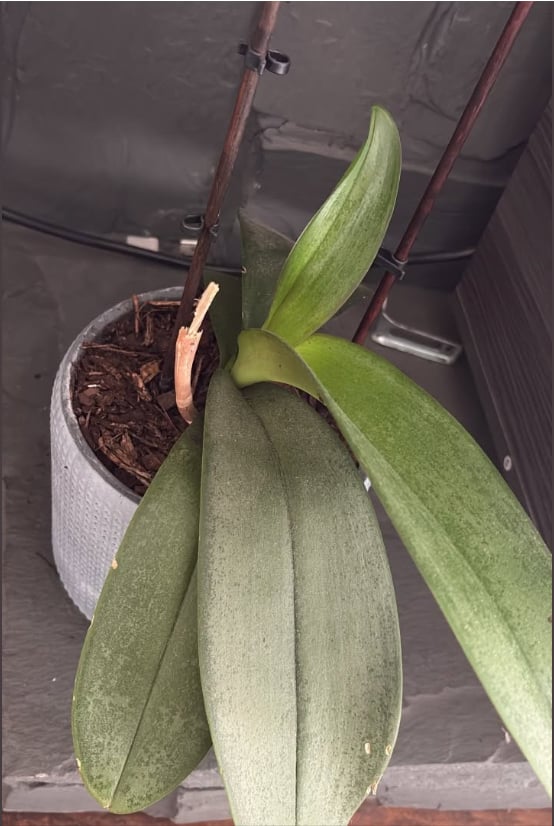
moth orchid (Phalaenopsis)
Why hasn’t my orchid flowered again for a year?
This moth orchid looks healthy enough but likely isn’t getting the right mix of bright light, feeding, and a slight temperature drop that triggers new flower spikes. Improve light, start regular orchid fertilizer, and give it a cooler, brighter spot for a few weeks to encourage blooming.
How do I know when my plants need watering?
Most plants should be watered when the top layer of soil has dried out, not on a fixed schedule. Check the soil with your finger, lift the pot to feel the weight, and watch the leaves for early signs of thirst like slight drooping or dullness.
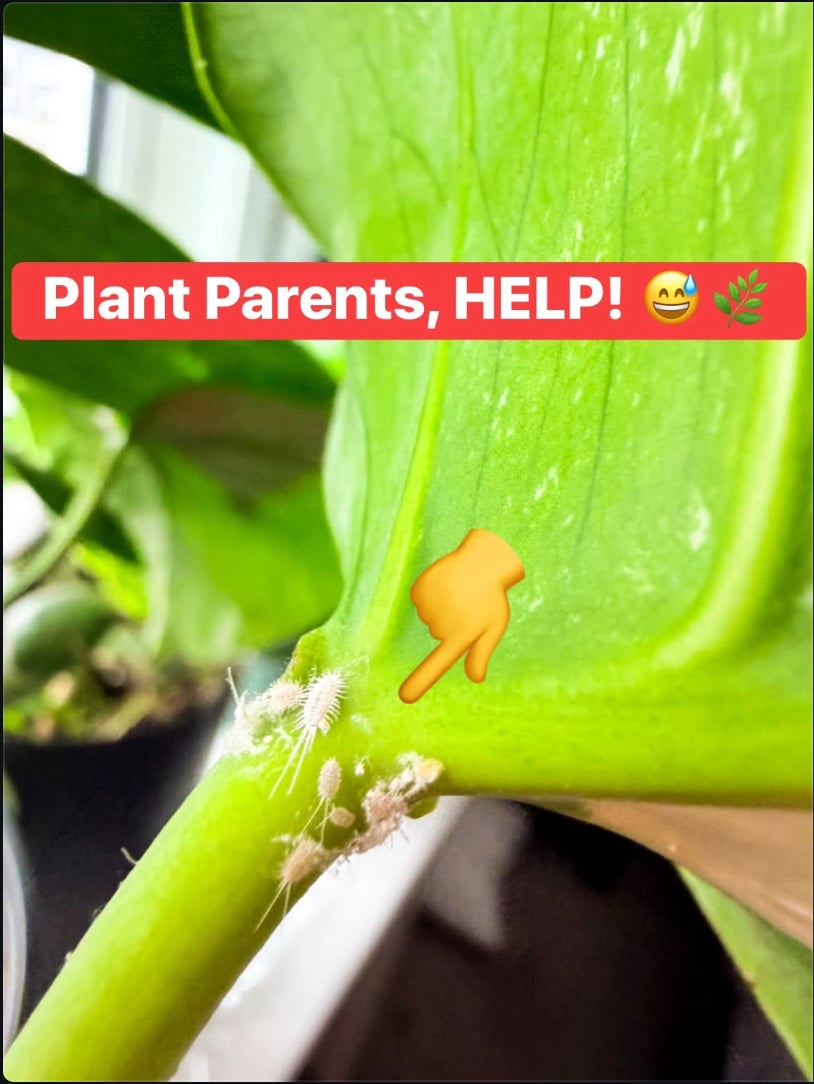
Are these white insects on my plant mealybugs and how do I get rid of them?
Those fluffy white insects in the leaf joint are mealybugs. Isolate the plant, wipe them off with cotton dipped in diluted rubbing alcohol, and repeat weekly, adding insecticidal soap or neem oil if they keep coming back.
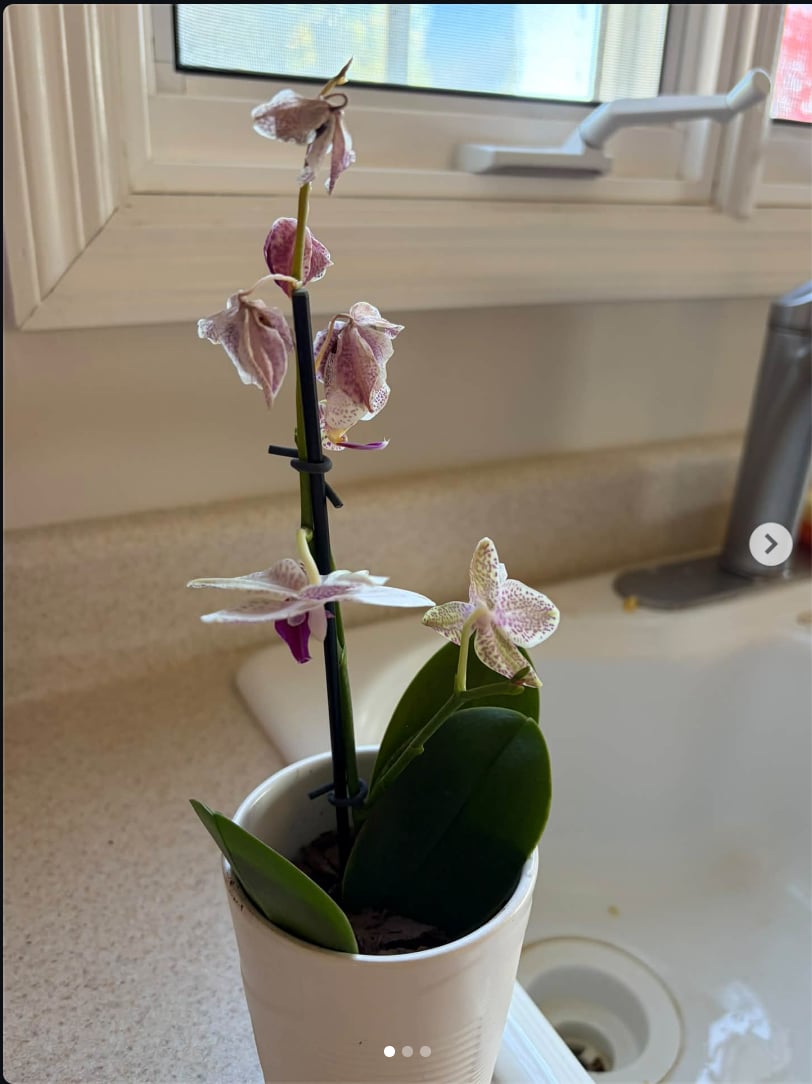
orchid, basil, croton
Can these orchid, basil, and croton plants be saved?
Yes, the orchid and croton are probably salvageable, but the herb in the black pot looks too dried out to recover. Check each plant’s stems and roots for green, firm tissue, trim off dead parts, repot if needed, and adjust light and watering so they can regrow.
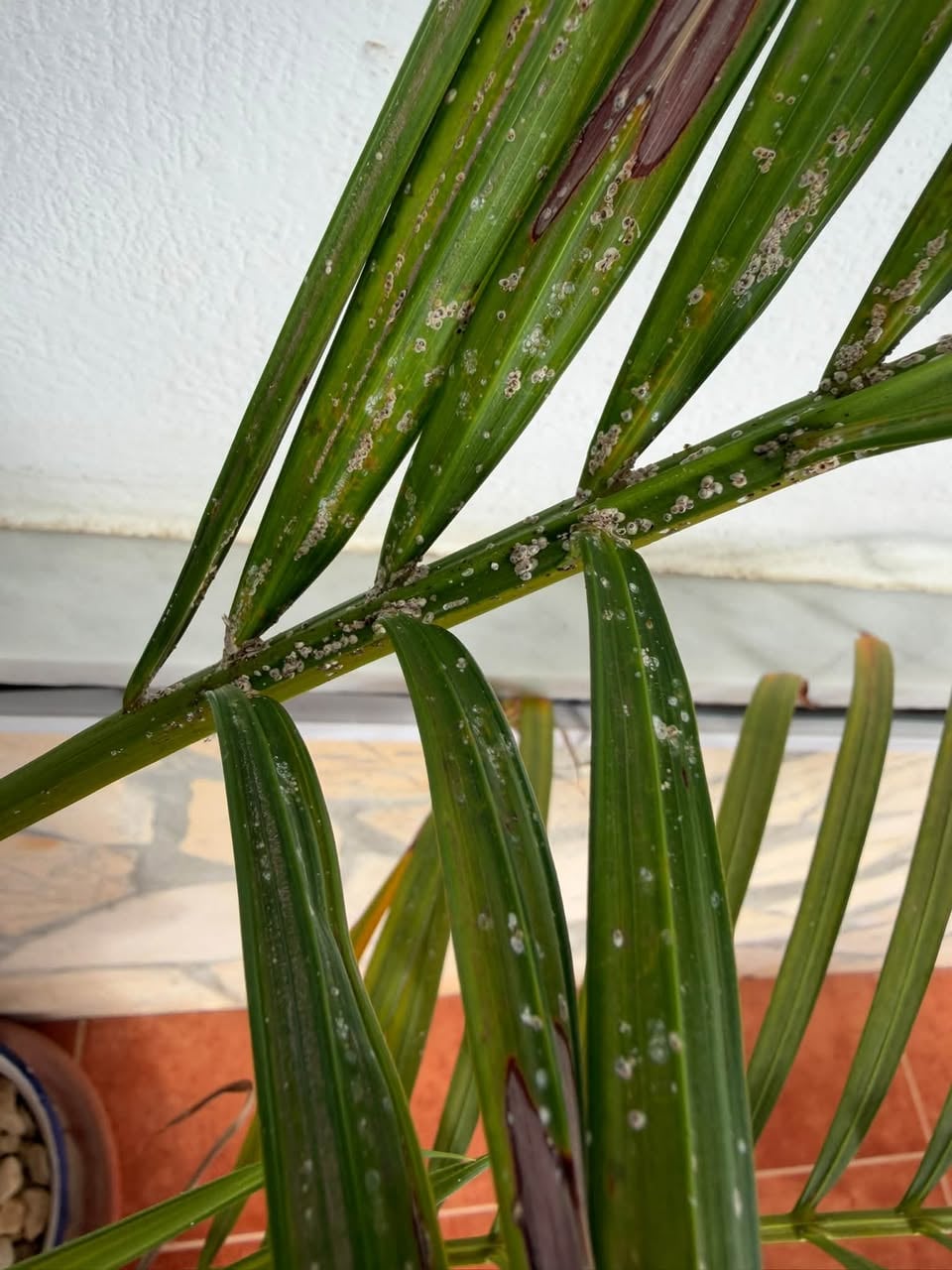
palm (likely an areca or similar)
What are the white bumps on my palm leaves and how do I treat them?
The plant is heavily infested with scale insects, which are sucking sap and weakening it. Start by physically wiping/scraping them off and then use repeated treatments with soapy water or horticultural oil until no new bumps appear.
succulent
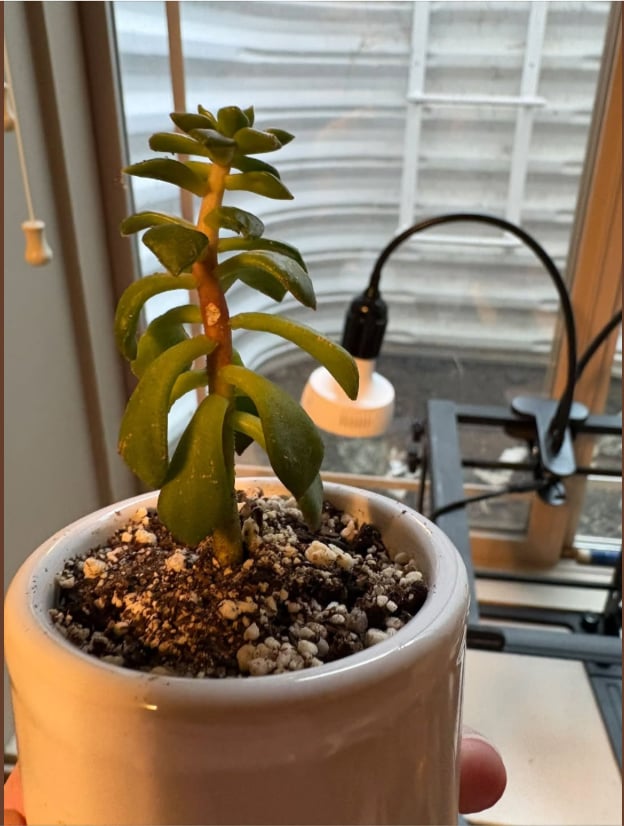
Is the red color on my succulent stem a sign of root rot?
That reddish stem alone doesn’t look like root rot; many succulents get red tones from light or age. Check the roots and the base of the stem for mushy, dark, smelly tissue and make sure the pot drains well to be safe.
What should I do when my plant leaves get brown spots?
Brown spots usually come from either watering issues, sunburn, pests, or a fungal disease. First, check the pattern of the spots, how you water, and look closely for insects, then remove the worst leaves and adjust care.
How often should I fertilize plants grown in pots, and what should I use?
Potted plants usually need light, regular feeding because nutrients wash out faster than in the ground. Start with a balanced, water‑soluble or slow‑release fertilizer at half strength every 2–4 weeks in the growing season, and always follow the label.
How often should I water my houseplants?
There’s no one right schedule for all plants. Instead of watering once a week by habit, check the soil and water only when the top layer has dried to the level your specific plant prefers.
Alocasia (African mask/Polly type)
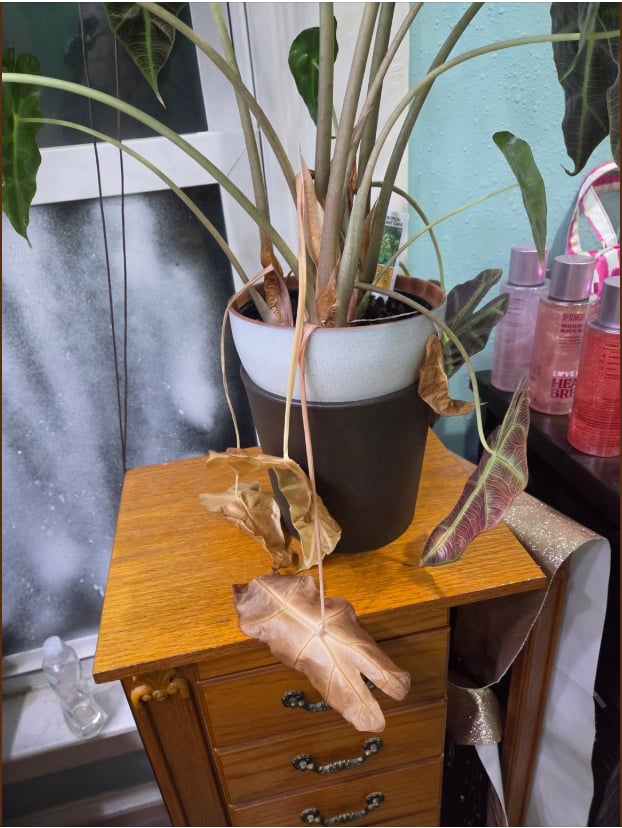
Why are the leaves on my Alocasia always drying up even though soil stays wet?
The soil staying constantly wet is likely causing root rot, so the plant can’t take up water and the leaves dry and die. Let the soil dry out between waterings, check for drainage holes, and repot into a well‑draining mix if the roots look mushy or black.
peace lily
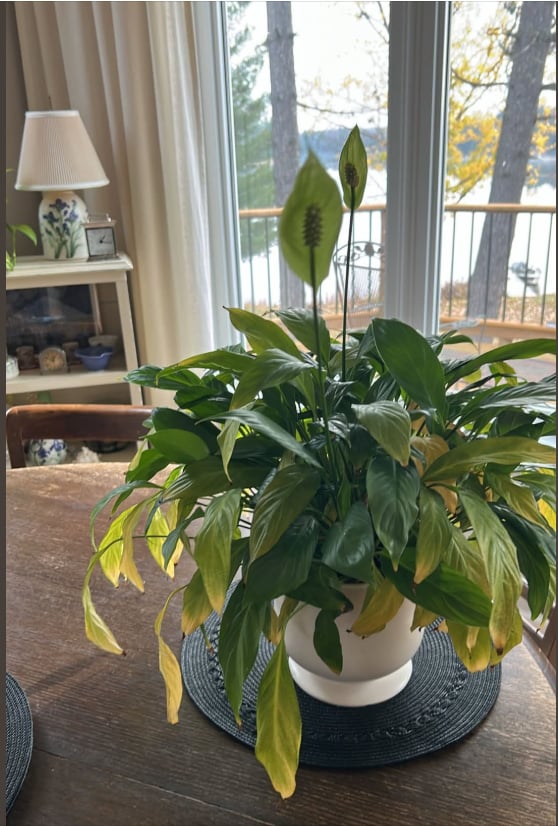
Why are the leaves on my peace lily turning yellow?
This is a peace lily, and the yellow, droopy lower leaves are usually from watering problems—most often the roots staying too wet in a pot with poor drainage. Check for a drainage hole, let excess water run out, trim the worst leaves, and adjust watering so the top of the soil dries slightly between waterings.
ZZ plant
How often should I water my ZZ plant in warmer months?
In warm months, most ZZ plants need watering about every 2–3 weeks, but always check the soil—only water when the top half of the pot is completely dry.
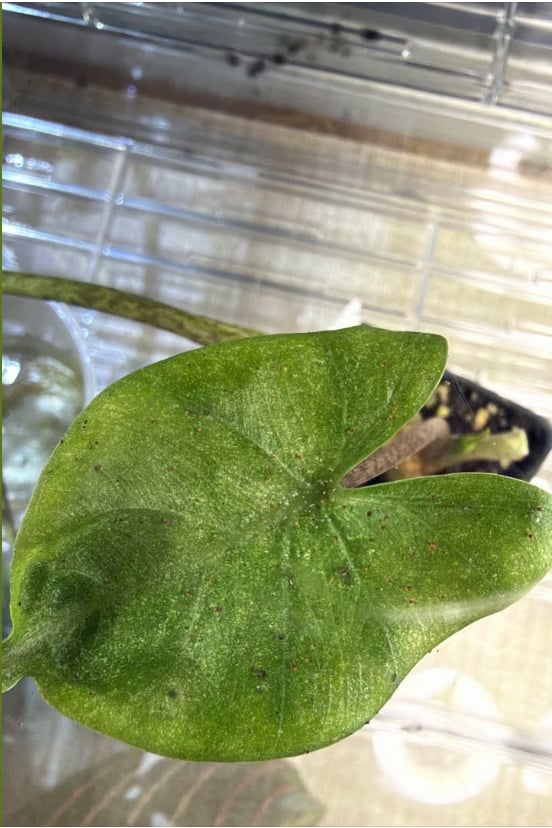
What are the tiny red-brown specks on my new plant leaves?
Those tiny red‑brown specks and the dusty, faded look on the leaf are very likely spider mites. Keep the plant in quarantine, check the undersides of leaves with a magnifying glass, and start treating with a gentle wash and repeated insecticidal soap or neem spray.
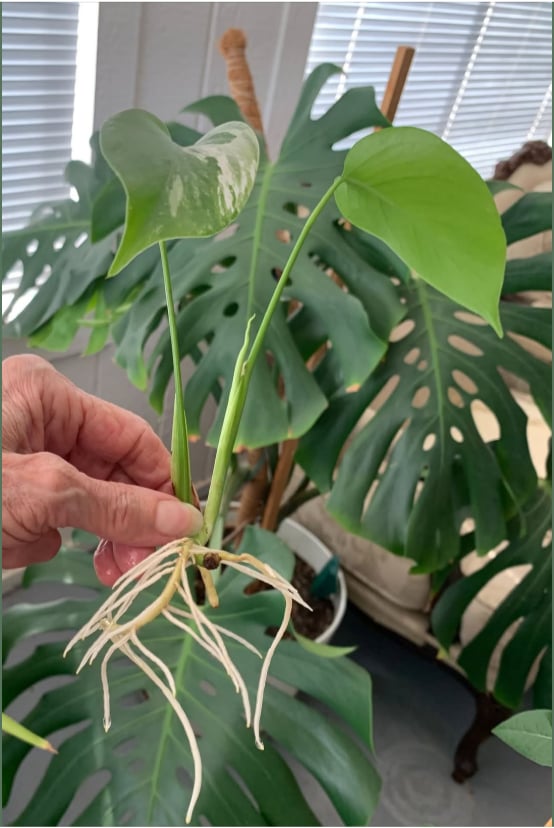
monstera
When should I move my rooted Monstera cutting from water to soil?
Those roots look ready for soil now. Pot it up in a chunky, lightly moist mix and keep it evenly barely-damp while it adjusts.
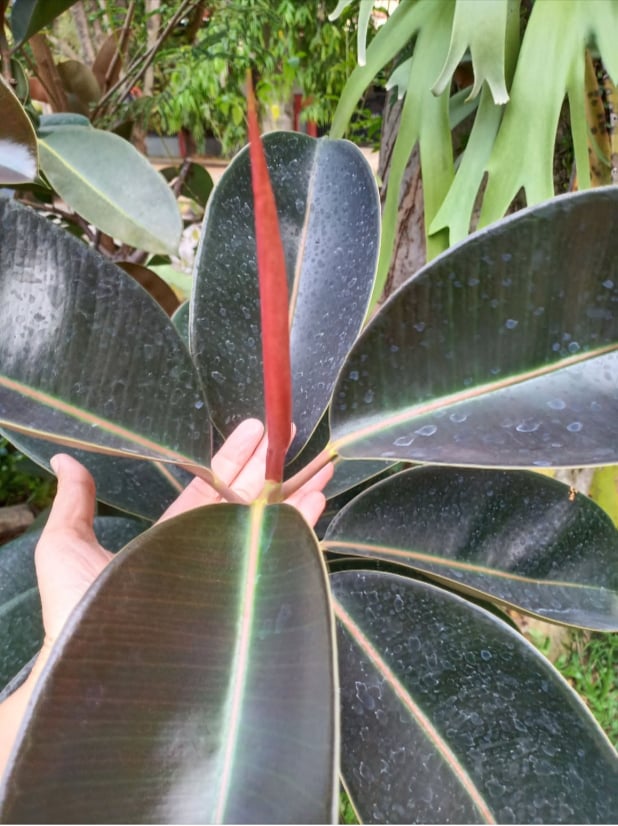
rubber plant
What plant is this with thick dark leaves and a red central spike?
This is a Rubber Plant (Ficus elastica), likely a dark or ‘Burgundy’ type. The red “pencil-like flower” in the middle isn’t a flower at all, but the sheath of a new leaf that will soon unfurl.
What are the best basic tips for a beginner plant owner?
Start by choosing easy plants, matching them to your light, and learning when to water from the soil—not the calendar. Keep things simple: good light, proper watering, and a pot with drainage will prevent most beginner problems.
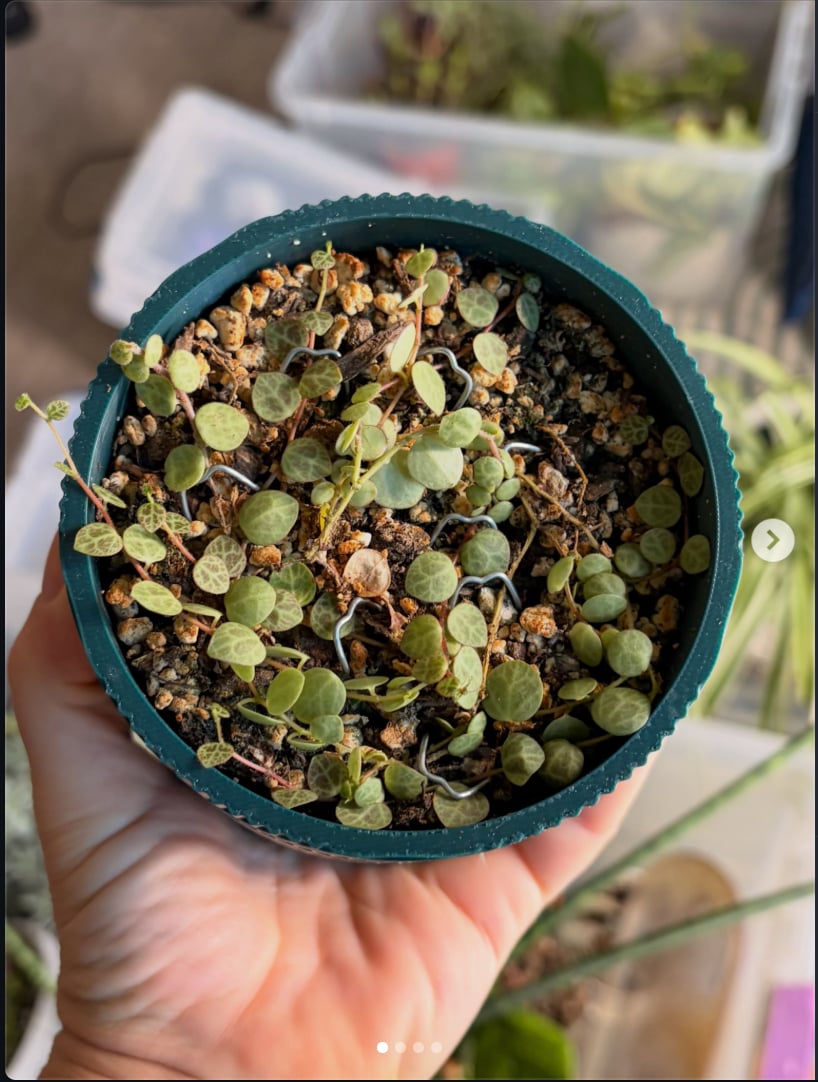
string of turtles
Why is my string of turtles not growing under a grow light?
String of turtles usually grow more slowly than string of hearts and also like a bit more consistent moisture. In the photo the plant looks healthy but very newly rooted in a very gritty mix, so let it establish, keep it just slightly more moist, and give it bright but gentler light than the string of hearts.
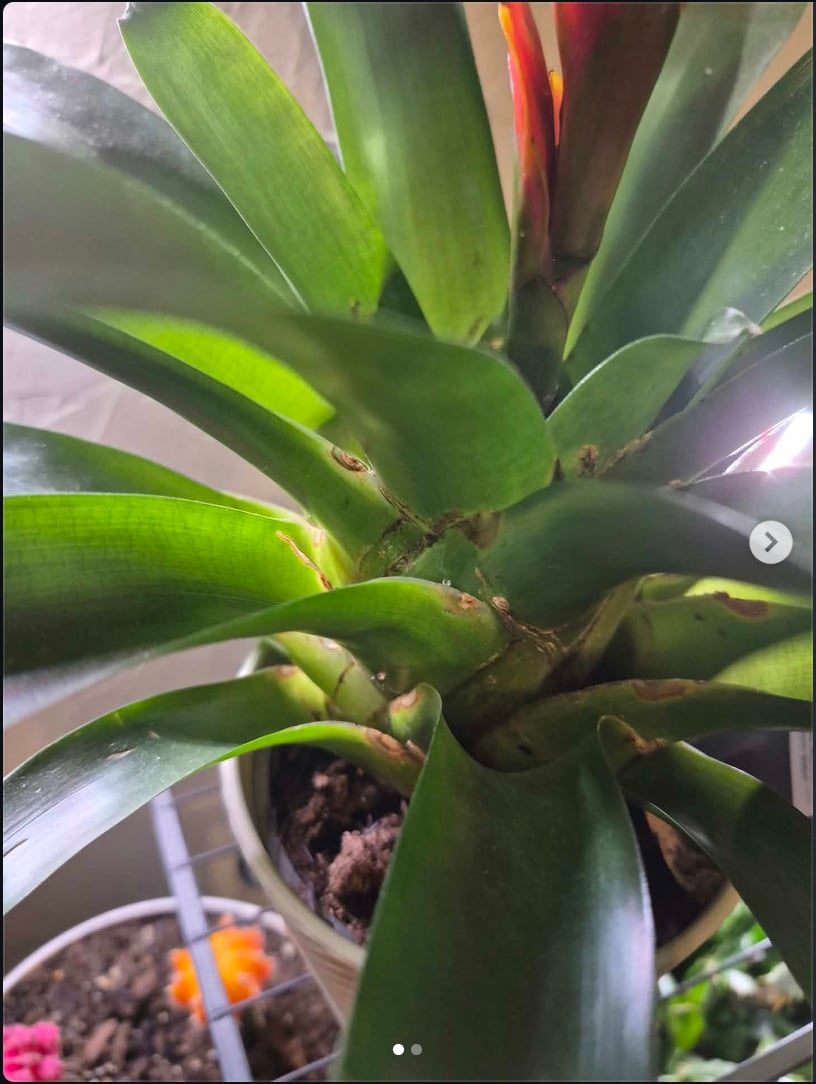
bromeliad
Why does my bromeliad have sudden yellow dead spots on the leaves?
Those yellow, dead patches on the bromeliad’s leaves are most likely sun or light burn, or old mechanical damage that’s now drying out—not a fast-spreading disease. Move the plant a little farther from strong lights or hot sun, keep the central cup just moist (not the potting mix soggy), and trim off only the worst damaged areas.
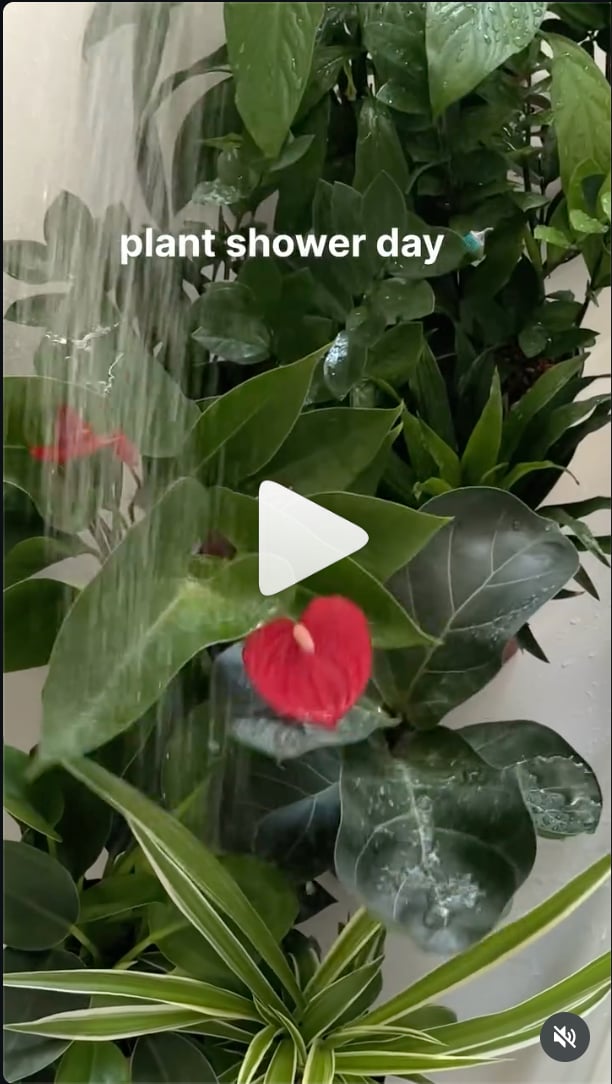
How often should I shower my houseplants?
Most leafy houseplants enjoy a gentle shower every 4–8 weeks to rinse dust and pests, as long as the soil can drain well and the leaves dry quickly. Avoid frequent showers for succulents, cacti, and very fuzzy‑leaved plants.
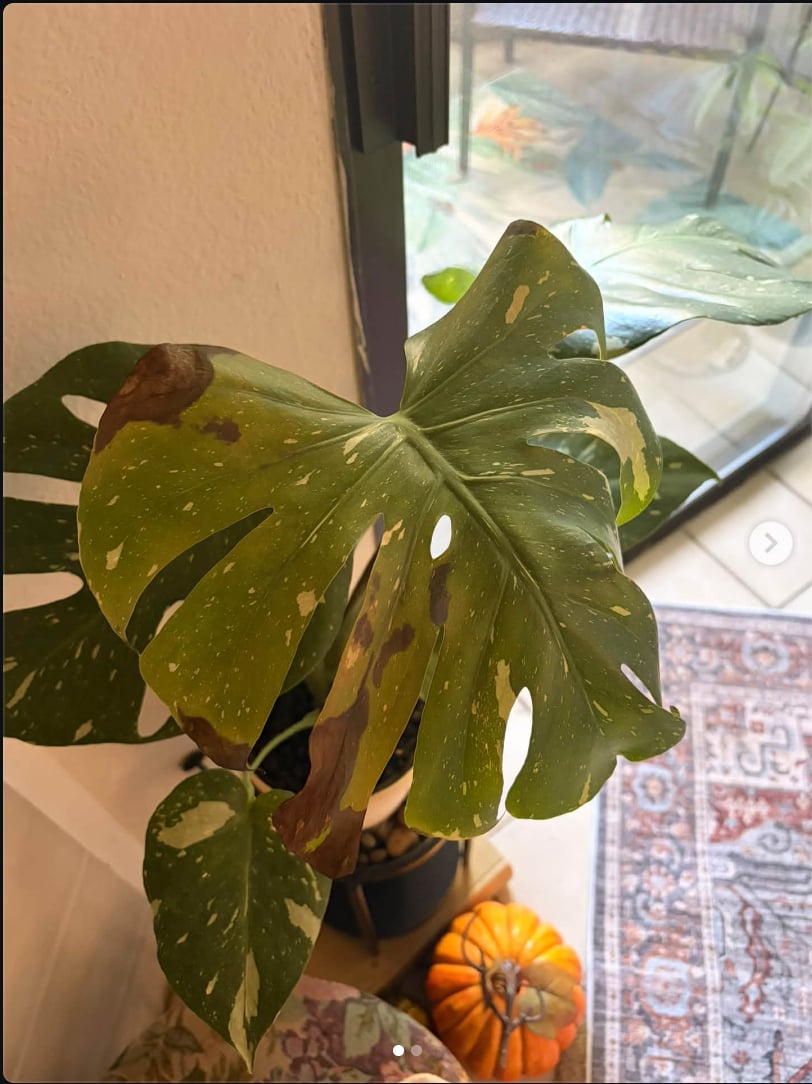
monstera
Should I trim burned leaves on my Monstera and when should I repot it?
Those brown, crispy patches are old sunburn and won’t heal, but you don’t have to rush to cut them off—only trim if they really bother you or if a leaf is mostly damaged. Repot once you see roots circling the pot or poking from the drainage holes, ideally in the growing season (spring–summer).
Can I leave my houseplants without water for 10 days while on vacation?
Some plants can handle 10 days without water, others will suffer or die. It depends mainly on the type of plant, pot size, and how hot and sunny the space is. If in doubt, set up a simple self‑watering method or ask someone to water once during your trip.
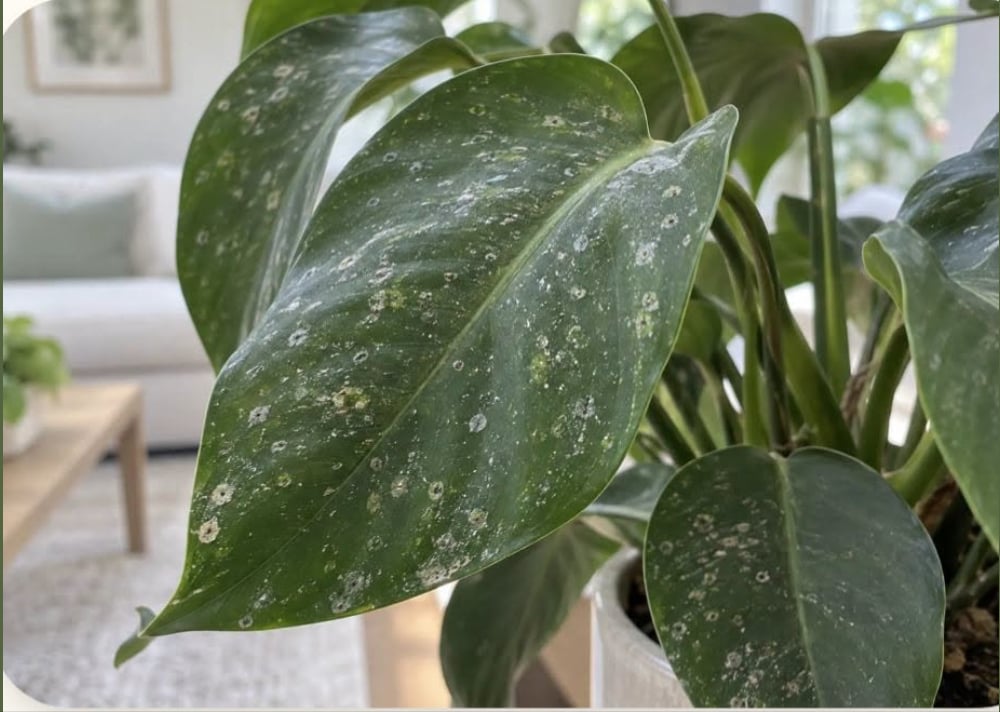
philodendron
What are the white spots on my philodendron leaves and how do I fix them?
Those white speckles are most likely residue or old leaf damage, not a new disease. Try wiping a leaf to see if it comes off; clean the leaves, remove badly marked ones, and adjust watering and misting so it doesn’t keep happening.
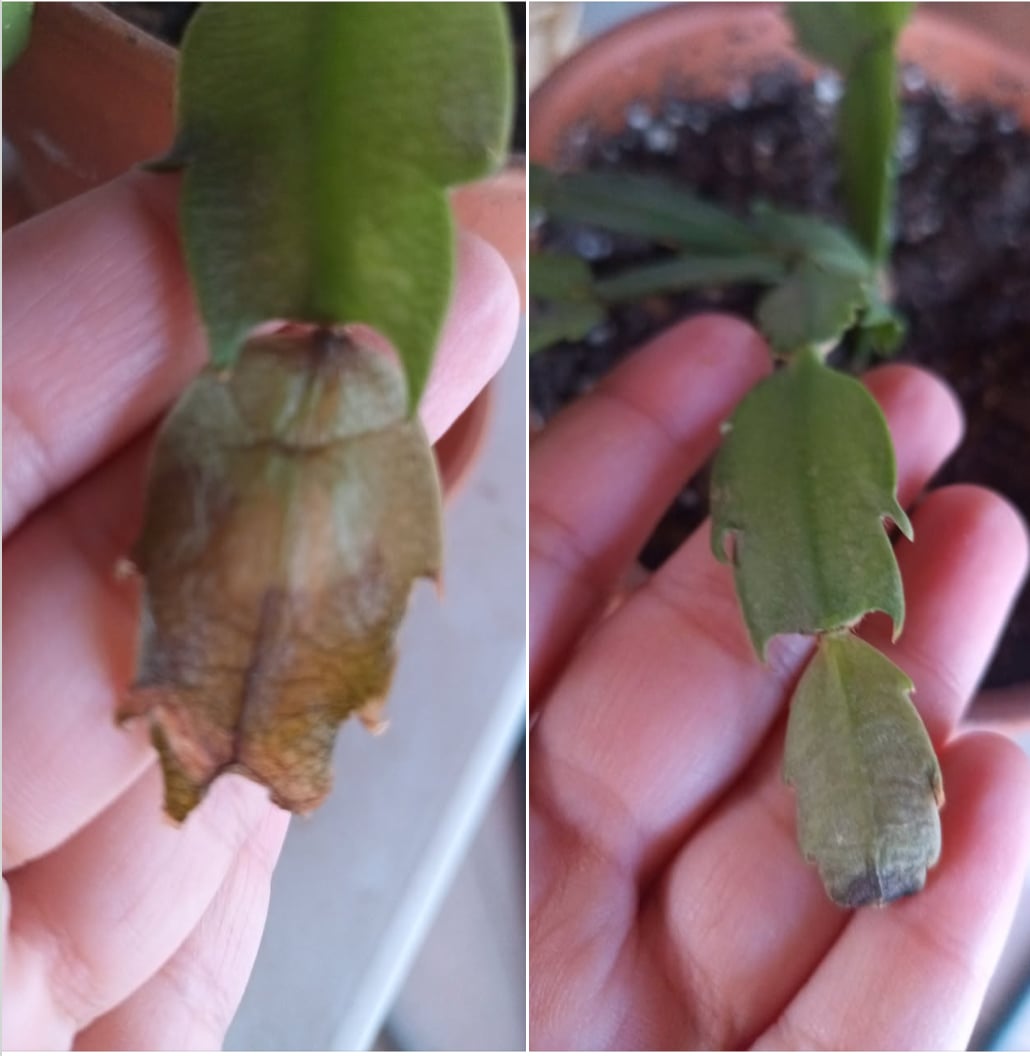
Christmas cactus
Why are the segment tips on my Christmas cactus cutting turning brown?
The brown, shriveling tips are most likely rot from staying too wet while the cutting is still weakly rooted, sometimes combined with strong sun. Check the roots, cut back to healthy tissue, and re-root the best pieces in a very well‑draining mix, watering only when the top dries.
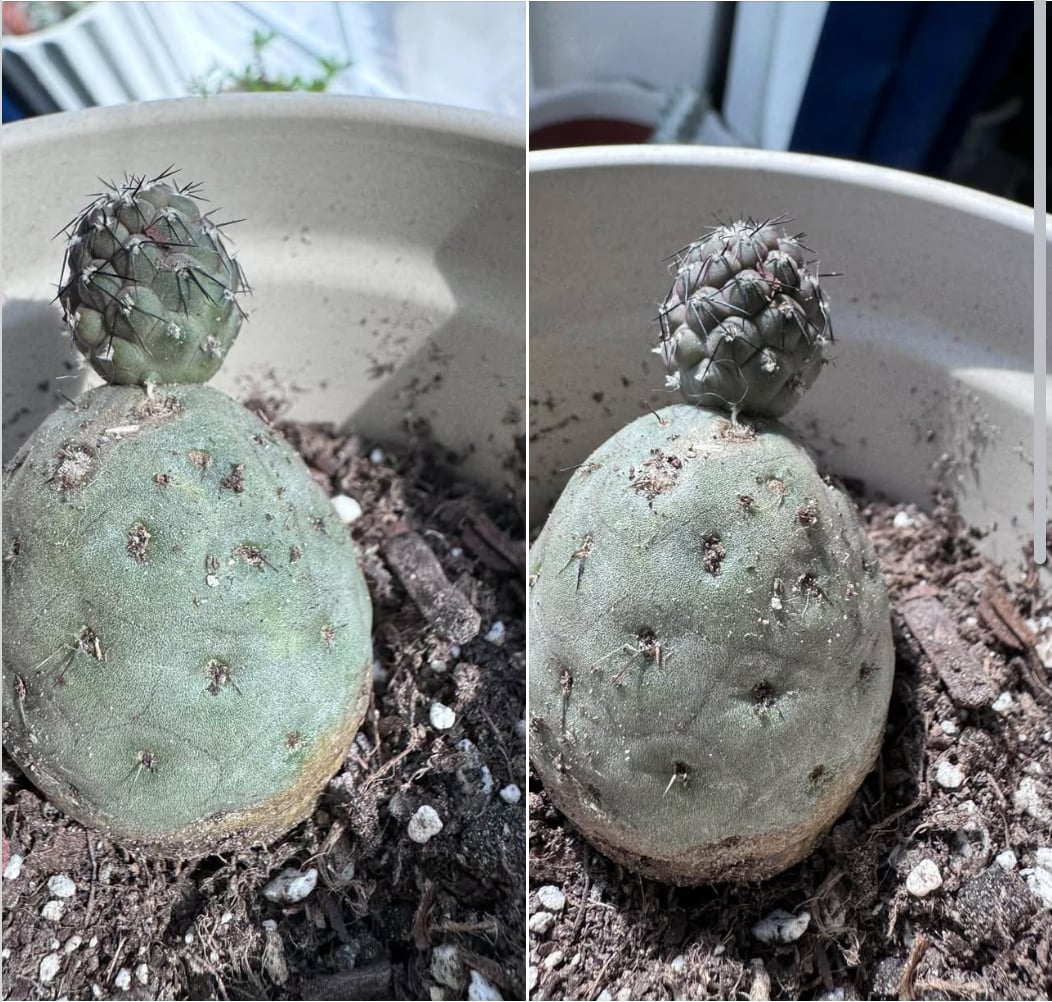
cactus
Is the yellow base on my grafted cactus root rot?
From the photo it looks more like corking (a firm, woody, aged area) than classic soft root rot, but you need to feel it to be sure. Gently press the yellow band: if it’s hard and dry it’s normal corking; if it’s soft or mushy, unpot it and cut away rot.
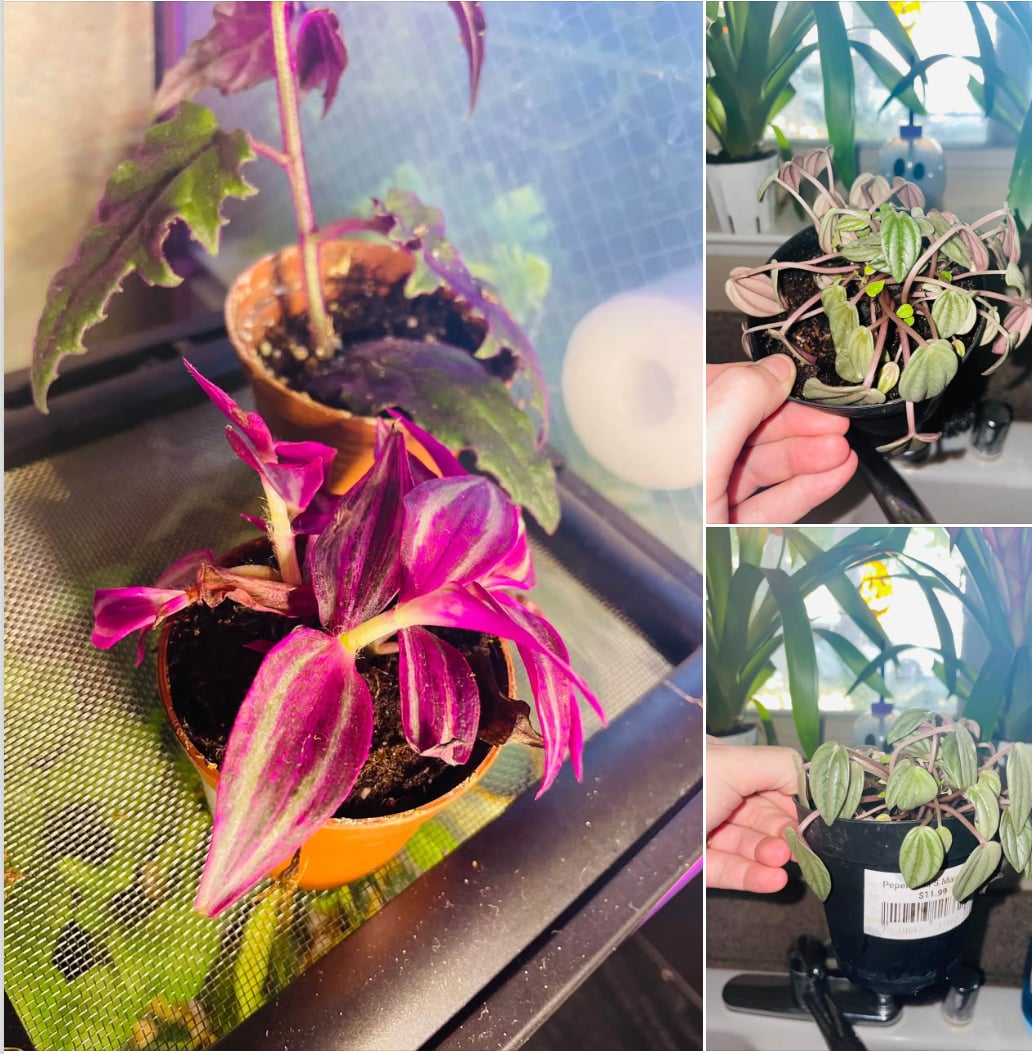
purple tradescantia and trailing peperomia
Why are my new purple Tradescantia and trailing peperomia wilting?
Both plants look stressed from the move home plus either too much water and/or too-strong light. Check the roots, repot into a free‑draining mix, give bright but indirect light, and only water when the top of the soil has dried.
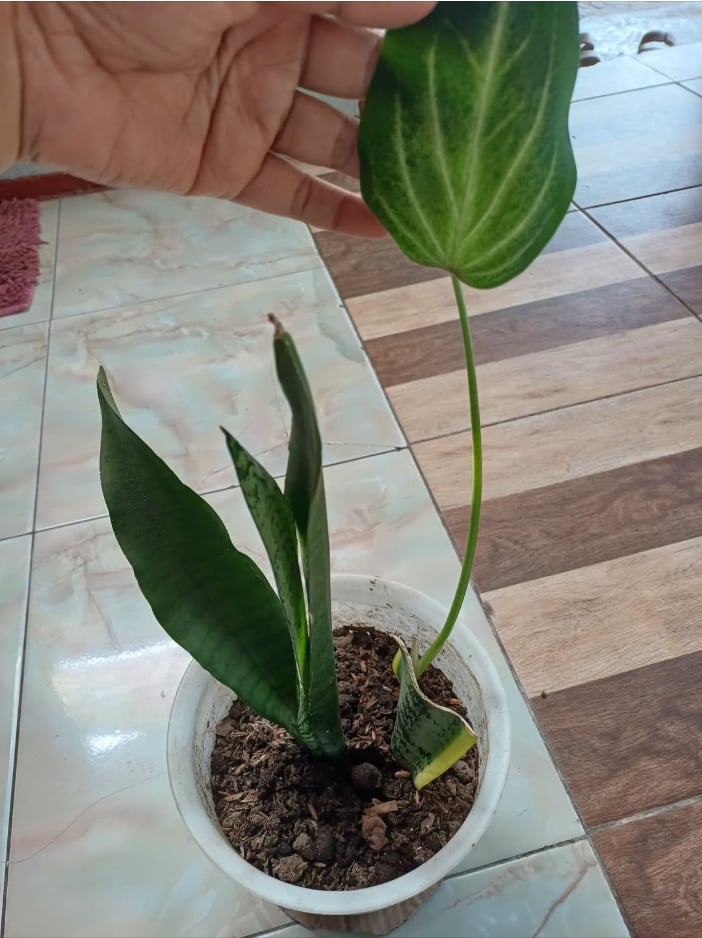
snake plant
Why did a different plant sprout in my snake plant pot?
That extra plant is a “volunteer” that came from a bit of root, bulb, or seed in the potting mix, not from the snake plant. You can gently separate it into its own pot, or pull it out if you don’t want it.
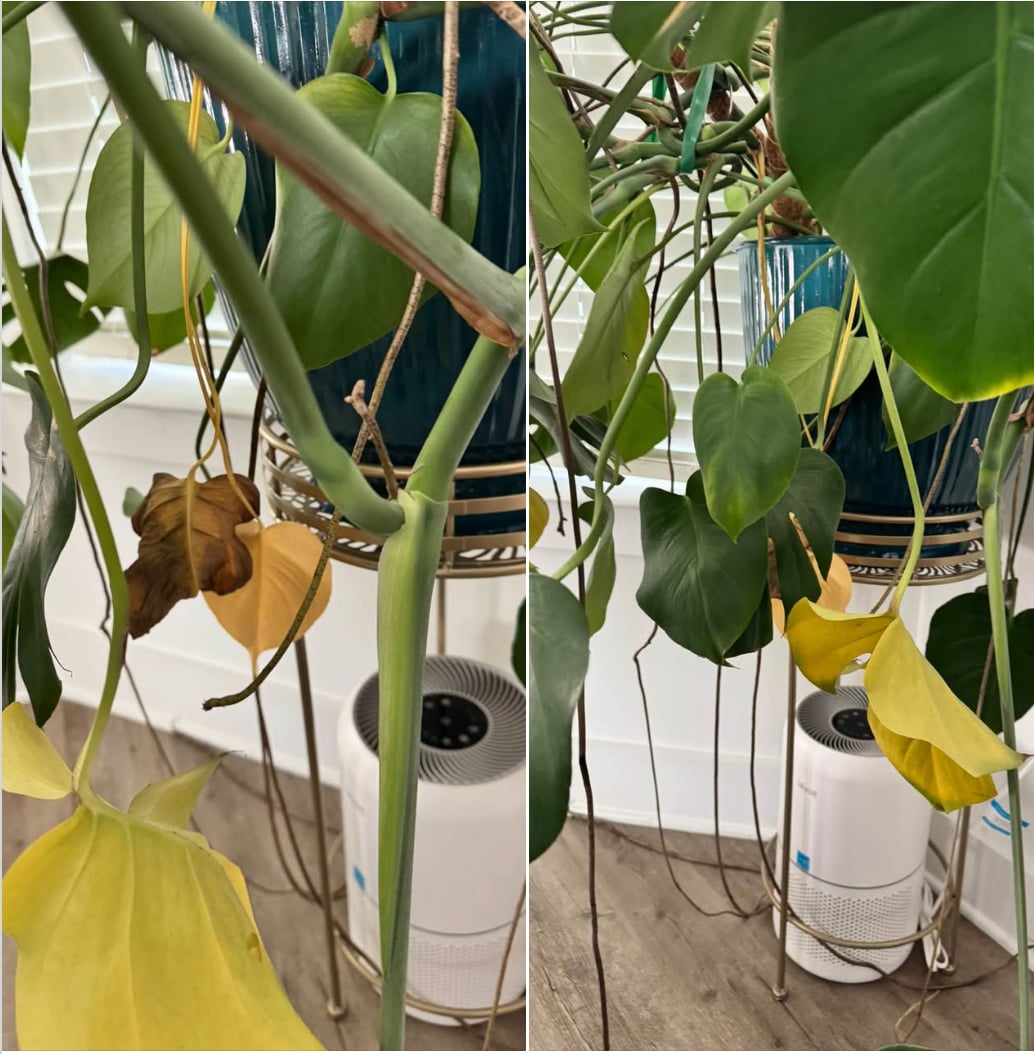
heartleaf philodendron
Why are the leaves on my heartleaf philodendron turning yellow and brown?
Those yellowing leaves are usually from watering issues plus normal aging of the oldest leaves. Check the soil and drainage, adjust your watering schedule, and remove the already-yellow leaves.
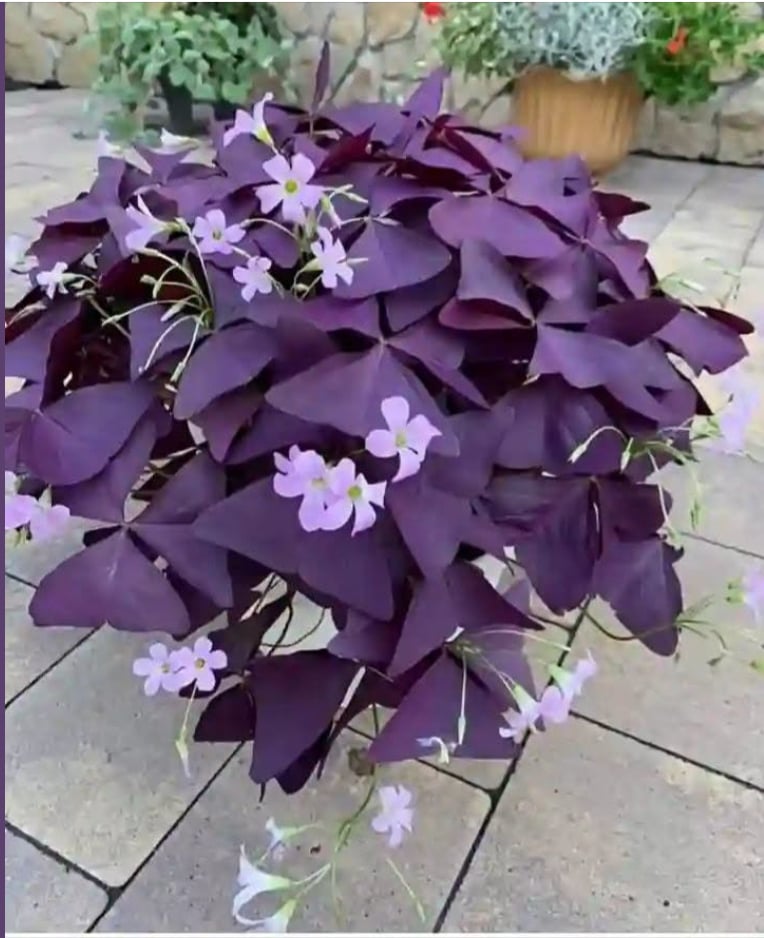
purple shamrock (Oxalis triangularis)
What is this purple plant with triangle leaves and pink flowers?
This is a Purple Shamrock (Oxalis triangularis), also called False Shamrock. It’s a bulb-like houseplant with purple, triangular leaves and pale pink flowers that does best in bright, indirect light and lightly moist soil.
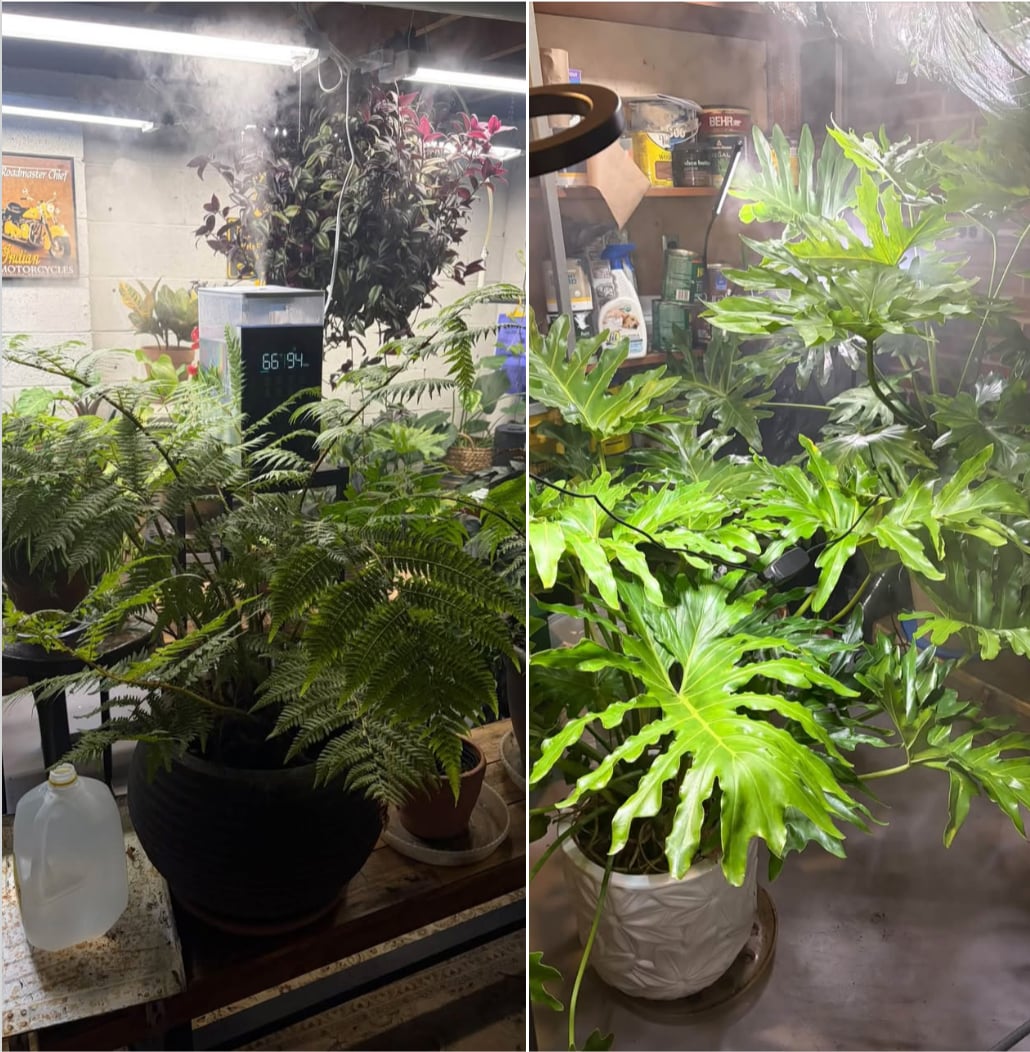
How often should I water basement houseplants under grow lights?
In a basement with strong grow lights and 24‑hour humidifiers, water only when the top 2–5 cm (1–2 inches) of soil are dry, then water thoroughly until it drains out the bottom. Don’t water on a schedule—let the soil dryness, pot size, and plant type guide you, and consider running the humidifier less so the soil can dry between waterings.
How often should I water my plants in winter?
Most plants need much less water in winter—often about half as often as in summer. Check the soil with your finger and only water when the top layer feels dry, instead of following a fixed schedule.
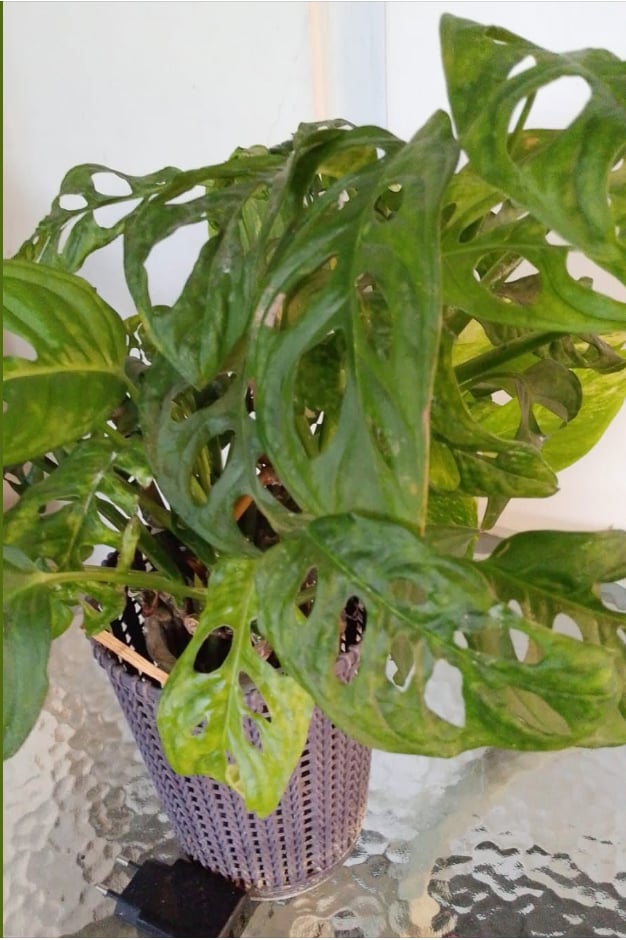
Monstera adansonii
How do I care for my Monstera adansonii (Swiss cheese plant) with holey leaves?
This is a Monstera adansonii, and the holes are normal for this plant, not damage. Give it bright, indirect light, water when the top soil dries, and provide a loose, well‑draining mix so it keeps making healthy, holey leaves instead of yellow, torn ones.
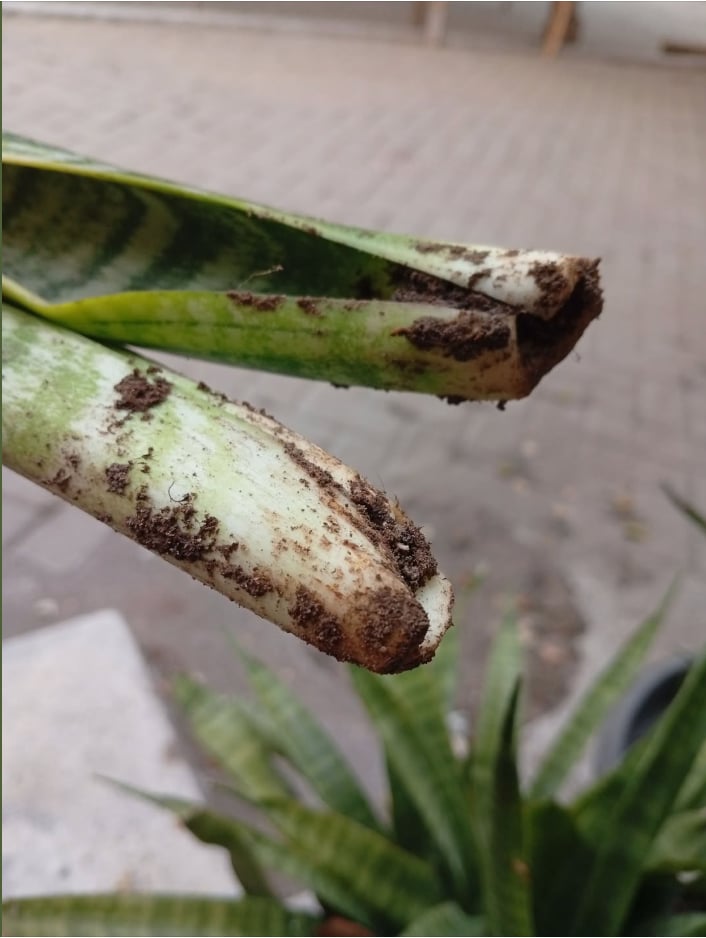
snake plant
How do I root a snake plant leaf cutting without roots?
This is a snake plant leaf cutting. It can root, but it needs a clean cut, time to dry (callus), very well‑draining soil, and light watering. Roots usually take 4–8 weeks or more, not just one week.
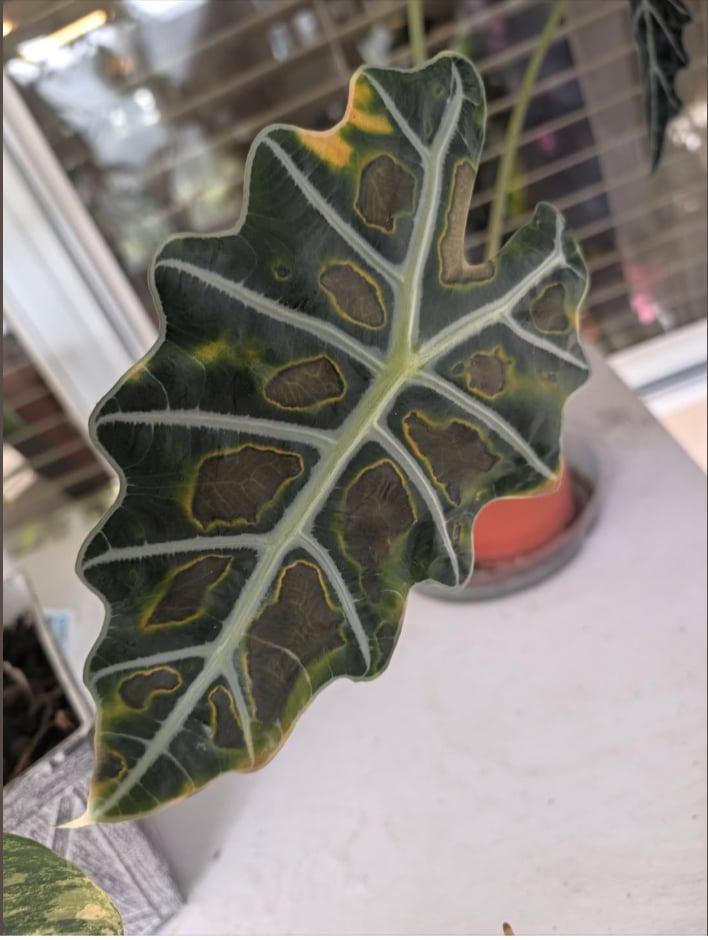
Alocasia (African mask / Alocasia x amazonica)
Why are my Alocasia (African mask) leaves getting yellow and brown patches?
Those yellow and brown patches are usually from stress to the roots and leaf tissue, most often from inconsistent or heavy watering plus strong light or low humidity. Check the roots and soil moisture, adjust watering, and move the plant to bright filtered light with higher humidity.
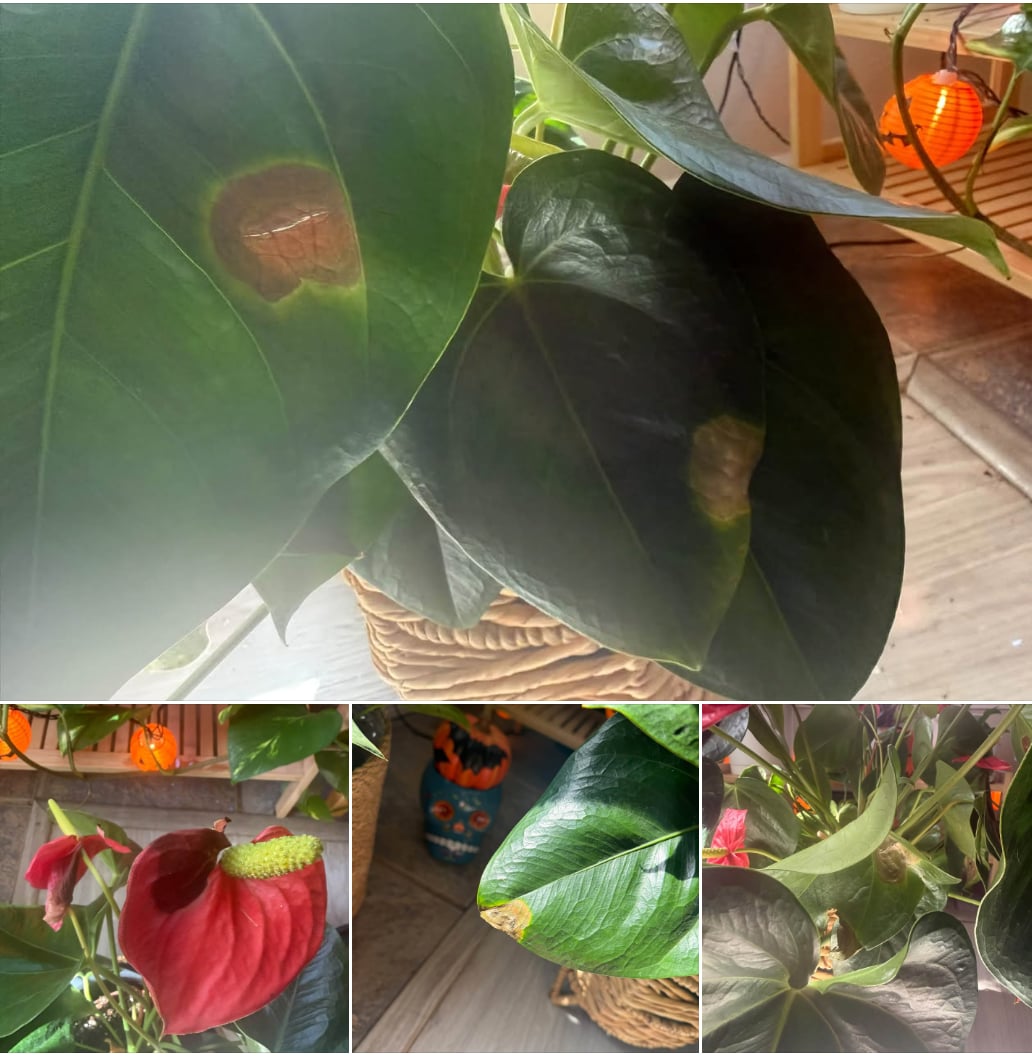
anthurium (flamingo flower)
Why does my anthurium have brown spots on the leaves?
Those brown spots with yellowish halos are most likely leaf burn or a leaf-spot infection starting on your anthurium. Remove the worst leaves, improve air flow, and keep water off the leaves; if new spots keep appearing, treat it as a fungal/bacterial leaf spot problem.
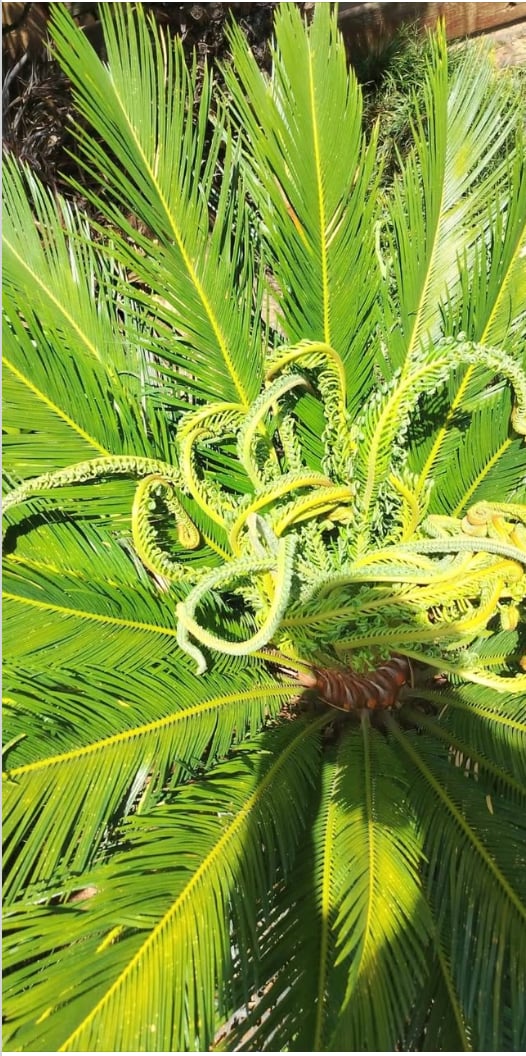
sago palm
Why are the new leaves on my sago palm so curly?
Those curly, soft fronds are just new growth on a sago palm. They naturally emerge tightly coiled and will slowly straighten and stiffen over a few weeks if the plant is healthy.
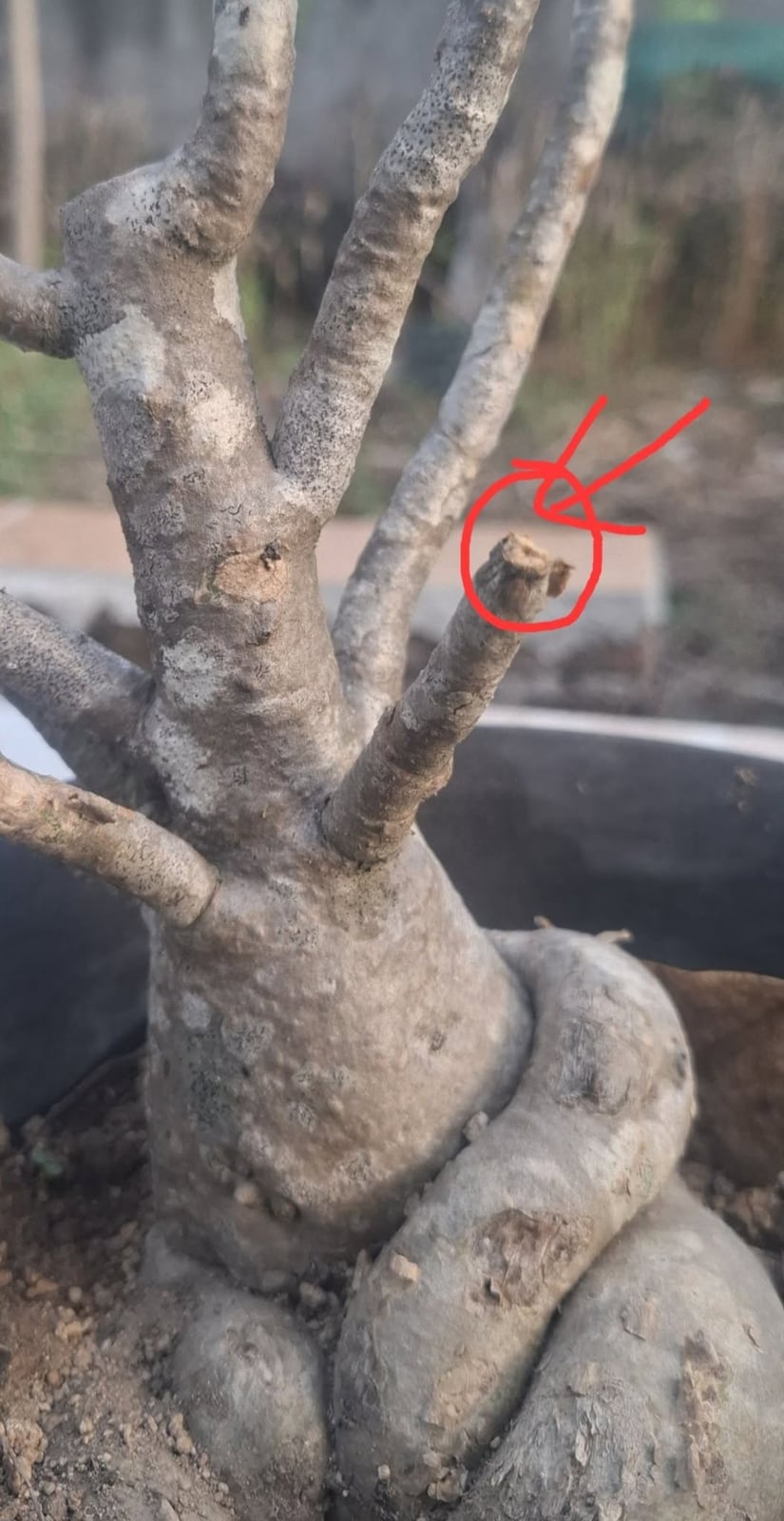
desert rose
Will a cut stem on my desert rose grow new branches again?
Yes, that cut stem looks like it has simply dried and callused over, which is normal. New shoots are most likely to sprout from just below the cut or elsewhere on the stem once the plant is in active growth and is kept warm, bright, and not overwatered.
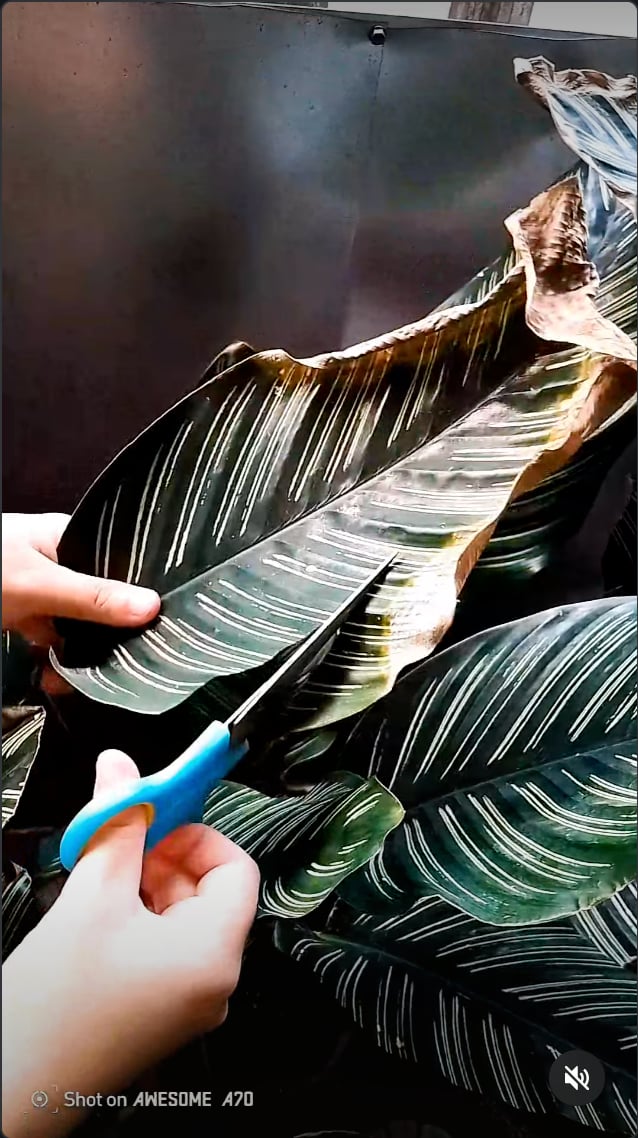
Calathea (pinstripe calathea)
Why are the edges of my Calathea (pinstripe) leaves drying out?
On Calatheas, crispy brown edges are almost always from dry air, underwatering, or tap water sensitivity. Check humidity and watering first, then adjust light and water quality.
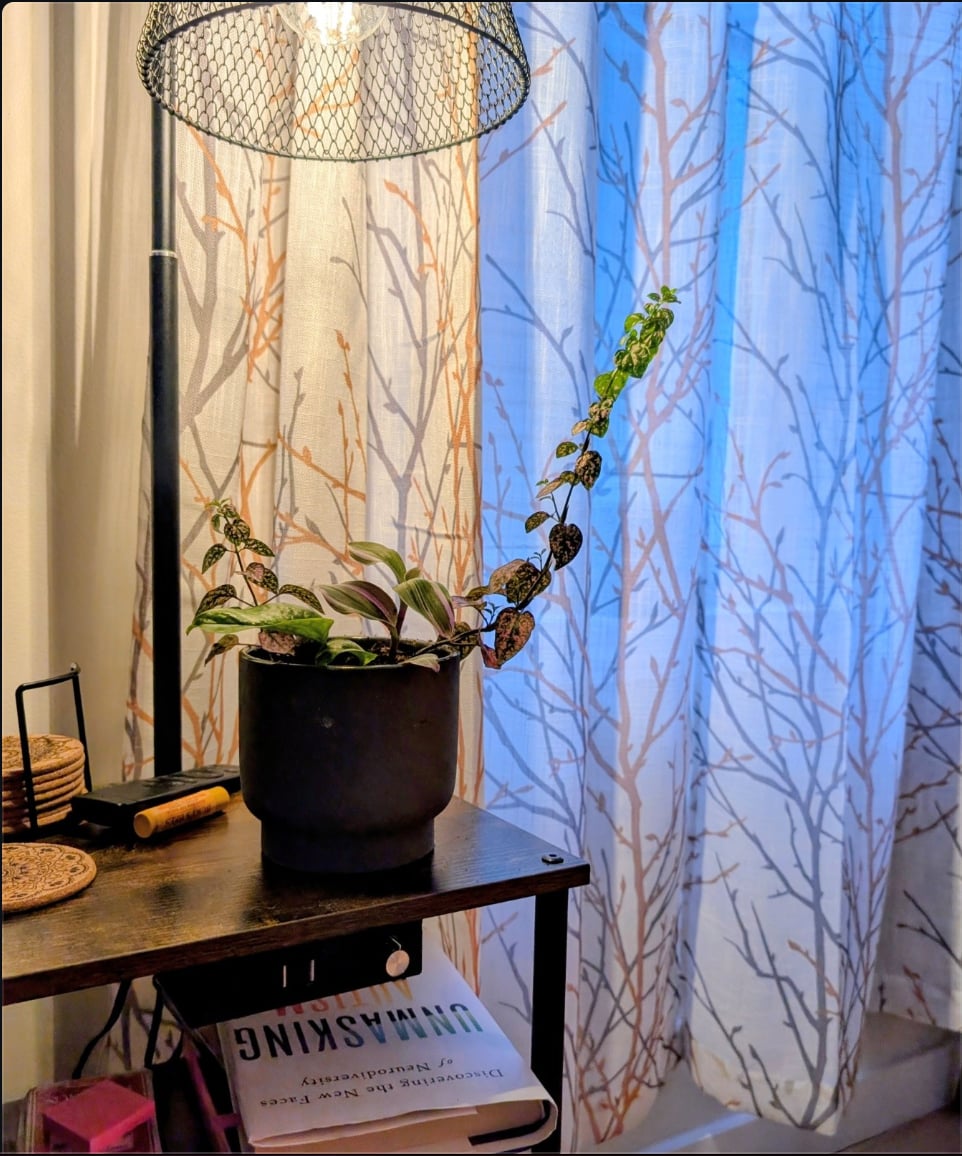
Is it normal for houseplants to move and change direction overnight?
Yes, many plants move their stems and leaves toward light or with day–night cycles. What you’re seeing is normal plant behavior, not your imagination.
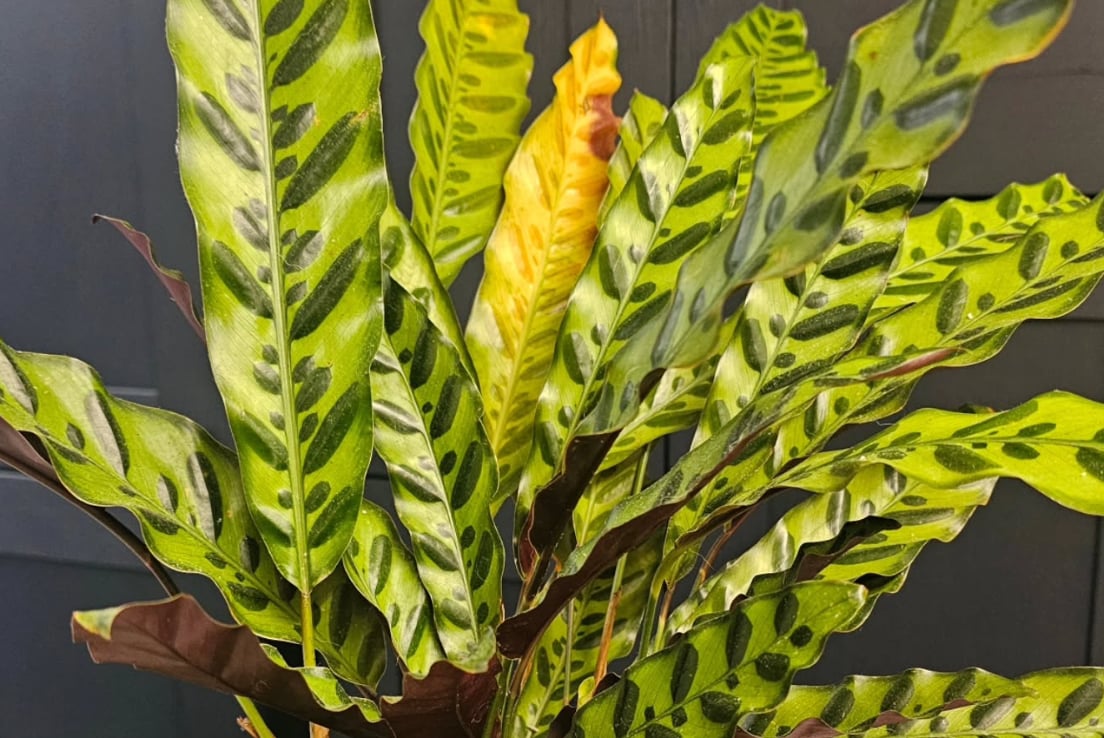
rattlesnake plant (Calathea lancifolia)
Why are some leaves on my rattlesnake plant turning yellow?
On a rattlesnake plant, a few yellowing leaves are usually from normal aging plus a bit of stress from inconsistent watering or dry air, not a sudden disease. Remove the worst leaves, check that the soil dries slightly between waterings but never stays soggy, and keep humidity on the higher side.
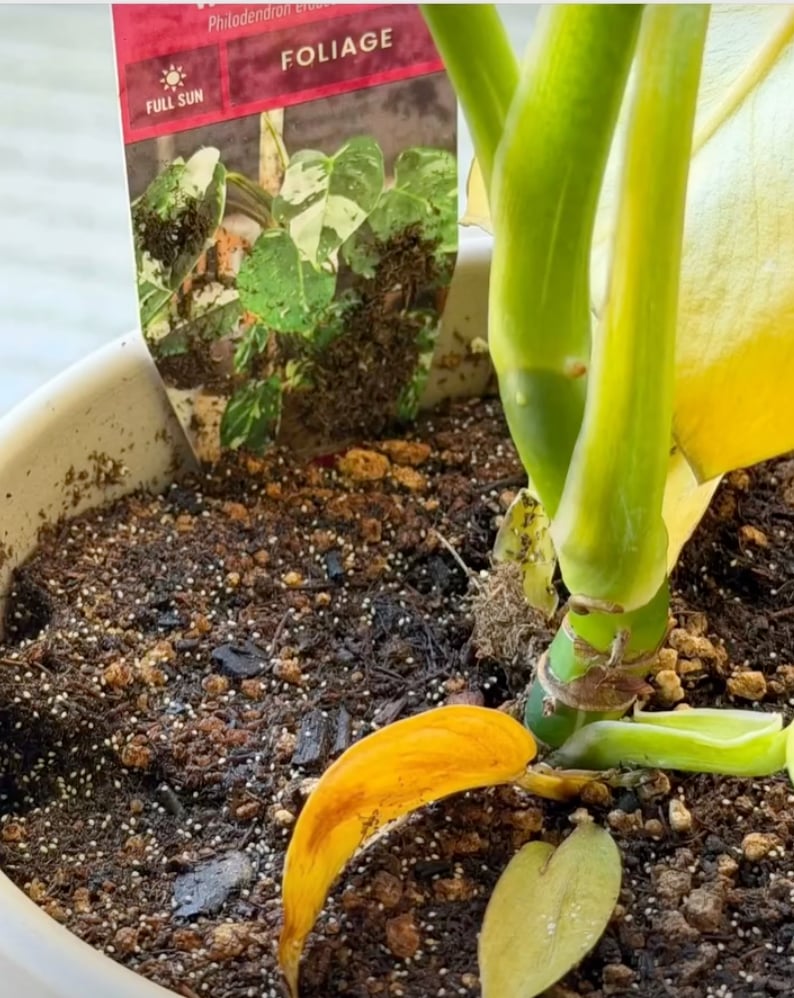
philodendron
What are the tiny bugs in my philodendron potting soil?
Those look like moisture‑loving soil pests such as fungus gnats (or possibly springtails). Let the top of the soil dry out, add yellow sticky traps, and consider repotting into fresh, well‑draining mix if they’re heavy.
Got a question about your own plant?
Snap a photo and ask GrowPls. It remembers each plant's history. Free on iPhone and Android.