
Asked on Instagram · 31 October 2026
Is it normal for houseplants to move and change direction overnight?
Yes, many plants move their stems and leaves toward light or with day–night cycles. What you’re seeing is normal plant behavior, not your imagination.
The question
“Am I losing it or did this plant just move overnight?! Yestersay it was pointing down, today it's pointing up. Is this normal plant behaviour? Cindy? Val? 🌱💀”
What's likely going on
Plants absolutely do move, even in a single night. Two common things are probably at work here:
Phototropism (growing toward light)
The long stem in the photo is reaching toward the lamp/window. Cells on the shaded side stretch more, so the stem slowly bends toward the brightest spot. When lights or curtains change (lamp on at night, daylight from the window in the morning), the direction of “best light” shifts, and the plant re-aims itself.Daily leaf and stem movements
Many plants slightly raise and lower their leaves or stems over a 24‑hour cycle. They adjust water pressure in their cells, so things can droop at one time of day and perk up at another, without any new growth. It can look dramatic if you only notice it morning vs. evening.
Nothing in the photo suggests disease or damage; it’s behaving like a healthy plant trying to optimize light.
What to do
- Mark the position. Put a small tape mark on the pot and another on the shelf so you know you’re not accidentally rotating or bumping it.
- Watch it for a few days. Take a photo from the same angle morning and evening. You’ll likely see a pattern of slow repositioning.
- Adjust light if needed. If the stems get very long and thin and always lean hard in one direction, move the pot closer to a bright window or give it more even light so it doesn’t have to stretch so far.
How to prevent it
You don’t really want to stop this—it’s natural—but you can reduce the “dramatic leaning” look:
- Rotate the pot a quarter turn every week so growth stays more balanced.
- Provide bright, indirect light from more than one direction where possible.
When to worry
- Stems become extremely long, floppy, and weak (classic sign of not enough light).
- Leaves are yellowing, browning, or falling off while it’s stretching toward light.
If you only notice that it “moves” without other stress signs, that’s just a normal, living plant doing its thing.
Answered by the GrowPls assistant. Every plant and room is different; if things don't improve, a clear close-up photo of the affected part is the fastest way to a better answer.
Related questions
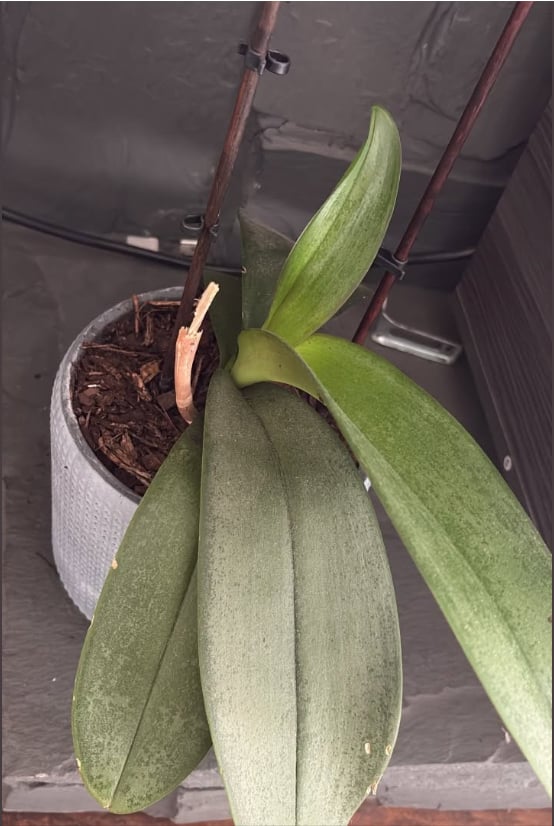
moth orchid (Phalaenopsis)
Why hasn’t my orchid flowered again for a year?
This moth orchid looks healthy enough but likely isn’t getting the right mix of bright light, feeding, and a slight temperature drop that triggers new flower spikes. Improve light, start regular orchid fertilizer, and give it a cooler, brighter spot for a few weeks to encourage blooming.
How do I know when my plants need watering?
Most plants should be watered when the top layer of soil has dried out, not on a fixed schedule. Check the soil with your finger, lift the pot to feel the weight, and watch the leaves for early signs of thirst like slight drooping or dullness.

fern (likely Boston fern)
How do I overwinter hanging ferns in a bright sunroom?
That sunroom spot should work well if the ferns get bright but not harsh direct sun and the air isn’t too hot or dry. Indoors, water whenever the top of the soil just starts to feel dry, which is often about once a week but depends on your room’s temperature and humidity.

Are these white insects on my plant mealybugs and how do I get rid of them?
Those fluffy white insects in the leaf joint are mealybugs. Isolate the plant, wipe them off with cotton dipped in diluted rubbing alcohol, and repeat weekly, adding insecticidal soap or neem oil if they keep coming back.