
cactus · Asked on Facebook · 2 November 2026
Is the yellow base on my grafted cactus root rot?
From the photo it looks more like corking (a firm, woody, aged area) than classic soft root rot, but you need to feel it to be sure. Gently press the yellow band: if it’s hard and dry it’s normal corking; if it’s soft or mushy, unpot it and cut away rot.
The question
“Is this bottom yellowish part root rot?”
What's likely going on
From the pictures, the yellowish band around the bottom of the cactus looks dry and even, not dark and collapsing. That appearance often matches corking – a normal aging process where the lower part of a cactus turns woody and tan/yellowish.
Root rot, on the other hand, usually makes the plant soft, mushy, and sometimes darker at the base, sometimes with a bad smell or the cactus leaning over.
Because photos can’t show texture, the real test is how it feels:
- Firm, dry, rough = corking (normal).
- Soft, squishy, cracked, or oozing = rot.
The soil in the pot looks quite organic and may stay wet for a long time, which can encourage rot over time, so it’s worth improving even if there’s no rot yet.
What to do
Do the squeeze test
Gently press the yellow area and the green body. If everything is firm, it’s likely just corking.If it’s soft or smells bad
- Take the plant out of the pot.
- Trim off any black, brown, or mushy roots or tissue with a clean knife until only healthy, pale tissue remains.
- Let the cut surfaces dry and callus in a shaded, airy spot for several days before replanting.
Refresh the potting mix
Use a very fast‑draining cactus mix: roughly half gritty material (pumice, coarse sand, small stones, or perlite) and half light soil/compost. Make sure the pot has a drainage hole.Adjust watering
Water only when the soil is completely dry all the way down, then water thoroughly and let excess drain. In cooler or low‑light conditions, water even less often.
How to prevent it
- Always use pots with drainage holes.
- Keep the cactus where it gets plenty of bright light to help it use water quickly.
- Avoid letting the pot sit in a saucer of water.
- In rainy or very humid seasons, cut back watering sharply.
When to worry
- The base turns darker brown/black and feels soft or hollow.
- The cactus starts to lean, wrinkle badly, or the top graft shrivels even though you’re not under‑watering.
- You notice a foul smell or wet, oozing spots.
If any of these show up, treat it as rot, unpot immediately, and try to save healthy pieces before it spreads.
Answered by the GrowPls assistant. Every plant and room is different; if things don't improve, a clear close-up photo of the affected part is the fastest way to a better answer.
Related questions
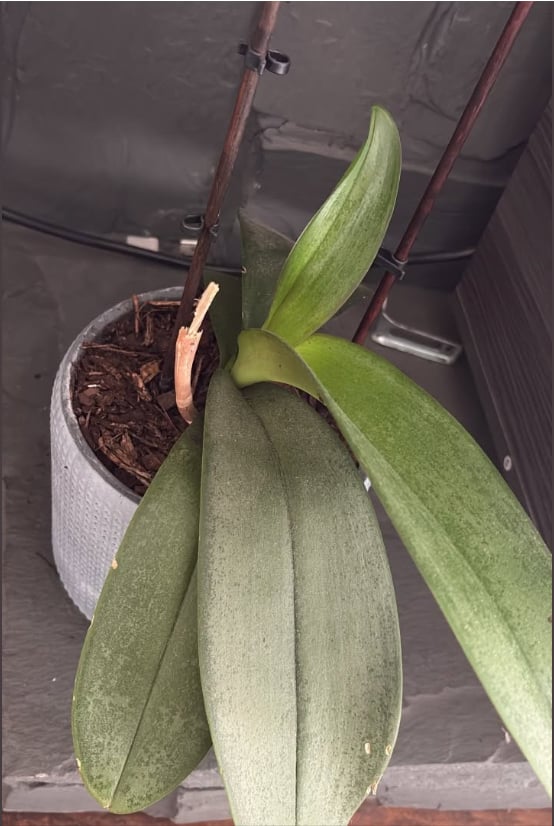
moth orchid (Phalaenopsis)
Why hasn’t my orchid flowered again for a year?
This moth orchid looks healthy enough but likely isn’t getting the right mix of bright light, feeding, and a slight temperature drop that triggers new flower spikes. Improve light, start regular orchid fertilizer, and give it a cooler, brighter spot for a few weeks to encourage blooming.
How do I know when my plants need watering?
Most plants should be watered when the top layer of soil has dried out, not on a fixed schedule. Check the soil with your finger, lift the pot to feel the weight, and watch the leaves for early signs of thirst like slight drooping or dullness.
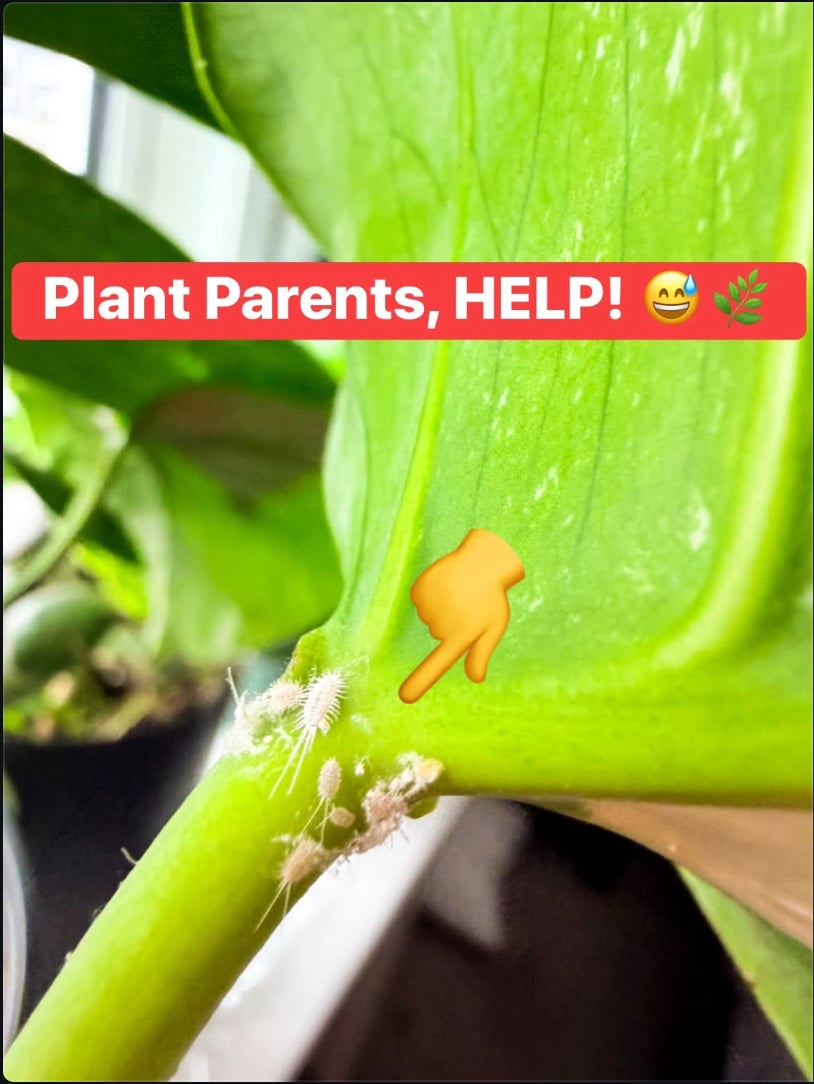
Are these white insects on my plant mealybugs and how do I get rid of them?
Those fluffy white insects in the leaf joint are mealybugs. Isolate the plant, wipe them off with cotton dipped in diluted rubbing alcohol, and repeat weekly, adding insecticidal soap or neem oil if they keep coming back.
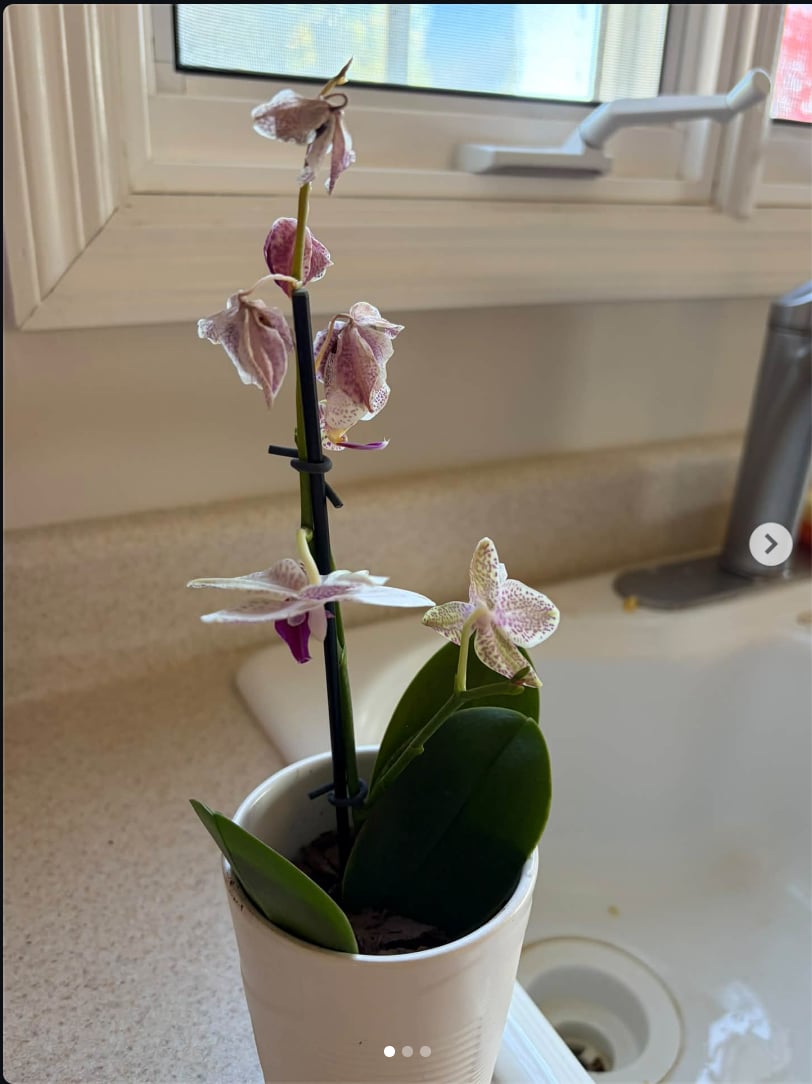
orchid, basil, croton
Can these orchid, basil, and croton plants be saved?
Yes, the orchid and croton are probably salvageable, but the herb in the black pot looks too dried out to recover. Check each plant’s stems and roots for green, firm tissue, trim off dead parts, repot if needed, and adjust light and watering so they can regrow.