
monstera · Asked on Instagram · 3 November 2026
Should I trim burned leaves on my Monstera and when should I repot it?
Those brown, crispy patches are old sunburn and won’t heal, but you don’t have to rush to cut them off—only trim if they really bother you or if a leaf is mostly damaged. Repot once you see roots circling the pot or poking from the drainage holes, ideally in the growing season (spring–summer).
The question
“Hi plant people! I’m new to house plants so I bought this Monstera on Facebook marketplace. As you can see she’s a little burned but she’s growing new leaves. I think she’s doing ok but I’m asking if I should trim the burnt patches? Also, when should I repot her? Thank you for any help.”
What's likely going on
From the photo, the Monstera leaves have dry, brown, crispy patches mainly on the exposed parts of the leaf. That pattern fits old sunburn or light/heat damage rather than disease. The rest of the leaf looks firm and green, and new leaves are coming in, which means the plant is still functioning well.
Burned tissue can’t turn green again, but it also doesn’t usually spread once the plant is in better light.
Repotting is a separate question: Monsteras like to be a little snug, and they only need a bigger pot when roots are crowded.
What to do
Decide how much to trim
- If the brown spots are just cosmetic and less than about a third of the leaf, it’s fine to leave them. The green parts still photosynthesize and feed the plant.
- If a leaf is mostly brown or hanging, cut that whole leaf off at the base of its stem (petiole) with clean scissors.
Optional cosmetic trim
If the patches really bother you, you can carefully trim just the dead, crispy parts, following the natural shape of the leaf and leaving a thin line of brown so you don’t cut into healthy tissue.Adjust the light
Move the plant a little back from the window or use a sheer curtain so it gets bright but indirect light. Avoid harsh midday sun on the leaves.Check if it truly needs repotting
Lift the pot and look for roots coming out of the drainage holes or tightly circling the top of the soil. If you see that, or if the soil dries out very fast (in just a couple of days), it’s time.Repot at the right time and size
- Best in spring or early summer.
- Choose a pot only 2–5 cm (1–2 inches) wider than the current one, with drainage holes.
- Use a chunky, well‑draining mix (regular potting soil mixed with bark, perlite, or coco chips).
How to prevent it
- Acclimate plants slowly when moving them closer to a window: a little more light each week.
- Keep glass‑side leaves out of intense afternoon sun.
- Water when the top few centimeters of soil are dry; avoid both soggy and bone‑dry soil for long periods.
When to worry
- Brown patches keep getting larger on newer leaves.
- You see soft, wet, black areas or a bad smell from the soil (possible rot).
- Leaves yellow heavily from the bottom up and drop quickly.
If any of those happen, reassess watering and check the roots for rot before repotting again.
Answered by the GrowPls assistant. Every plant and room is different; if things don't improve, a clear close-up photo of the affected part is the fastest way to a better answer.
Related questions
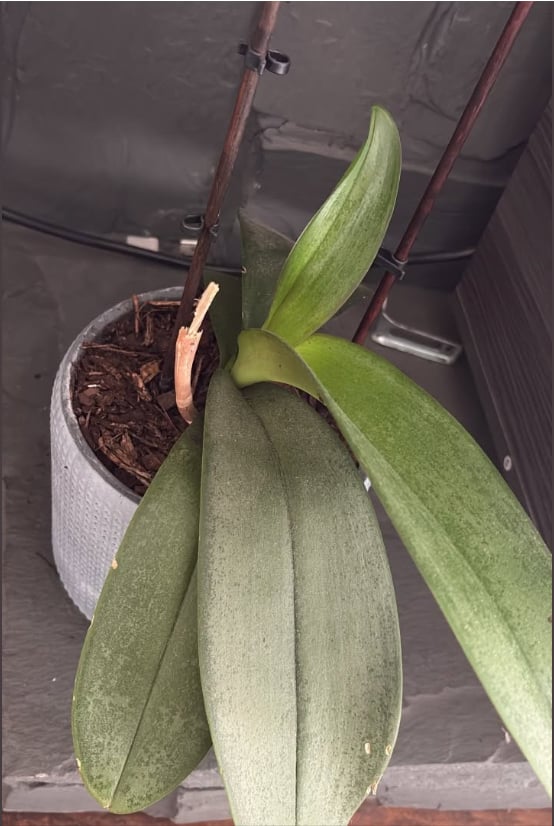
moth orchid (Phalaenopsis)
Why hasn’t my orchid flowered again for a year?
This moth orchid looks healthy enough but likely isn’t getting the right mix of bright light, feeding, and a slight temperature drop that triggers new flower spikes. Improve light, start regular orchid fertilizer, and give it a cooler, brighter spot for a few weeks to encourage blooming.
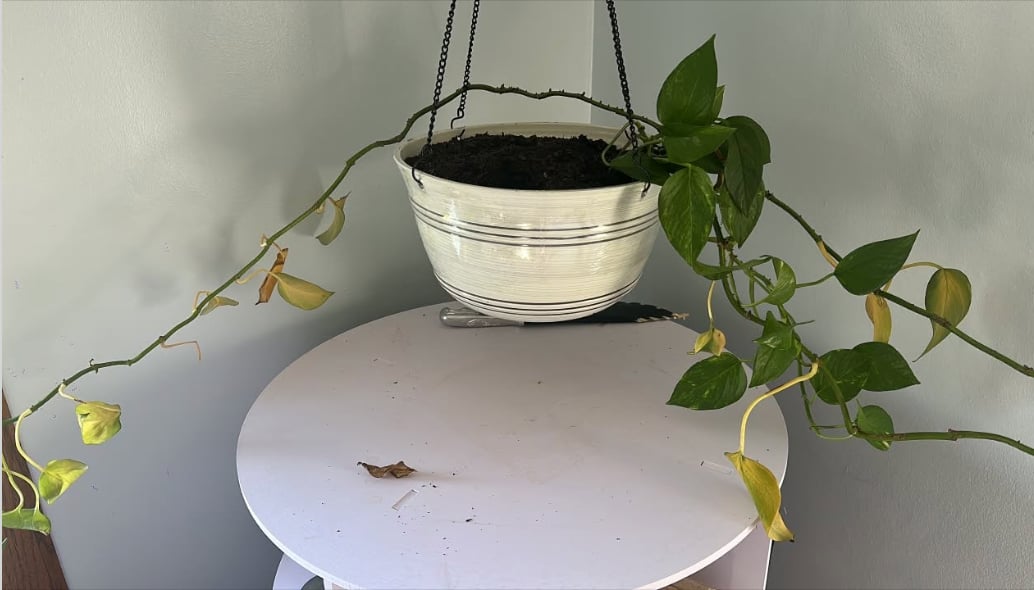
pothos (money plant)
Why are my pothos leaves turning yellow after repotting?
Those yellow leaves are most likely from stress after repotting plus soil that’s staying too wet. Check that the pot drains well, let the soil dry a bit between waterings, and trim off the worst yellow leaves.
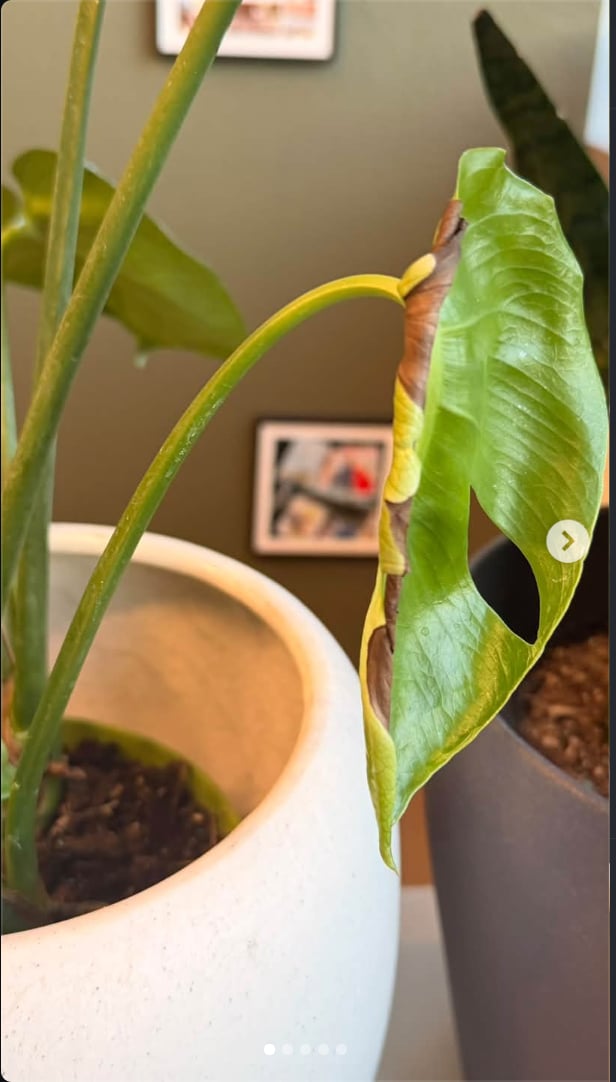
monstera
Why is my Monstera new leaf browning before it fully opens?
That brown edge on the new leaf is usually from stress while the leaf is still tightly rolled – most often low humidity, underwatering, or the leaf getting stuck and damaged. Check watering, light, and humidity, and focus on helping the next leaf grow in better.
How do I know when my plants need watering?
Most plants should be watered when the top layer of soil has dried out, not on a fixed schedule. Check the soil with your finger, lift the pot to feel the weight, and watch the leaves for early signs of thirst like slight drooping or dullness.