
apple tree · Asked on Instagram · 31 October 2026
What are the insects eating my ripe apples on the tree?
Those look like wasps (or similar stinging insects) feeding on already damaged, over‑ripe apples. Remove damaged fruit and keep the area clean; if needed, use traps away from the tree rather than spraying the whole tree.
The question
“What are these bugs are eating my apples?”
What's likely going on
From the photo, the insects are narrow‑waisted, with clear wings and are gathering in big groups on soft, broken areas of the fruit. That fits wasps or hornet‑type insects, not a specialized “apple borer.”
They are almost always feeding on juice from over‑ripe or already damaged apples. The first damage is usually from:
- birds, hail, or branches rubbing
- caterpillars or codling moth grubs inside the fruit
- fruit cracking as it ripens
Once the skin is broken and the fruit starts to ferment, wasps, flies, and ants move in for the sugar. They don’t usually harm the tree itself, but they can ruin the fruit and make picking risky because of stings.
What to do
Carefully remove badly damaged fruit
Wear gloves and long sleeves. Clip off and discard heavily eaten or rotting apples into a sealed bag or bucket.Pick fruit a bit earlier
Don’t leave ripe apples hanging for long. Harvest as soon as they reach full size and have good color and flavor.Clean up fallen fruit daily
Rotting windfalls are wasp magnets. Rake them up and compost them in a closed bin or bury them.Use wasp traps away from the tree
Hang commercial or homemade traps (sugar water + a splash of vinegar and a drop of soap) several meters away from the tree to draw them off. Keep them out of reach of kids and pets.Avoid broad insecticide sprays
Sprays can harm bees and other beneficials. Only consider targeted wasp control if they are a real safety issue, and follow the label closely.
How to prevent it
- Thin fruit and prune so apples get good air and sun, which reduces cracking and rot.
- Use proper pest control earlier in the season (e.g., trapping codling moths, bagging young fruits in paper or cloth bags).
- Keep the area under the tree clean and mowed so fallen fruit is easy to spot and remove.
When to worry
- If wasps are so numerous that it’s unsafe to walk or harvest near the tree. In that case, contact a local pest‑control professional.
- If most apples show internal tunneling or grubs as well as outside feeding; that points to a separate moth or caterpillar problem that needs its own control plan next season.
Answered by the GrowPls assistant. Every plant and room is different; if things don't improve, a clear close-up photo of the affected part is the fastest way to a better answer.
Related questions
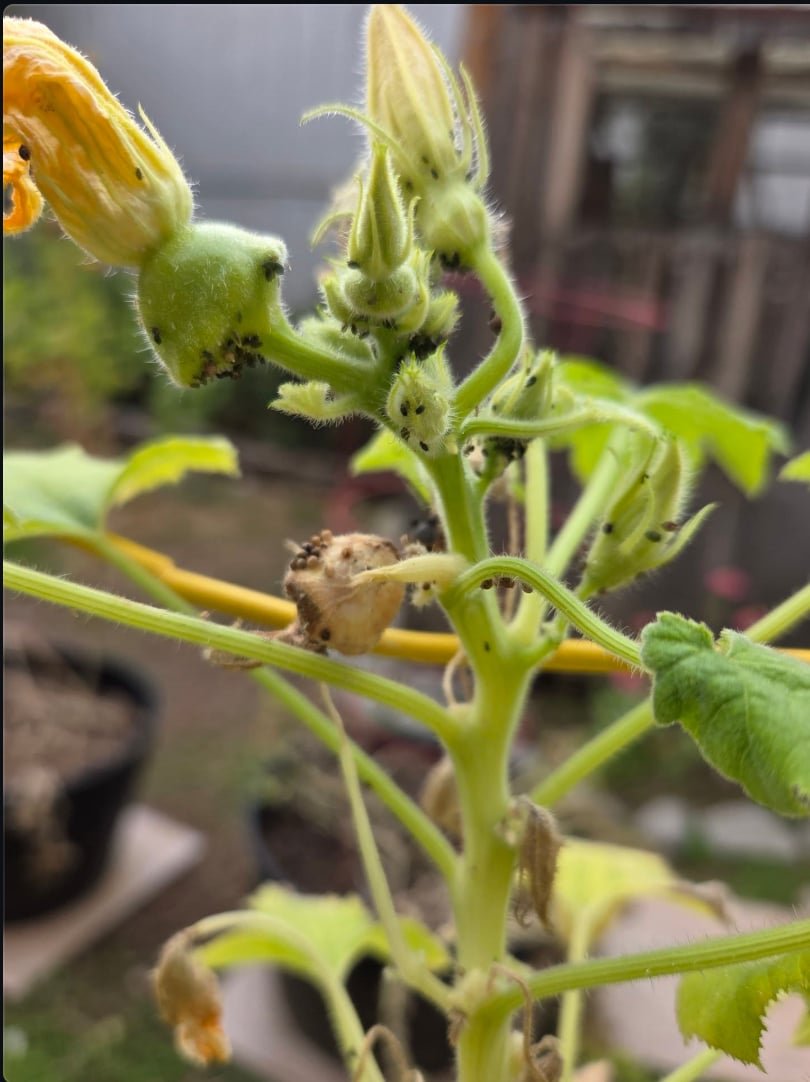
squash
What are the small black bugs on my squash flowers and stems?
Those tiny dark insects clustered on the buds and young stems are aphids. Rinse them off with a strong spray of water, then treat with insecticidal soap or neem oil if they keep coming back.
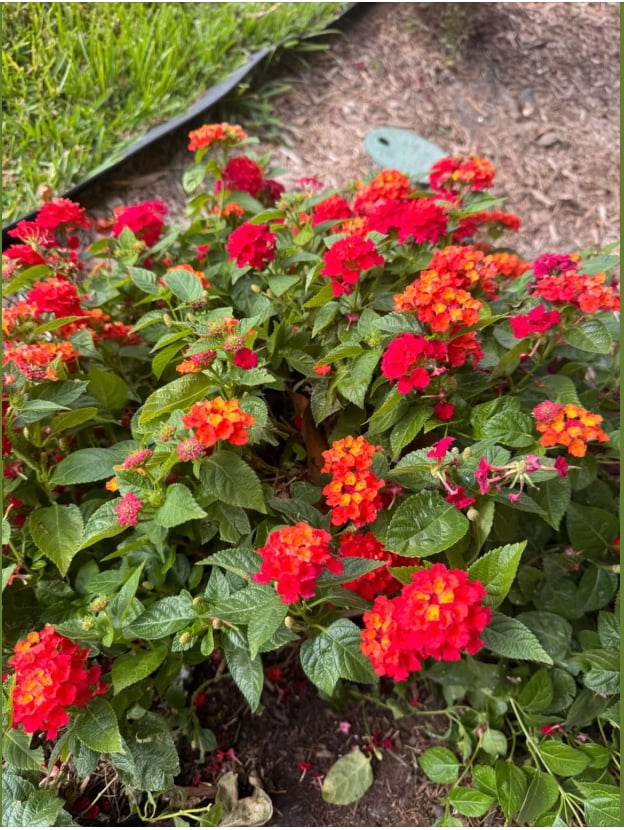
lantana
How do I get mealybugs out of my outdoor flower beds?
Mealybugs don’t really live freely in garden soil; they survive on plant roots and stems, so the key is to treat the plants (and any ant activity) thoroughly and repeatedly. Start by cutting back the worst‑infested growth, washing plants hard with water, then using a soapy spray or horticultural oil every 5–7 days until you see no new bugs.
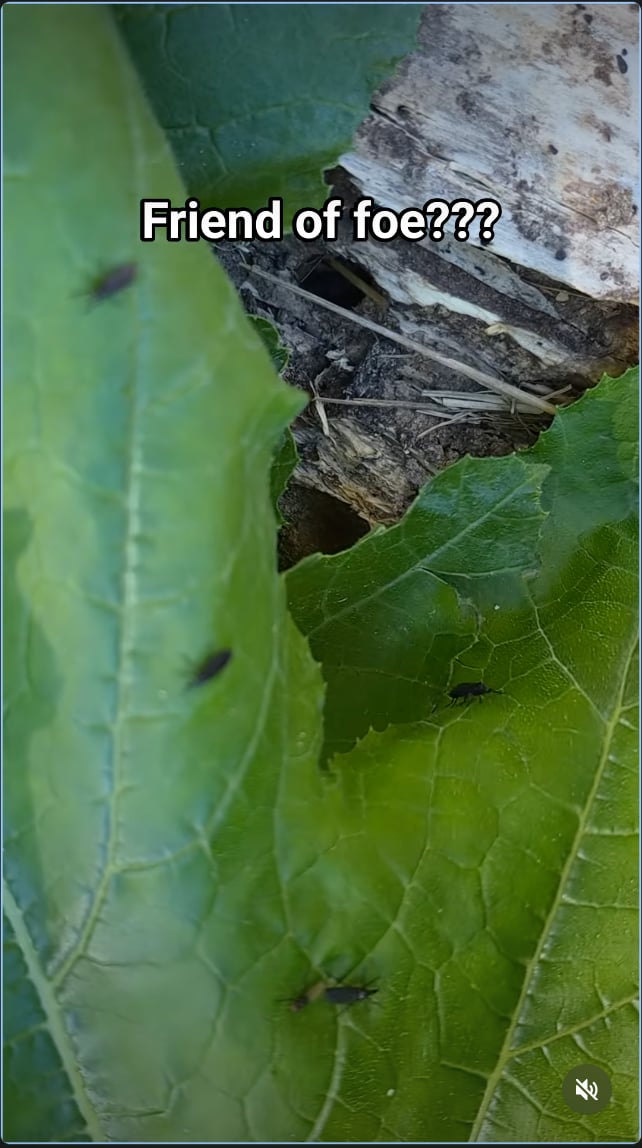
zucchini
Are the small black insects on my zucchini leaves squash bugs?
These are not the typical gray, shield‑shaped squash bugs. They look like small slender plant bugs or thrips, which are usually much less serious. Check for real damage first, and only treat if leaves are actually being sucked dry or distorted; start with washing them off before using anything like diatomaceous earth.
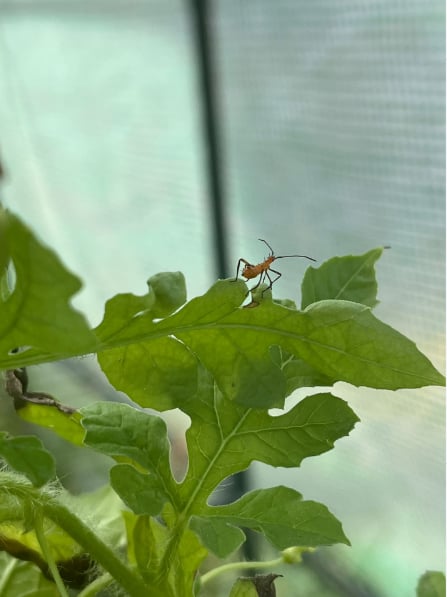
Are these orange long‑legged bugs on my plants good or bad?
This looks like a young assassin bug, which is a beneficial predator that eats other garden pests. Leave it in the garden, but avoid handling it because it can give a painful bite if disturbed.