
Alocasia (African mask) · Asked on Facebook · 5 November 2026
What are the yellow-edged spots on my Alocasia (African mask) leaves?
Those yellow-rimmed brown spots are most likely a leaf spot issue, often from moisture staying on the leaves or a stressed, overwatered Alocasia. Remove the worst leaf, keep the foliage dry, and adjust watering and airflow so it doesn’t spread.
The question
“Can someone tell me what this is on my plant 🌱 and should I be worried 😟?”
What's likely going on
From the photo, the Alocasia leaf has irregular brown spots with bright yellow halos. The tissue in the center looks dead and slightly sunken.
That pattern usually points to leaf spot disease (fungal or bacterial) rather than pests. It often starts when:
- Leaves stay wet for a long time (overhead watering or splashing).
- The plant is kept a bit too wet at the roots and in still, humid air, so the leaf never fully dries.
- A small injury or old damage becomes infected.
Alocasias are also drama-prone: once a leaf is stressed, it doesn’t recover; it just shows spots or edges dying back while new leaves can still be healthy.
What to do
Isolate and inspect
Move the plant slightly away from others for now. Check all leaves (top and underside) for more spots or any fuzzy mold or wet-looking lesions.Remove the worst leaf
If one or two leaves are badly spotted, cut them off near the base with clean scissors. Discard in the trash, not the compost. Wipe tools with alcohol after.Adjust watering
Let the top 2–3 cm of soil dry before watering again. Alocasia likes evenly moist, not soggy. Make sure the pot has drainage and no water sits in the saucer.Keep the leaves dry
Water the soil, not over the foliage. Avoid misting. Good airflow (a fan on low nearby, not blasting) helps leaves dry faster.Watch for spread
If new spots keep appearing or look wet and slimy, a copper-based fungicide/bactericide can help, used exactly as the label says. Keep pets and children away from treated plants; Alocasia itself is toxic if chewed.
How to prevent it
- Use a chunky, well-draining mix so roots aren’t sitting in water.
- Water in the morning so any splashes dry by evening.
- Give bright, indirect light; a weak, stressed plant is more disease-prone.
- Wipe leaves occasionally with a damp cloth instead of misting.
When to worry
- Spots spread rapidly to every new leaf despite the changes above.
- Stems or the base of the plant become mushy or smell rotten (sign of root rot, not just leaf spot).
- The plant stops producing new leaves for several months while older ones keep dying.
If any of those happen, unpot the plant to check the roots and trim away any brown, mushy ones, or consider repotting into fresh mix to save what’s left.
Answered by the GrowPls assistant. Every plant and room is different; if things don't improve, a clear close-up photo of the affected part is the fastest way to a better answer.
Related questions
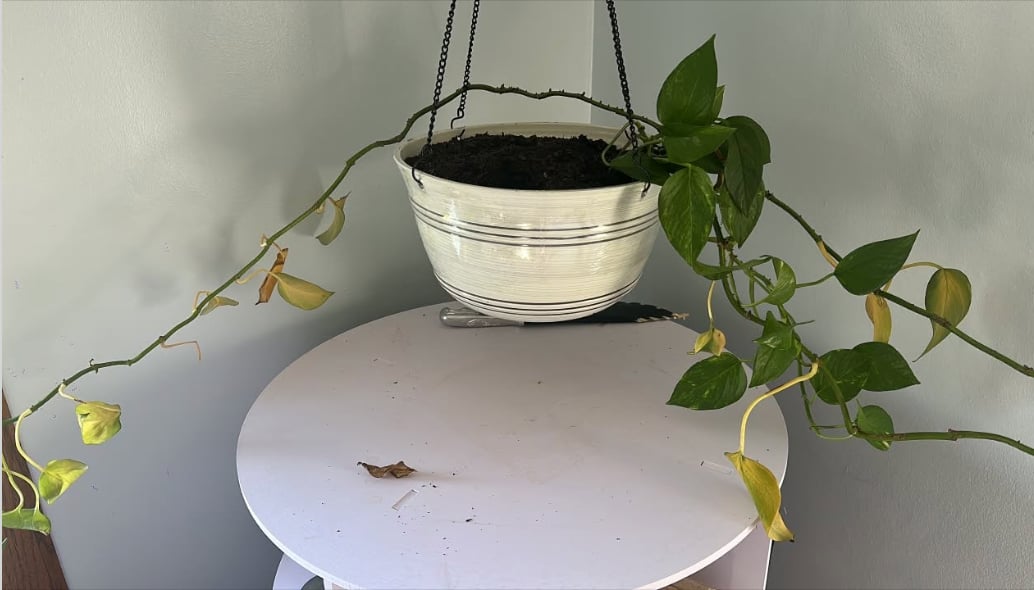
pothos (money plant)
Why are my pothos leaves turning yellow after repotting?
Those yellow leaves are most likely from stress after repotting plus soil that’s staying too wet. Check that the pot drains well, let the soil dry a bit between waterings, and trim off the worst yellow leaves.
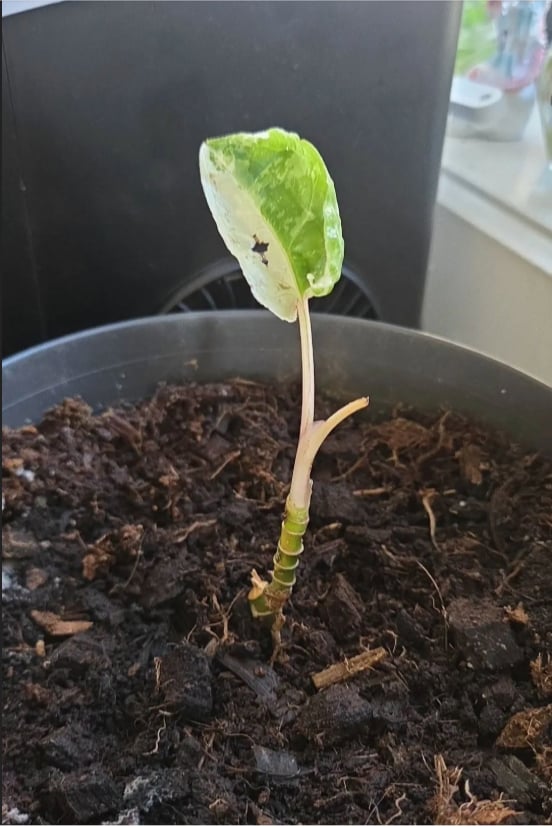
How can I identify this small cutting with only one damaged leaf?
From the photo, the plant is too small and damaged to confidently identify; it looks like a young aroid-type houseplant grown from a stem cutting. Let it grow a few new leaves and nodes, then compare leaf shape and growth habit for a more reliable ID.
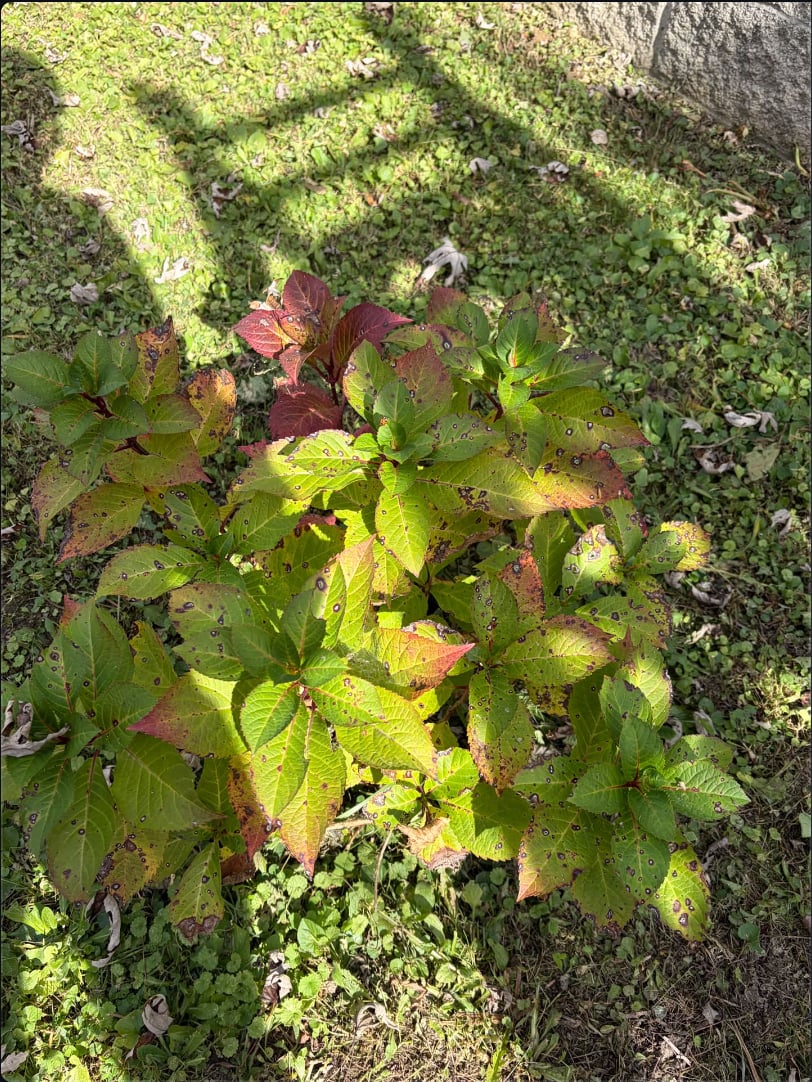
hydrangea
What is causing spots and discoloration on my hydrangea leaves?
The shrub has a leaf‑spot disease, most likely a fungal problem made worse by wet leaves and crowded growth. Remove the worst leaves, clean up fallen ones, and keep the plant drier and better ventilated; it usually clears up without harsh chemicals.
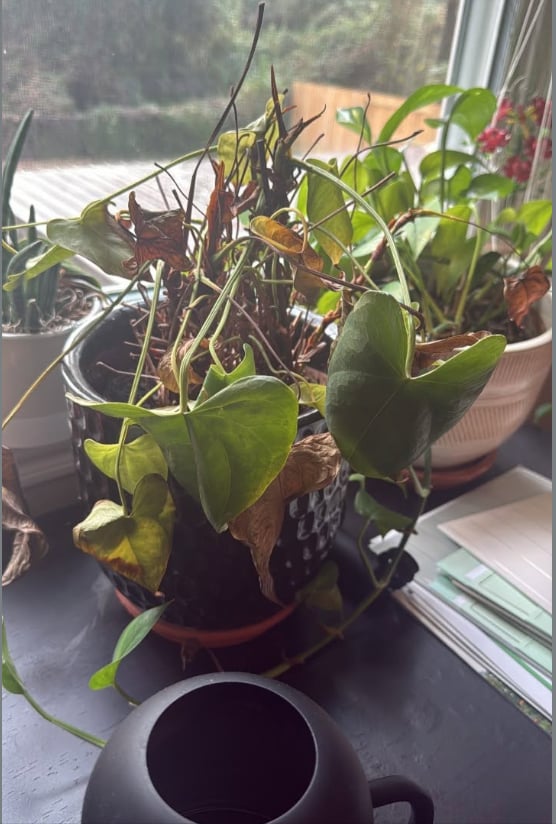
heartleaf philodendron
What is wrong with my heartleaf philodendron with yellow, crispy leaves?
The plant looks badly stressed from a mix of underwatering and an old, crowded root system, so many of the old vines have died back. Start by pruning all dead growth, checking the roots, and repotting into fresh, well‑draining soil, then water regularly but not constantly soggy.