
purple shamrock (Oxalis triangularis) · Asked on Facebook · 2 November 2026
What is this purple plant with triangle leaves and pink flowers?
This is a Purple Shamrock (Oxalis triangularis), also called False Shamrock. It’s a bulb-like houseplant with purple, triangular leaves and pale pink flowers that does best in bright, indirect light and lightly moist soil.
The question
“Does anyone know what this plant ?”
What's likely going on
The plant in the photo is Purple Shamrock (Oxalis triangularis), sometimes sold as False Shamrock or Love Plant. You can recognize it by:
- Deep purple, triangular leaves usually held in groups of three like a clover.
- Small, pale pink to white flowers on thin stems above the foliage.
- Leaves that may slowly open and close over the day (they respond to light).
It grows from small bulbs or tubers and is popular as an indoor or patio plant.
What to do
Light
Give it bright, indirect light. A few hours of gentle morning sun is fine, but avoid strong afternoon sun that can scorch the leaves.Watering
Keep the soil lightly moist but not soggy. Water when the top 2–3 cm of soil feels dry, and empty any water that collects in the saucer.Pot and soil
Use a pot with drainage holes and a light, well‑draining mix (regular potting soil mixed with a bit of perlite or sand works well).Feeding
During active growth, feed once a month with a diluted balanced liquid fertilizer.Rest period
If the leaves start to die back all at once, don’t panic. Oxalis often has a dormant period. Let the soil dry a bit, keep the pot in a cool, dry place for a few weeks, then resume watering and it should sprout again.Pets
Oxalis contains oxalates and can be irritating if eaten, so keep it out of reach of pets and small children.
How to prevent it
- Avoid overwatering, which can rot the bulbs.
- Rotate the pot every couple of weeks so it grows evenly and doesn’t lean toward the light.
- Protect from harsh midday sun to keep the leaf color rich and avoid brown spots.
When to worry
- Constantly soggy soil, foul smell, or mushy bulbs: likely rot—unpot, remove rotted parts, repot in fresh, drier mix.
- Leaves turning pale green or stretching: it needs more light.
- Sticky residue or visible insects (aphids, mites): rinse the plant and, if needed, treat with insecticidal soap or neem oil, keeping it away from pets while it dries.
Answered by the GrowPls assistant. Every plant and room is different; if things don't improve, a clear close-up photo of the affected part is the fastest way to a better answer.
Related questions
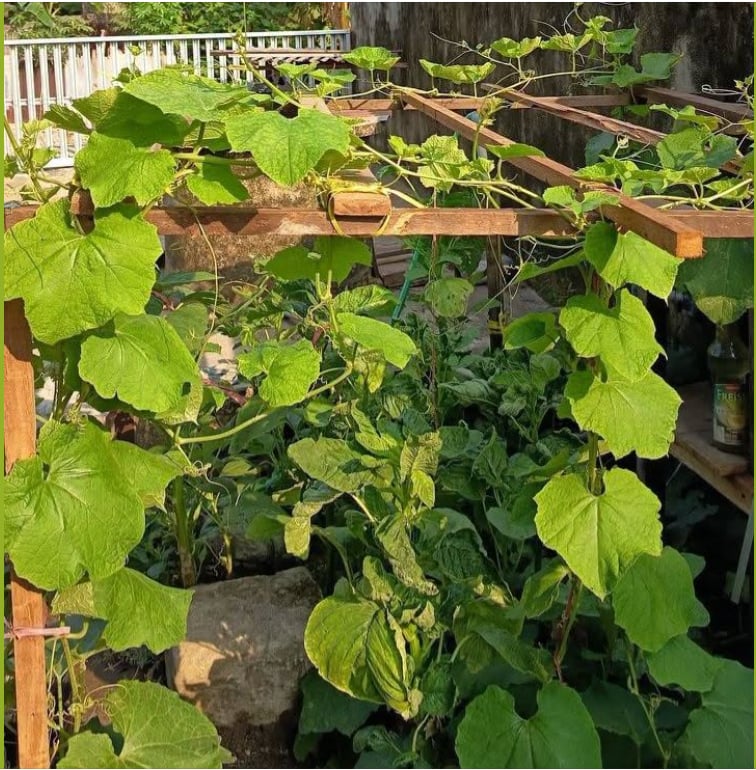
cucurbit vine (gourd/squash family)
What is this cucurbit vine growing wild on my trellis?
This looks like a cucurbit vine – something in the gourd/squash family, such as pumpkin, bottle gourd, or another edible squash – probably a volunteer from kitchen scraps or old compost. Let it flower and fruit to know exactly which one.
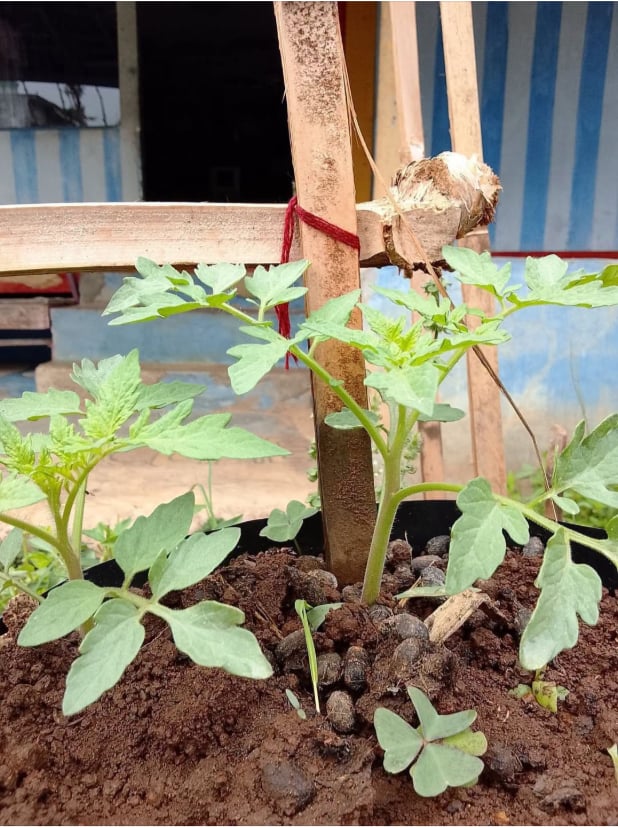
tomato
What plant is this seedling I planted?
The seedlings in the photo are tomato plants. Give them strong sun, a bigger pot or bed, and support as they grow taller.
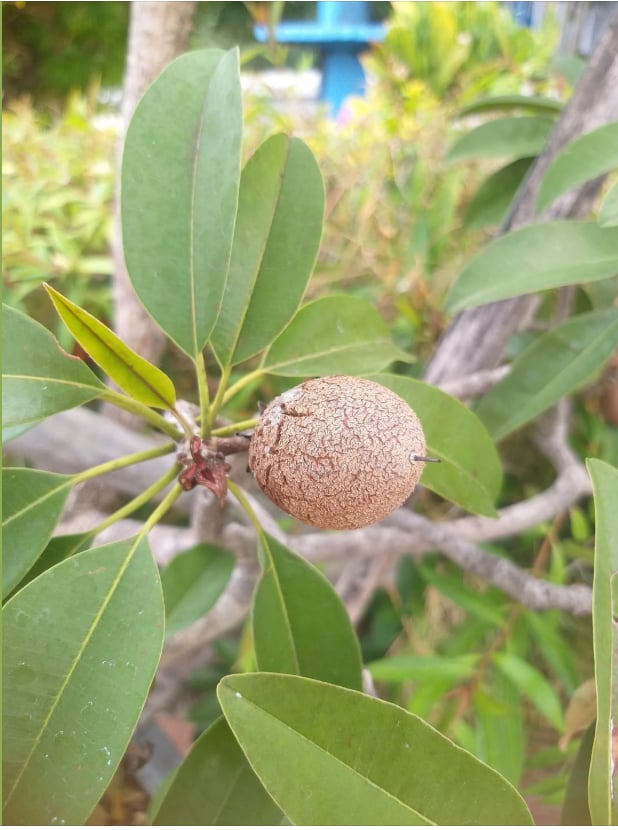
sapodilla (chikoo)
What is this tree with brown round fruits – is the fruit edible?
This looks very much like a sapodilla (chikoo) tree, whose ripe fruit is edible and sweet, but never eat anything based only on an online ID. Have a local plant expert or neighbor familiar with the tree confirm it in person before tasting.
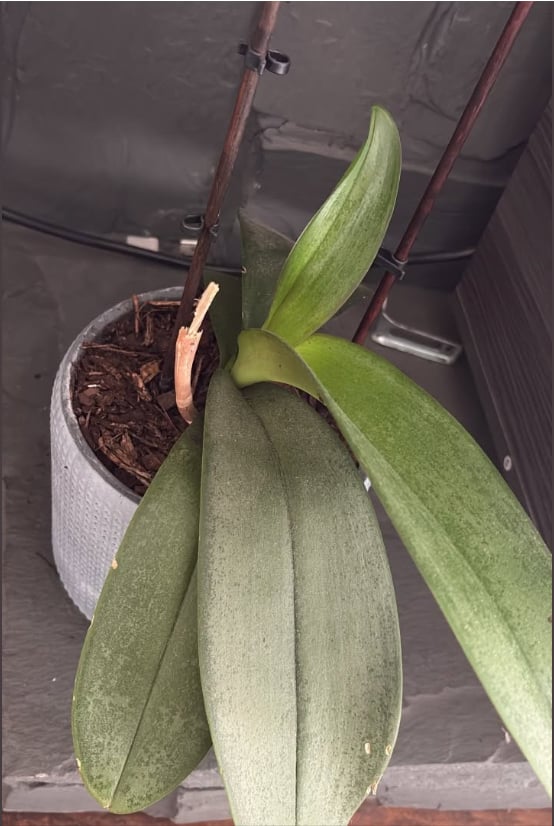
moth orchid (Phalaenopsis)
Why hasn’t my orchid flowered again for a year?
This moth orchid looks healthy enough but likely isn’t getting the right mix of bright light, feeding, and a slight temperature drop that triggers new flower spikes. Improve light, start regular orchid fertilizer, and give it a cooler, brighter spot for a few weeks to encourage blooming.