
caladium · Asked on Facebook · 2 November 2026
Why are my caladium leaves drooping and falling over?
Those soft, droopy leaves usually mean the caladium is stressed from watering issues and low light, and it may also be entering its natural rest period. Check the soil and roots, adjust watering, and either give it more light or let it go into dormancy if the tubers are healthy.
The question
“Please help..Leaves are down and even some of the new ones grow facing down !!! What’s going on ???? 😞🥺”
What's likely going on
From the photo, the caladium has very long, thin petioles (leaf stems) and leaves that are hanging or collapsing. Some older leaves are yellowing and dropping.
Things that can cause this:
Watering problems
- If the soil is staying wet for many days, the roots can rot and can’t hold the leaves up. Leaves feel soft and mushy and may yellow.
- If the soil gets bone‑dry, the leaves also flop, but they feel more papery and perk up a bit after watering.
Not enough light
Very long, stretched stems reaching toward the window usually mean the plant is in lower light than it likes. Weak, stretched stems can’t support the leaves so they bend and face down.Natural caladium dormancy
Caladiums grow from tubers and often die back after a growing season, especially indoors or in cooler, drier air. Leaves gradually droop, yellow, and fall even if care is okay. The tuber can be saved for next season.
What to do
Check the soil and roots
Slide the plant gently out of the pot. If roots are brown, mushy, or smell sour, you have rot. Trim rotten roots, repot into fresh airy mix (potting soil + extra perlite), and make sure there’s a drainage hole.Adjust watering
Water only when the top 2–3 cm of soil are dry. Then water thoroughly until it drains, and empty any saucer. Avoid frequent small sips.Improve light
Move it closer to a bright window with indirect light (no harsh midday sun through glass). Brighter light will thicken new stems so they don’t flop.Decide about dormancy
If most leaves are already collapsing and it’s the end of the warm season, you can let it go dormant: cut back dying leaves, keep the soil just barely dry (not soggy), and store the pot in a cool, dry, bright‑ish spot. Re‑start watering in spring when new shoots appear.Stake if needed
For existing long stems, you can gently stake them to keep leaves off the floor while the plant recovers.
How to prevent it
- Always use a pot with good drainage and a light, well‑draining soil mix.
- Keep to a water‑then‑dry‑a‑bit cycle instead of keeping the soil constantly wet.
- Grow caladiums in bright, indirect light; too dark = long, floppy stems.
- Expect a rest period each year; growth slows and some leaf drop is normal.
When to worry
- If many leaves suddenly collapse at once and the soil is wet and smelly, act quickly to check for root rot.
- If the stems at the base turn black and mushy, cut away the rot and try to save the tuber in fresh dry soil.
- If no new growth appears during warm months after correcting care, the tuber may be dead and replacement might be easier than reviving it.
Answered by the GrowPls assistant. Every plant and room is different; if things don't improve, a clear close-up photo of the affected part is the fastest way to a better answer.
Related questions
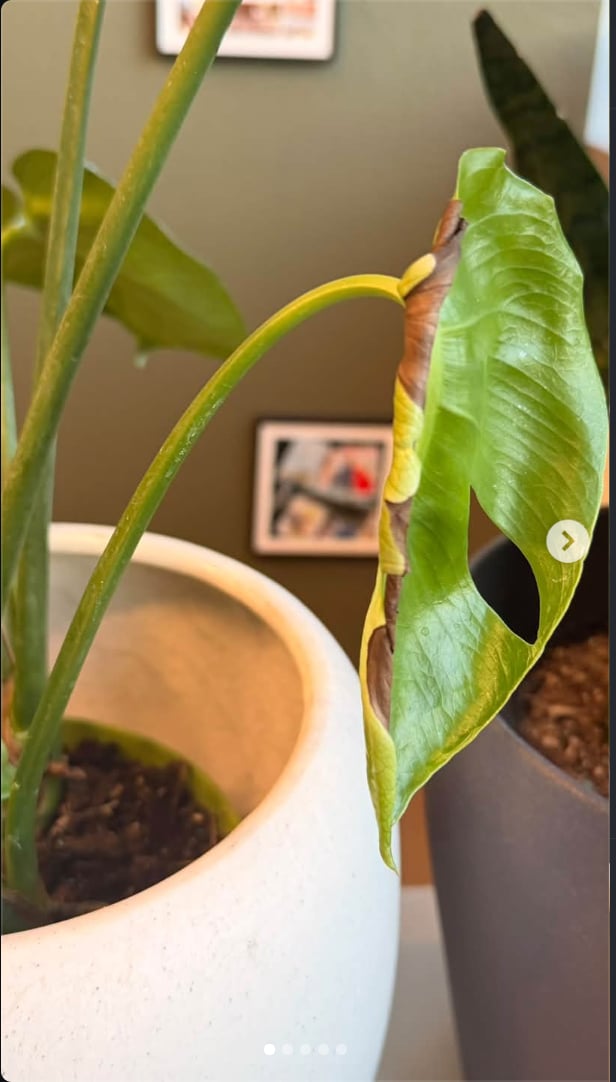
monstera
Why is my Monstera new leaf browning before it fully opens?
That brown edge on the new leaf is usually from stress while the leaf is still tightly rolled – most often low humidity, underwatering, or the leaf getting stuck and damaged. Check watering, light, and humidity, and focus on helping the next leaf grow in better.
How do I know when my plants need watering?
Most plants should be watered when the top layer of soil has dried out, not on a fixed schedule. Check the soil with your finger, lift the pot to feel the weight, and watch the leaves for early signs of thirst like slight drooping or dullness.
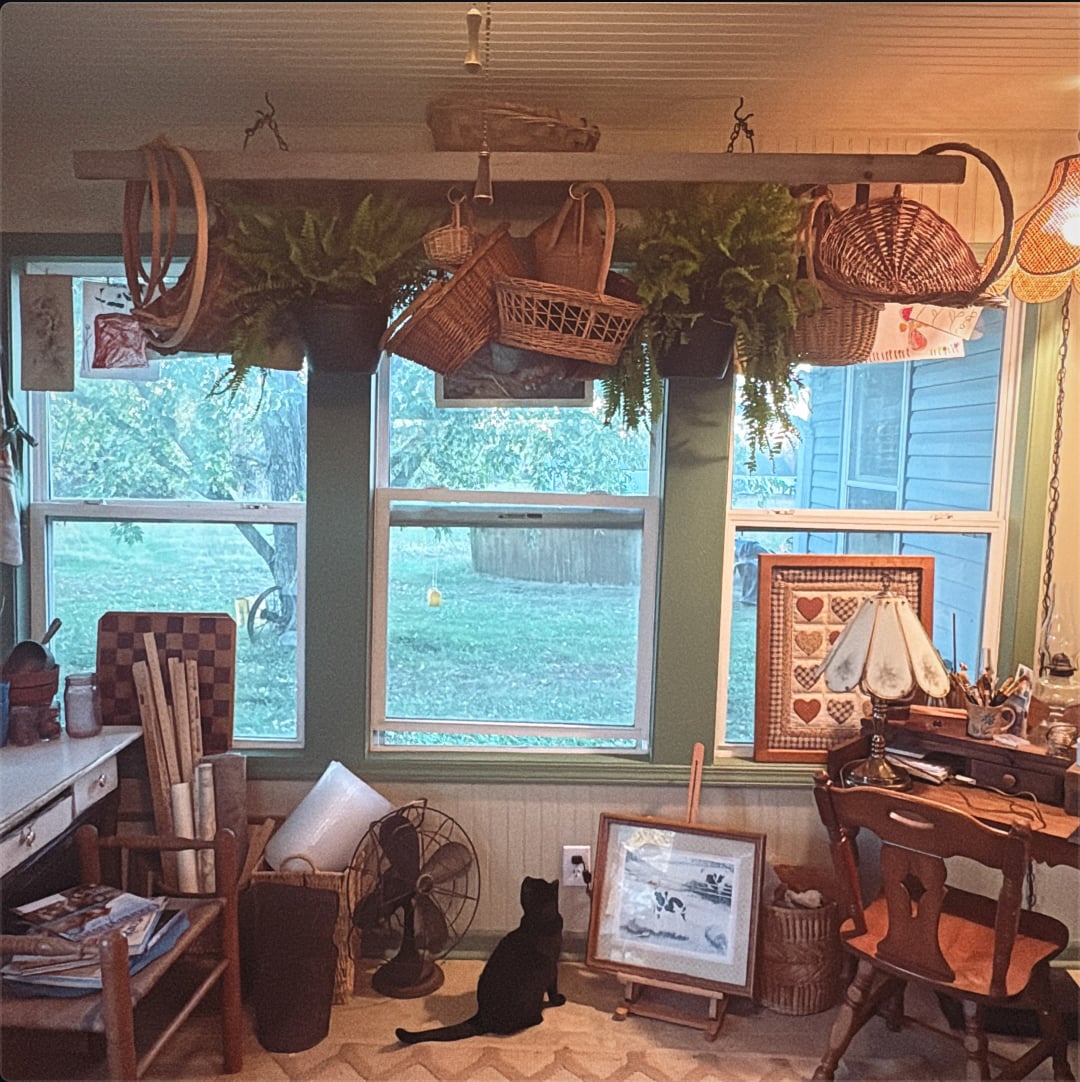
fern (likely Boston fern)
How do I overwinter hanging ferns in a bright sunroom?
That sunroom spot should work well if the ferns get bright but not harsh direct sun and the air isn’t too hot or dry. Indoors, water whenever the top of the soil just starts to feel dry, which is often about once a week but depends on your room’s temperature and humidity.
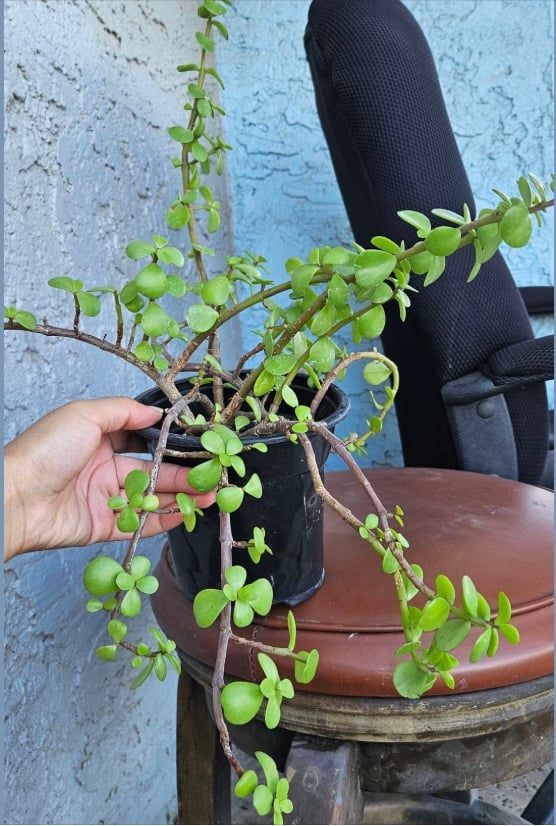
elephant bush
Why is my elephant bush (Portulacaria afra) droopy and losing leaves?
This elephant bush is most likely reacting to a change in light and watering, and it’s probably staying too wet in its current soil. Move it to brighter light, let it dry more between waterings, and consider repotting into a fast‑draining succulent mix.