
rose · Asked on Facebook · 2 November 2026
Why are my rose flowers not opening fully?
Those rose blooms look slightly deformed, which is usually due to weather stress, pests like thrips, or nutrient imbalance rather than a serious disease. Start by checking for tiny insects in the buds and make sure the plant gets full sun, regular feeding, and even watering.
The question
“I don't know what made the flowers not bloom perfectly.”
What's likely going on
From the photo, the rose is blooming, but the flower looks a bit tight and uneven, like it hasn’t opened to its full, rounded shape. A few common things can cause this:
- Weather and humidity (bud “balling”) – If buds get very wet from rain or overhead watering, then dry slowly in cool or very humid air, the outer petals can stick together. The bud partly opens and looks crumpled instead of full.
- Thrips or other tiny insects – Very small insects that hide in rose buds can damage the petals before they open. This can lead to twisted, patchy, or uneven flowers. Look for tiny, fast‑moving insects when you gently open a bud.
- Nutrient or water stress – Roses that are under‑fed or swinging between very dry and very wet soil may produce smaller, less perfectly formed blooms.
- Variety and age of bloom – Some very double (many‑petaled) rose varieties naturally open in a tighter, ruffled way, and older blooms can look misshapen as they age.
From just one photo it’s hard to pick only one cause, but checking pests and care conditions will usually reveal it.
What to do
Inspect the buds closely
In good light, gently peel back a bud and look for tiny insects (thrips look like tiny brown or yellow slivers). If present, spray with insecticidal soap or neem oil, following the label. Keep these away from pets’ mouths and eyes.Improve sun and airflow
Make sure the rose gets at least 5–6 hours of direct sun and is not crowded. Good airflow helps the buds dry quickly after rain or watering.Water deeply but not constantly
Water at the base of the plant, not on the flowers, when the top 2–3 cm of soil feels dry. Deep watering less often is better than frequent light splashes.Feed regularly
During the growing/blooming season, use a balanced rose or flowering‑plant fertilizer every 4–6 weeks, or add compost and well‑rotted manure to the soil.Deadhead and prune lightly
Remove old, misshapen flowers so the plant can send energy to new buds. Trim weak, crowded shoots to open the center of the bush.
How to prevent it
- Avoid overhead watering late in the day; keep flowers as dry as possible.
- Keep the rose consistently nourished and mulched to hold moisture.
- Check buds weekly for pests, especially in hot, dry weather.
- Prune in the dormant season to keep the plant strong and well‑shaped.
When to worry
- If most buds never open at all, turn brown, or rot before opening, there may be a fungal problem or severe bud balling that needs more specific treatment.
- If you see heavy pest infestation (lots of tiny insects, webbing, or distorted leaves), treat promptly.
- If new growth is weak, yellow, or stunted along with poor blooms, consider a soil test or stronger feeding program.
A few imperfect flowers are normal, but with good sun, steady water, and regular checks for pests, most future blooms should open more fully and evenly.
Answered by the GrowPls assistant. Every plant and room is different; if things don't improve, a clear close-up photo of the affected part is the fastest way to a better answer.
Related questions
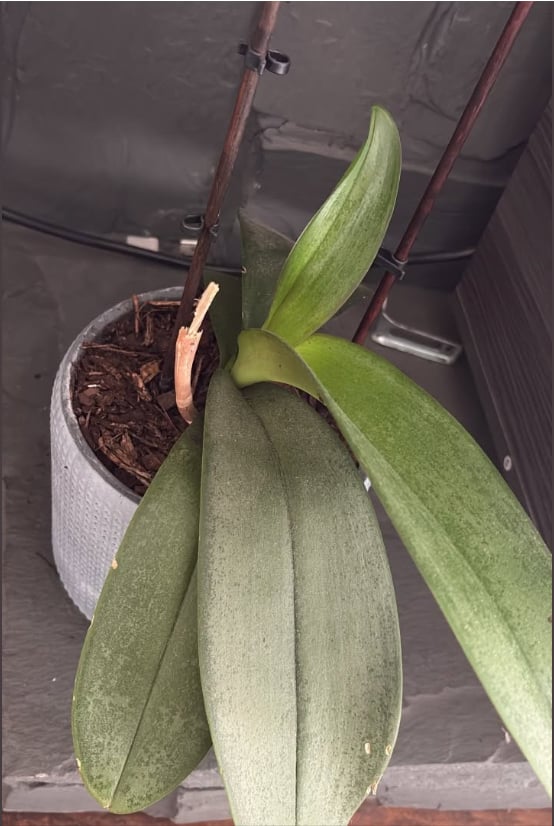
moth orchid (Phalaenopsis)
Why hasn’t my orchid flowered again for a year?
This moth orchid looks healthy enough but likely isn’t getting the right mix of bright light, feeding, and a slight temperature drop that triggers new flower spikes. Improve light, start regular orchid fertilizer, and give it a cooler, brighter spot for a few weeks to encourage blooming.
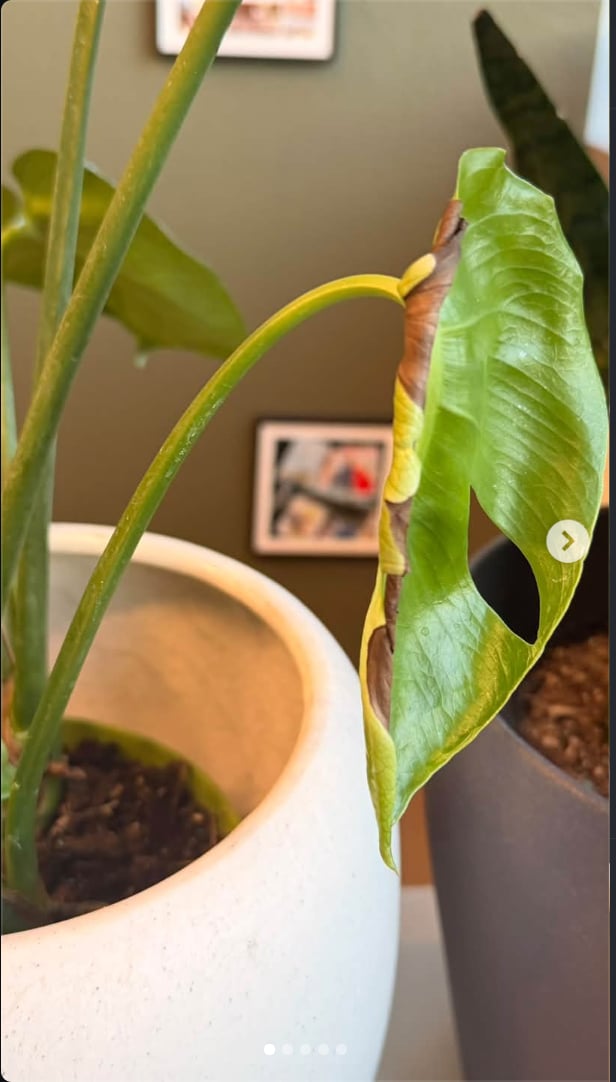
monstera
Why is my Monstera new leaf browning before it fully opens?
That brown edge on the new leaf is usually from stress while the leaf is still tightly rolled – most often low humidity, underwatering, or the leaf getting stuck and damaged. Check watering, light, and humidity, and focus on helping the next leaf grow in better.
How do I know when my plants need watering?
Most plants should be watered when the top layer of soil has dried out, not on a fixed schedule. Check the soil with your finger, lift the pot to feel the weight, and watch the leaves for early signs of thirst like slight drooping or dullness.
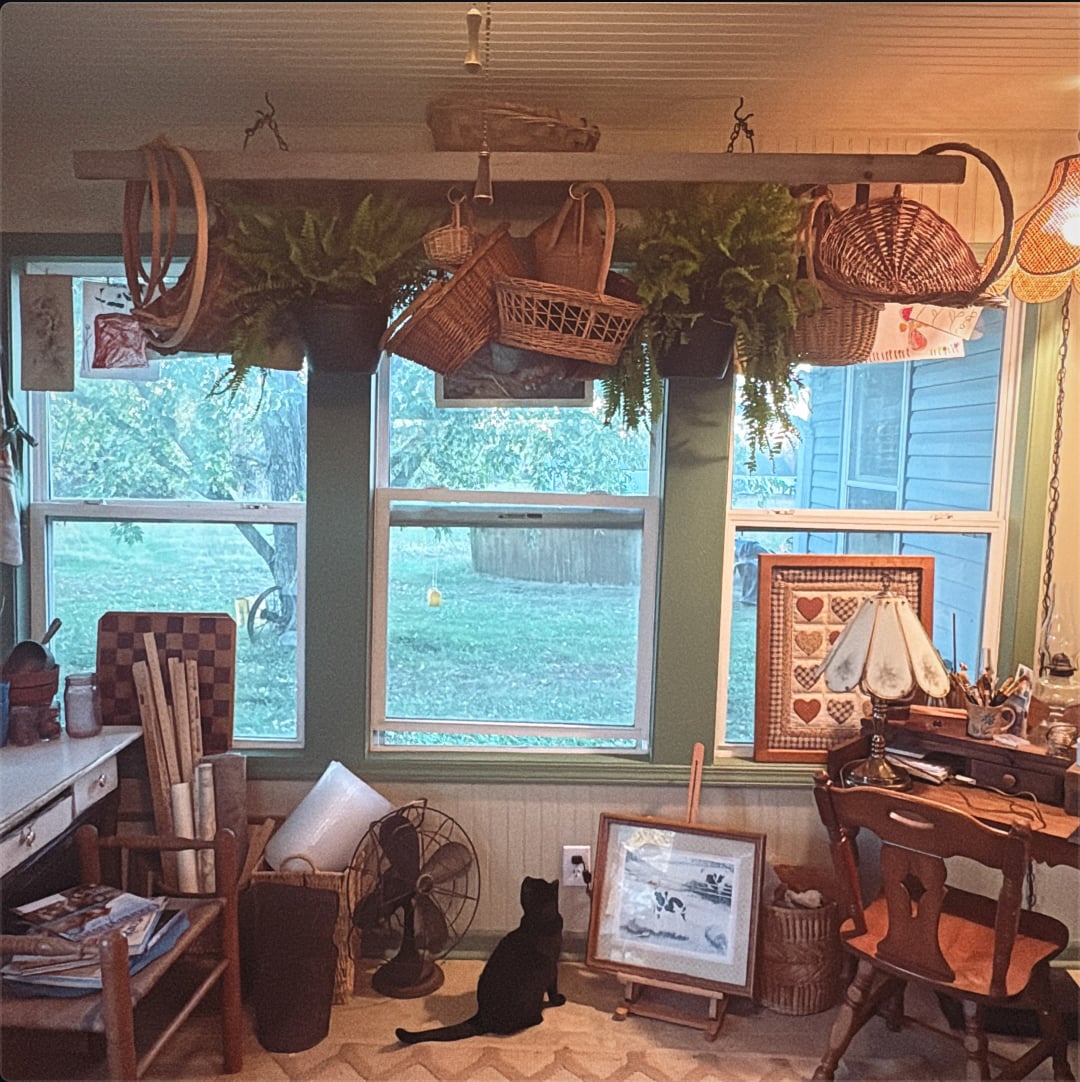
fern (likely Boston fern)
How do I overwinter hanging ferns in a bright sunroom?
That sunroom spot should work well if the ferns get bright but not harsh direct sun and the air isn’t too hot or dry. Indoors, water whenever the top of the soil just starts to feel dry, which is often about once a week but depends on your room’s temperature and humidity.