
snake plant · Asked on Instagram · 31 October 2026
Why are my snake plant leaves bending and flopping over?
Snake plant leaves usually flop when they’re older, stretched from low light, or when roots are stressed by overwatering. Check that the roots are firm and the soil dries out fully between waterings, then give it a bit more light and support the heaviest leaves.
The question
“Anyone know why snake plant leaves fall/fold/bend? Is it normal?”
What's likely going on
From the photo, the plant looks generally healthy, but several long leaves are arching and hanging over the edge of the pot.
A few common reasons this happens with snake plants (Sansevieria):
- Age and weight of the leaves – Older leaves naturally get heavier and can lean or flop, especially when they grow very long from reaching for light.
- Low or one-sided light – When light comes mostly from one direction (like a nearby window), the leaves stretch toward it and get tall and softer, so they bend more easily.
- Overwatering / root issues – If the soil stays wet, roots can rot. That makes leaves lose firmness, fold, or crease near the base. You’d usually also see mushy roots or a sour smell when you check the pot.
From the image alone, the color looks quite normal, so age, light and possibly watering are the most likely causes.
What to do
- Check the soil and roots
Slide the plant partly out of the pot. Healthy roots are firm and pale to light brown. Trim off any black, mushy roots and repot in fresh, well‑draining mix (cactus/succulent mix works well). - Adjust watering
Only water when the top 5–7 cm of soil are completely dry. In most indoor conditions, that’s every 2–4 weeks. Empty any saucer so the pot doesn’t sit in water. - Give brighter, even light
Place near a bright window with filtered or indirect sun. Rotate the pot every couple of weeks so leaves don’t all lean in one direction. - Support or prune floppy leaves
Gently tie several leaves together with soft twine, or use a small stake and loose ties. Very creased or badly folded leaves won’t straighten; you can cut them off at the soil line if they bother you. - Repot if the plant is cramped
If the pot is stuffed with roots, move it to a slightly larger pot with drainage holes. Snake plants like to be a bit snug, but not so tight that roots circle heavily.
How to prevent it
- Keep the plant in bright, indirect light instead of deep shade.
- Let the soil dry well between waterings; use a gritty, fast‑draining mix.
- Rotate the pot regularly so growth is upright and balanced.
- Avoid very large, tall leaves growing from weak light – more light = thicker, sturdier leaves.
When to worry
- Leaves are mushy, yellowing from the base, and the pot smells sour or swampy – that suggests root rot; unpot, trim dead roots, and repot in dry mix.
- New leaves come in thin, pale, and floppy even with good watering – likely not enough light.
- The whole plant is loose in the soil or the crown feels soft – treat as an emergency repot and remove any rotten tissue.
Otherwise, some bending on big, older snake plant leaves is normal and mostly a cosmetic issue.
Answered by the GrowPls assistant. Every plant and room is different; if things don't improve, a clear close-up photo of the affected part is the fastest way to a better answer.
Related questions
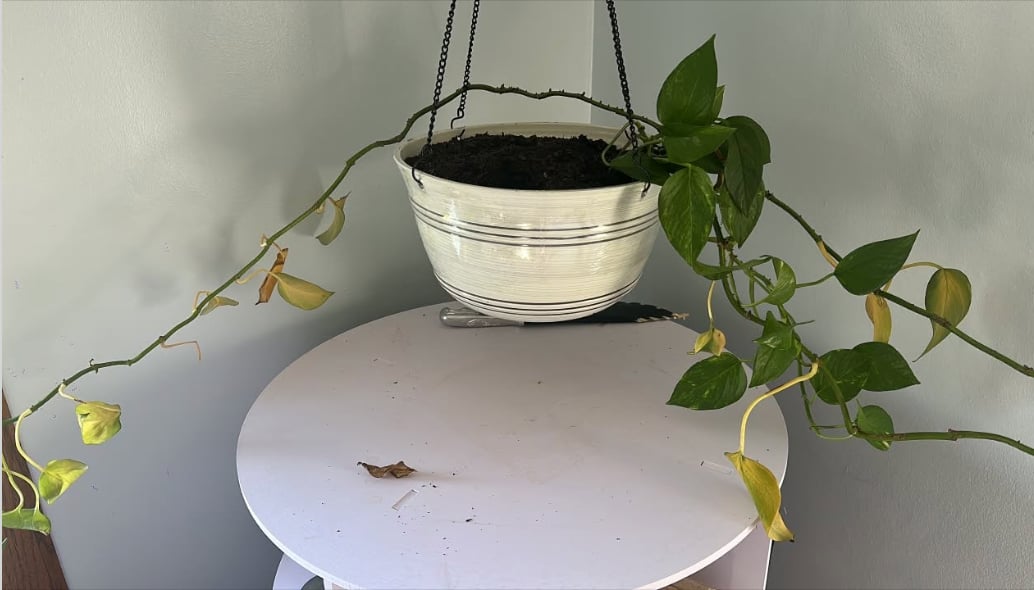
pothos (money plant)
Why are my pothos leaves turning yellow after repotting?
Those yellow leaves are most likely from stress after repotting plus soil that’s staying too wet. Check that the pot drains well, let the soil dry a bit between waterings, and trim off the worst yellow leaves.
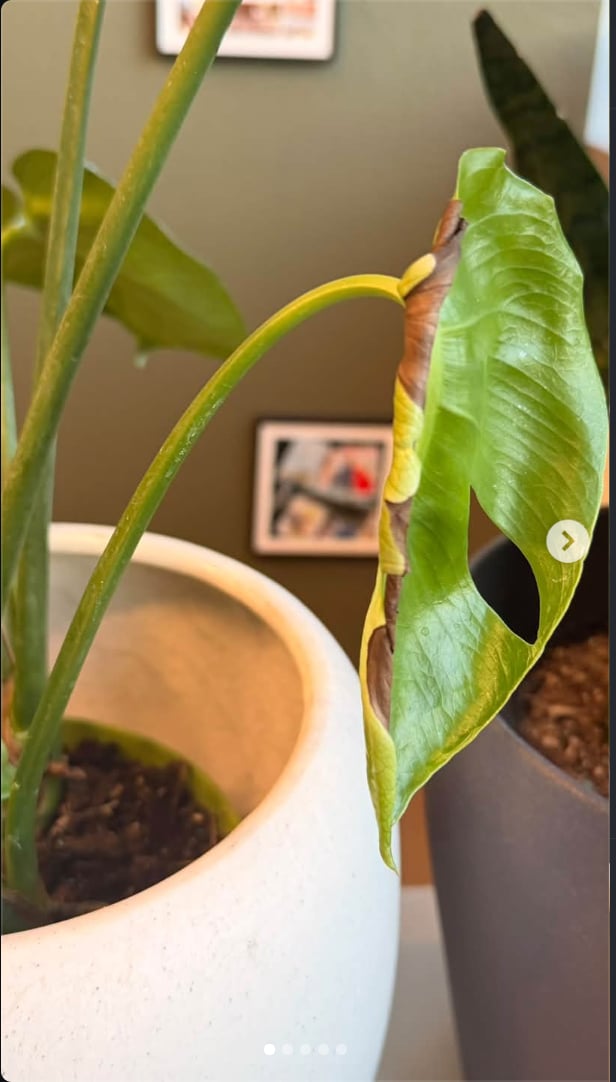
monstera
Why is my Monstera new leaf browning before it fully opens?
That brown edge on the new leaf is usually from stress while the leaf is still tightly rolled – most often low humidity, underwatering, or the leaf getting stuck and damaged. Check watering, light, and humidity, and focus on helping the next leaf grow in better.
How do I know when my plants need watering?
Most plants should be watered when the top layer of soil has dried out, not on a fixed schedule. Check the soil with your finger, lift the pot to feel the weight, and watch the leaves for early signs of thirst like slight drooping or dullness.
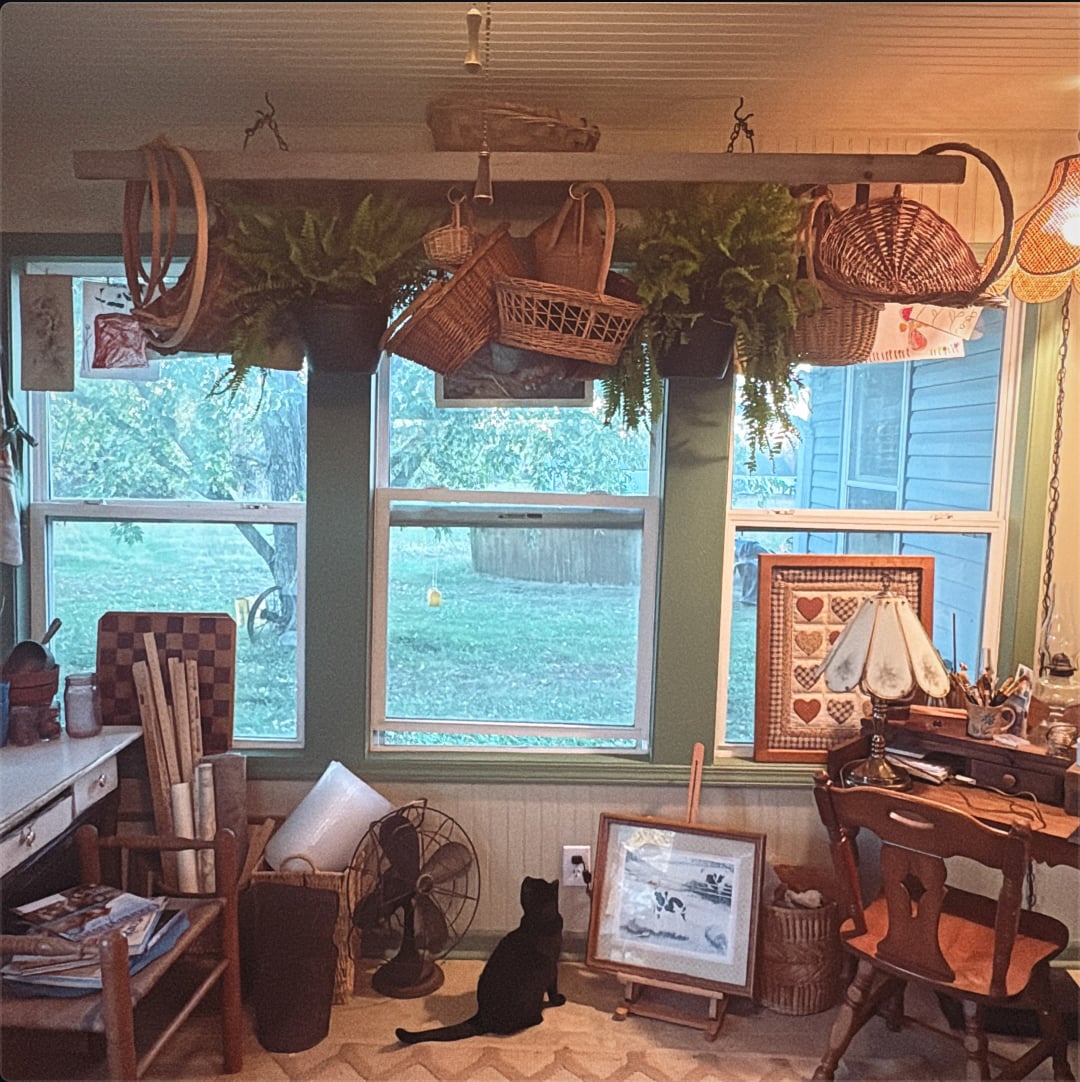
fern (likely Boston fern)
How do I overwinter hanging ferns in a bright sunroom?
That sunroom spot should work well if the ferns get bright but not harsh direct sun and the air isn’t too hot or dry. Indoors, water whenever the top of the soil just starts to feel dry, which is often about once a week but depends on your room’s temperature and humidity.