GrowPls
Plant questions
Real questions from home gardeners, the kind people post with a worried photo, answered by GrowPls: what's likely going on, what to do about it, and when to worry.
Showing questions tagged #overwatering · show all
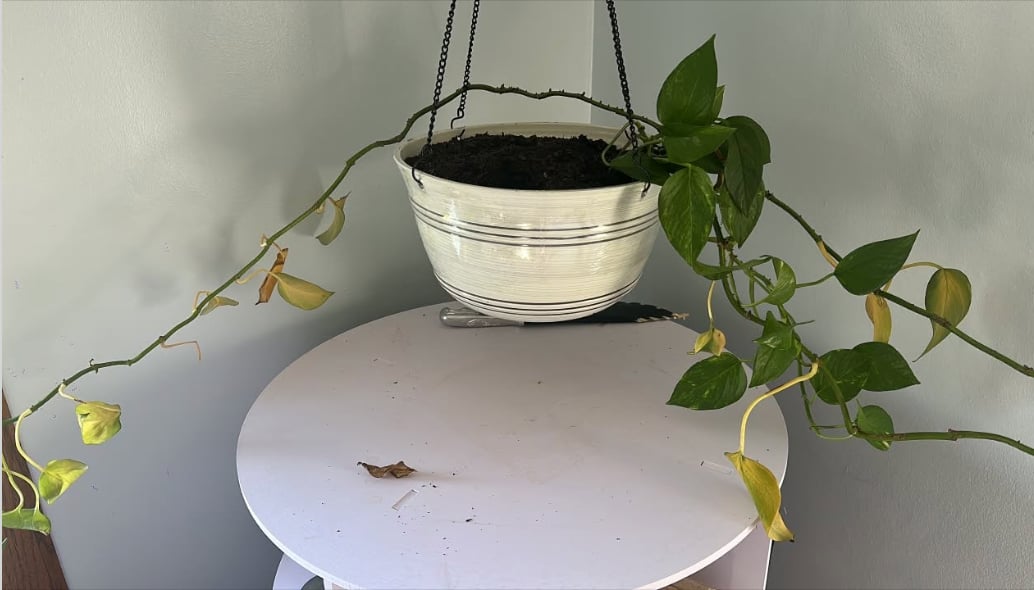
pothos (money plant)
Why are my pothos leaves turning yellow after repotting?
Those yellow leaves are most likely from stress after repotting plus soil that’s staying too wet. Check that the pot drains well, let the soil dry a bit between waterings, and trim off the worst yellow leaves.
How do I know when my plants need watering?
Most plants should be watered when the top layer of soil has dried out, not on a fixed schedule. Check the soil with your finger, lift the pot to feel the weight, and watch the leaves for early signs of thirst like slight drooping or dullness.
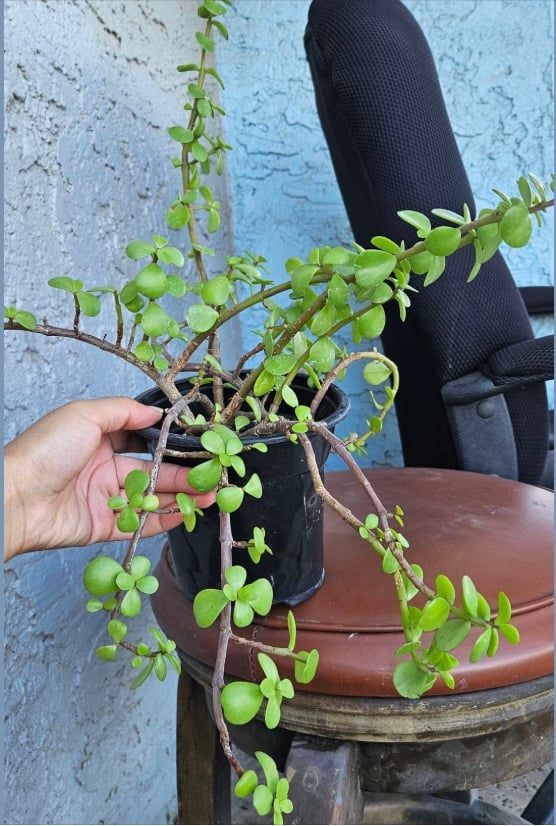
elephant bush
Why is my elephant bush (Portulacaria afra) droopy and losing leaves?
This elephant bush is most likely reacting to a change in light and watering, and it’s probably staying too wet in its current soil. Move it to brighter light, let it dry more between waterings, and consider repotting into a fast‑draining succulent mix.
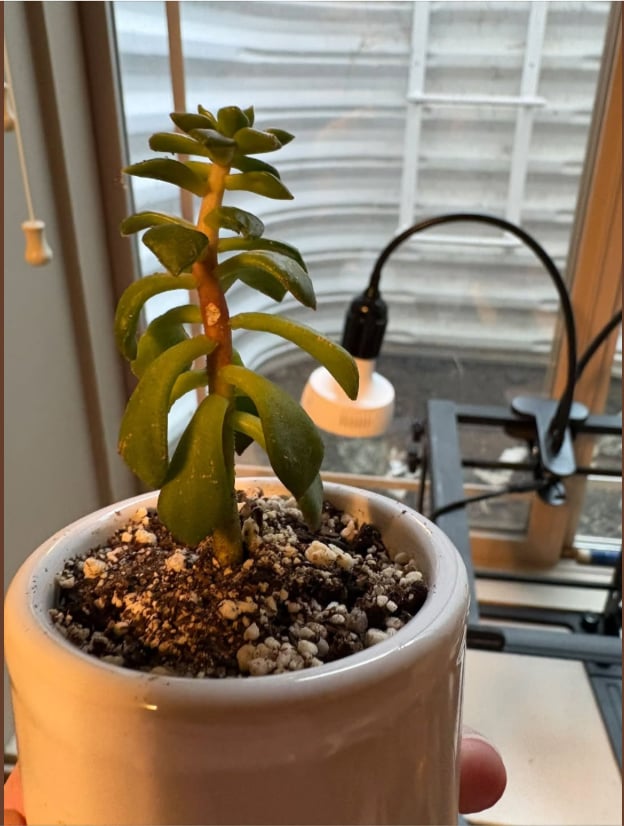
succulent
Is the red color on my succulent stem a sign of root rot?
That reddish stem alone doesn’t look like root rot; many succulents get red tones from light or age. Check the roots and the base of the stem for mushy, dark, smelly tissue and make sure the pot drains well to be safe.
How often should I water my houseplants?
There’s no one right schedule for all plants. Instead of watering once a week by habit, check the soil and water only when the top layer has dried to the level your specific plant prefers.
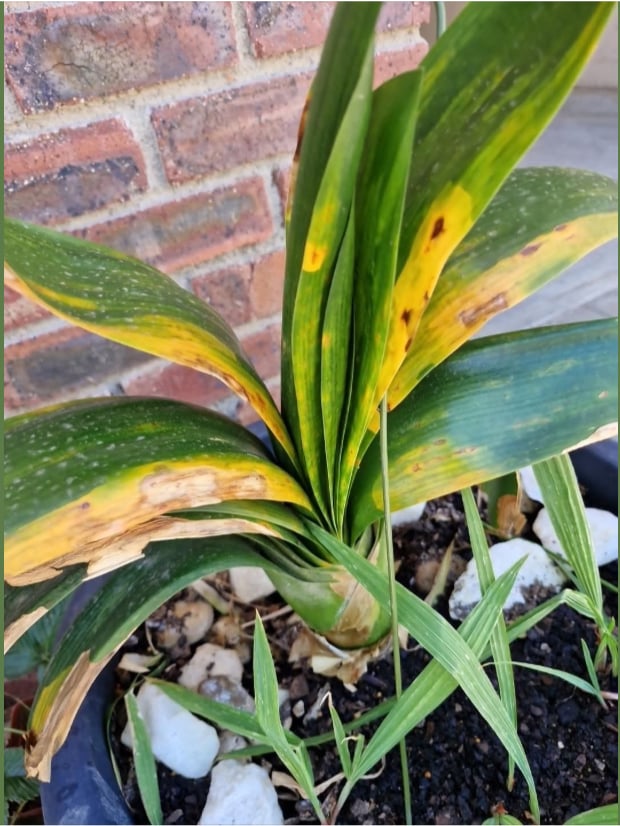
clivia
Why are my clivia leaves turning yellow with brown patches?
Those yellow leaves with crispy brown patches are most likely from stress: too much direct sun and/or watering issues causing leaf burn and weak roots. Move it to bright shade, adjust watering, and remove the worst damaged leaves so new healthy growth can replace them.
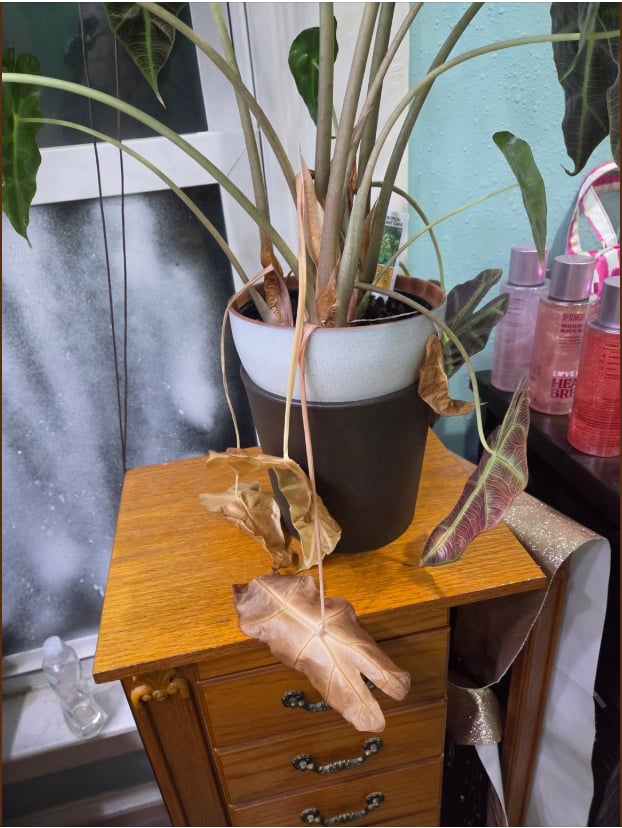
Alocasia (African mask/Polly type)
Why are the leaves on my Alocasia always drying up even though soil stays wet?
The soil staying constantly wet is likely causing root rot, so the plant can’t take up water and the leaves dry and die. Let the soil dry out between waterings, check for drainage holes, and repot into a well‑draining mix if the roots look mushy or black.
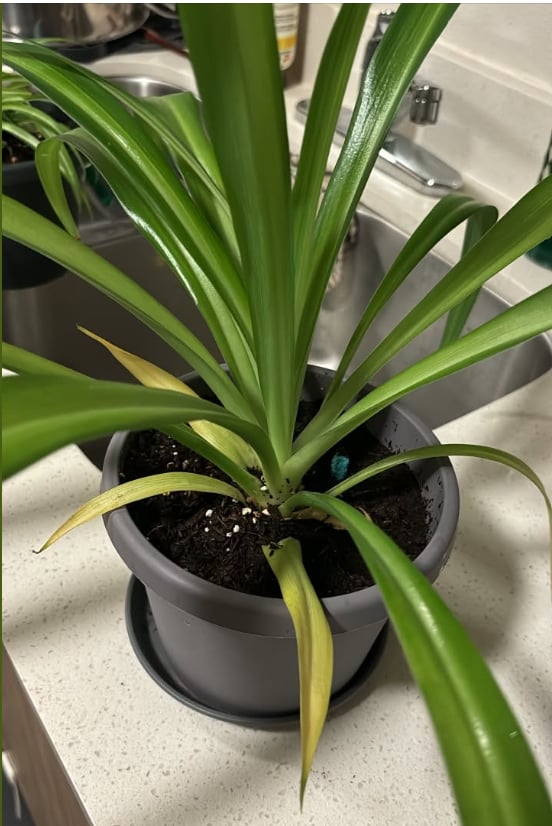
clivia
Why are the lower leaves on my clivia turning yellow?
The oldest leaves at the bottom are yellowing from either normal aging plus a bit of stress, usually from staying too wet on a windowsill. Let the top of the soil dry before watering again, empty the saucer, and remove the fully yellow leaves.
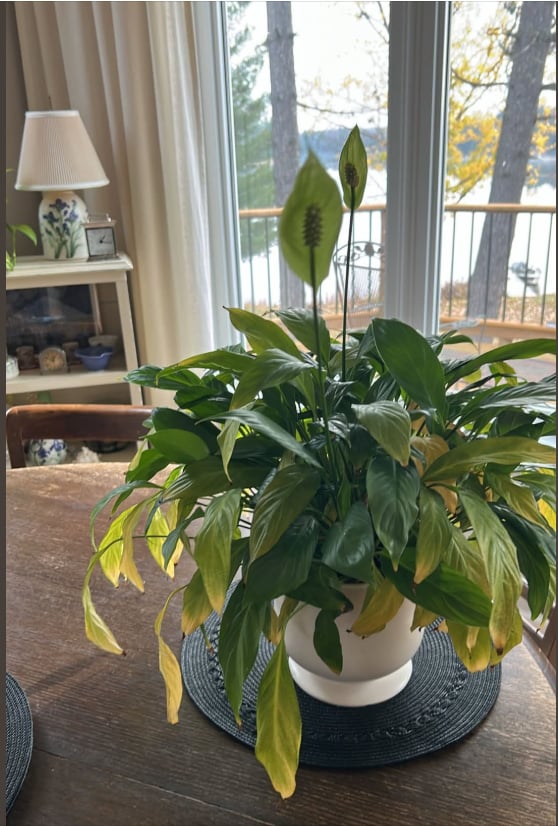
peace lily
Why are the leaves on my peace lily turning yellow?
This is a peace lily, and the yellow, droopy lower leaves are usually from watering problems—most often the roots staying too wet in a pot with poor drainage. Check for a drainage hole, let excess water run out, trim the worst leaves, and adjust watering so the top of the soil dries slightly between waterings.
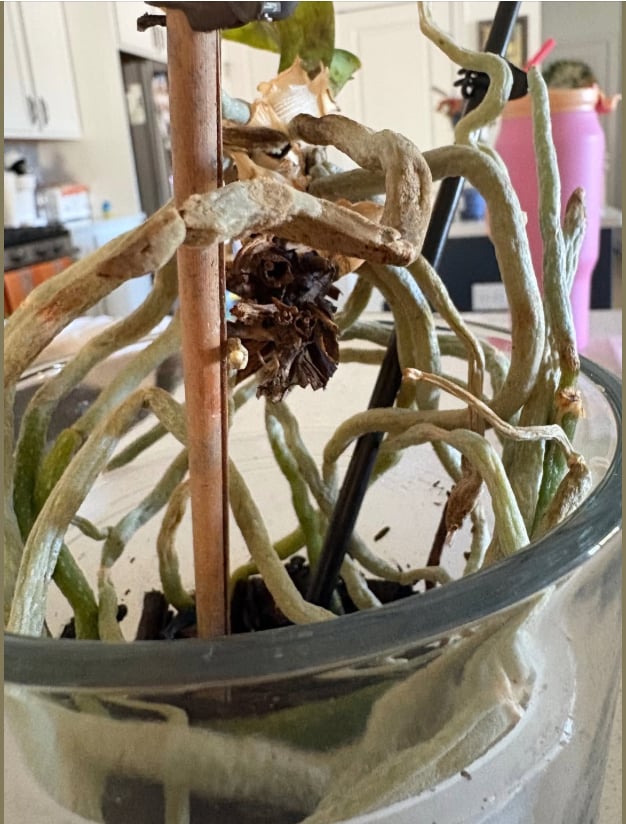
orchid
Does my orchid in a glass pot have root rot?
Yes, this orchid is suffering from severe root and possibly crown rot, made worse by sitting in a glass container with poor drainage. Take it out of the pot, cut away all mushy or hollow roots, and repot in fresh orchid bark with good drainage.
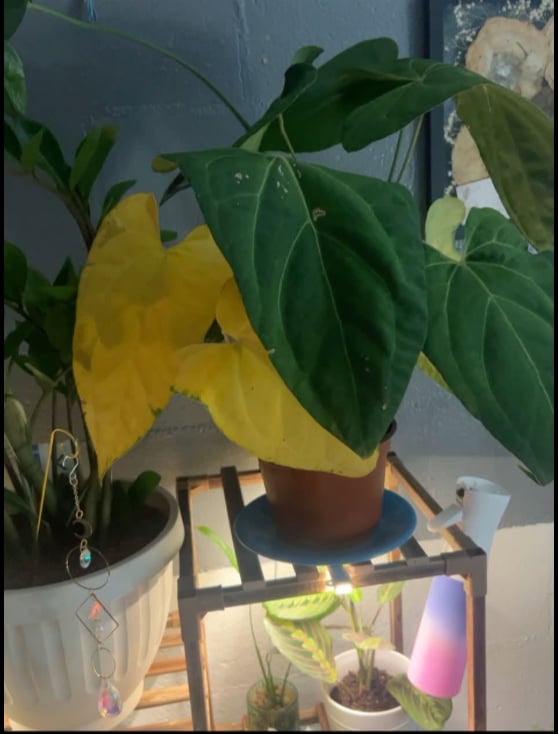
Why are the lower leaves of my houseplant turning bright yellow?
The oldest leaves are yellowing from stress, usually from watering issues plus lower light. Check that the pot drains freely, empty any standing water from the saucer, then adjust watering so the top of the soil dries slightly before you water again.
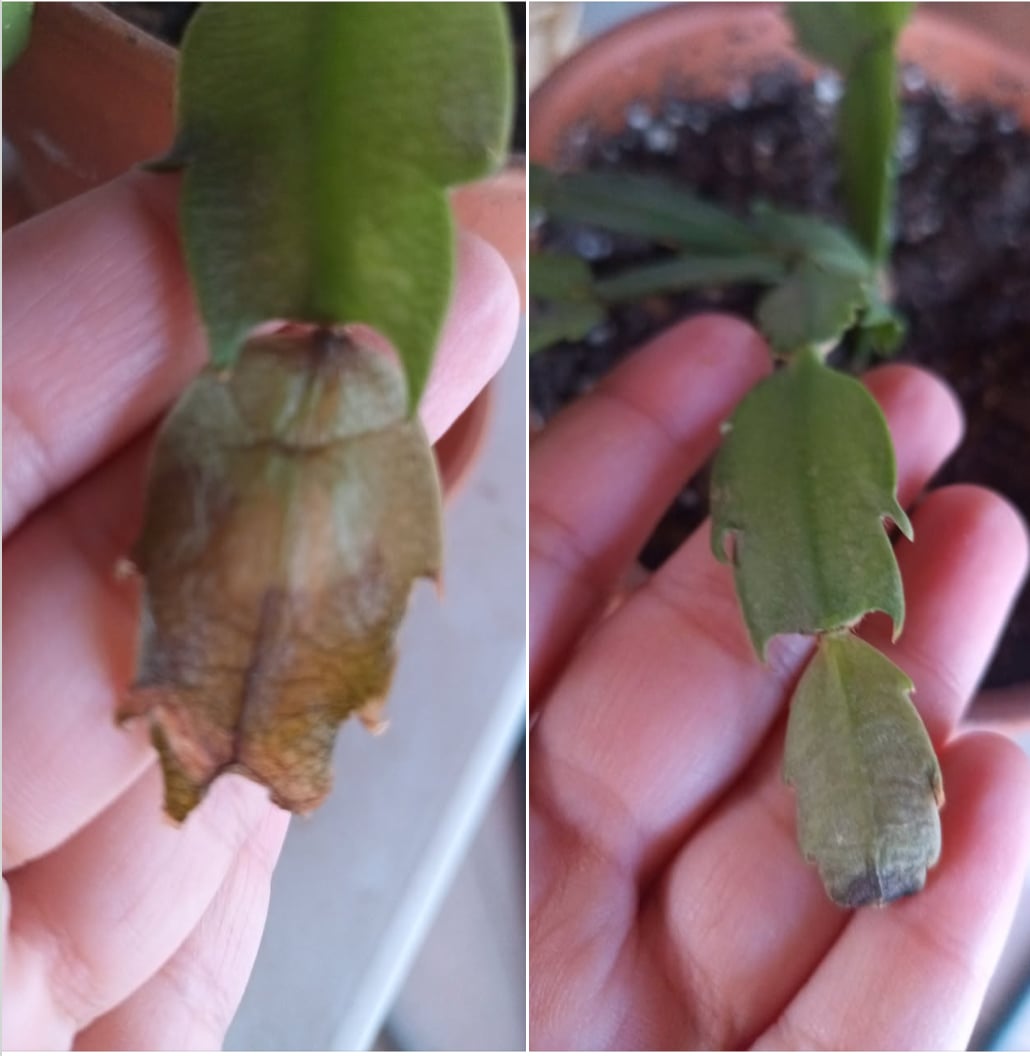
Christmas cactus
Why are the segment tips on my Christmas cactus cutting turning brown?
The brown, shriveling tips are most likely rot from staying too wet while the cutting is still weakly rooted, sometimes combined with strong sun. Check the roots, cut back to healthy tissue, and re-root the best pieces in a very well‑draining mix, watering only when the top dries.
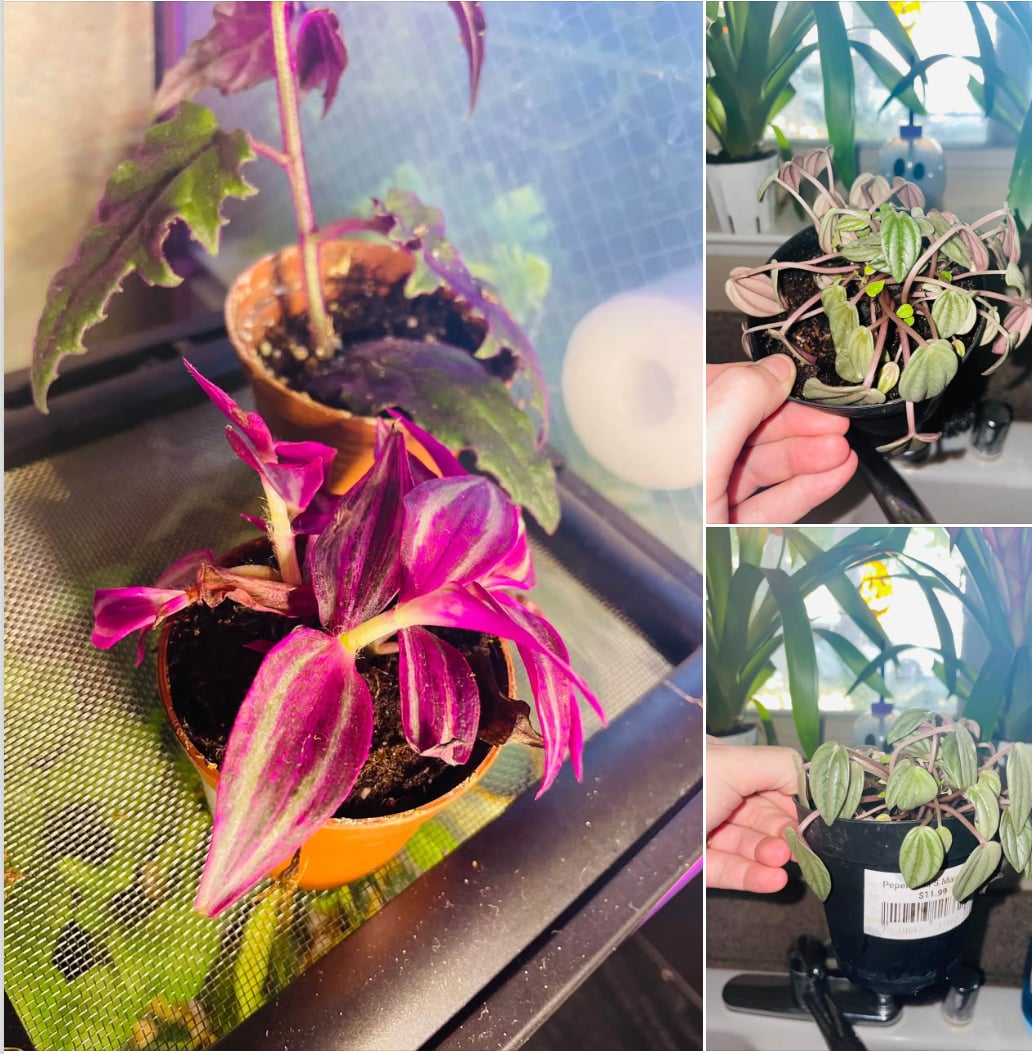
purple tradescantia and trailing peperomia
Why are my new purple Tradescantia and trailing peperomia wilting?
Both plants look stressed from the move home plus either too much water and/or too-strong light. Check the roots, repot into a free‑draining mix, give bright but indirect light, and only water when the top of the soil has dried.
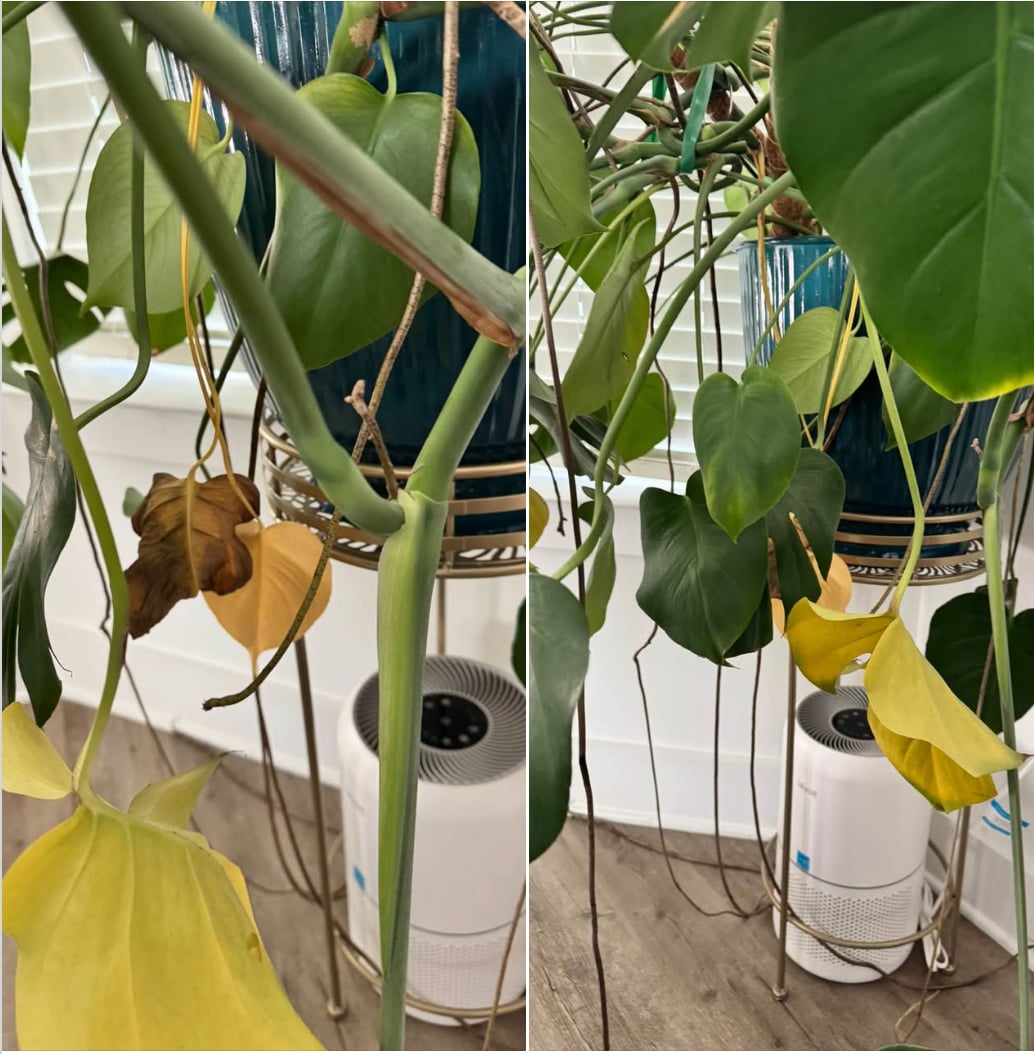
heartleaf philodendron
Why are the leaves on my heartleaf philodendron turning yellow and brown?
Those yellowing leaves are usually from watering issues plus normal aging of the oldest leaves. Check the soil and drainage, adjust your watering schedule, and remove the already-yellow leaves.
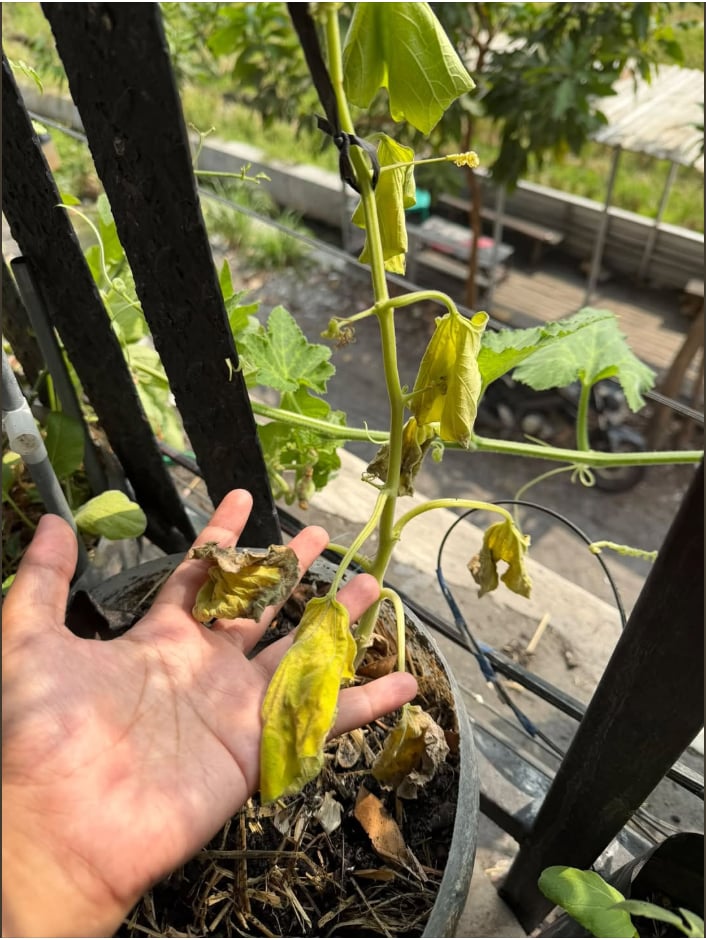
cucumber or other cucurbit vine
Why are the leaves on my potted vine turning yellow and crispy even with daily watering?
Those yellow, crispy leaves are usually from stressed roots – often a mix of overwatering in a small pot plus strong sun and poor soil. Let the top of the soil dry before watering, improve drainage, and trim the dead leaves so the plant can try to recover.
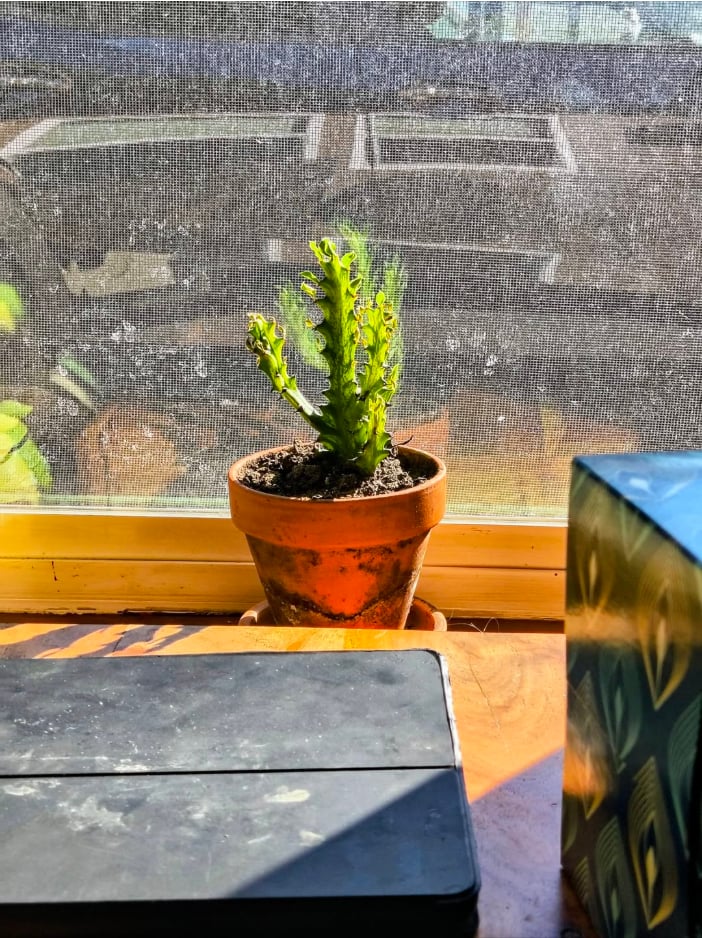
euphorbia (succulent type)
How often should I water this small succulent/euphorbia?
This is a succulent-type euphorbia, so water deeply but only when the soil is completely dry, then let it drain fully. In bright indoor light, that usually means about every 10–21 days, adjusting with the seasons and always checking the soil instead of the calendar.
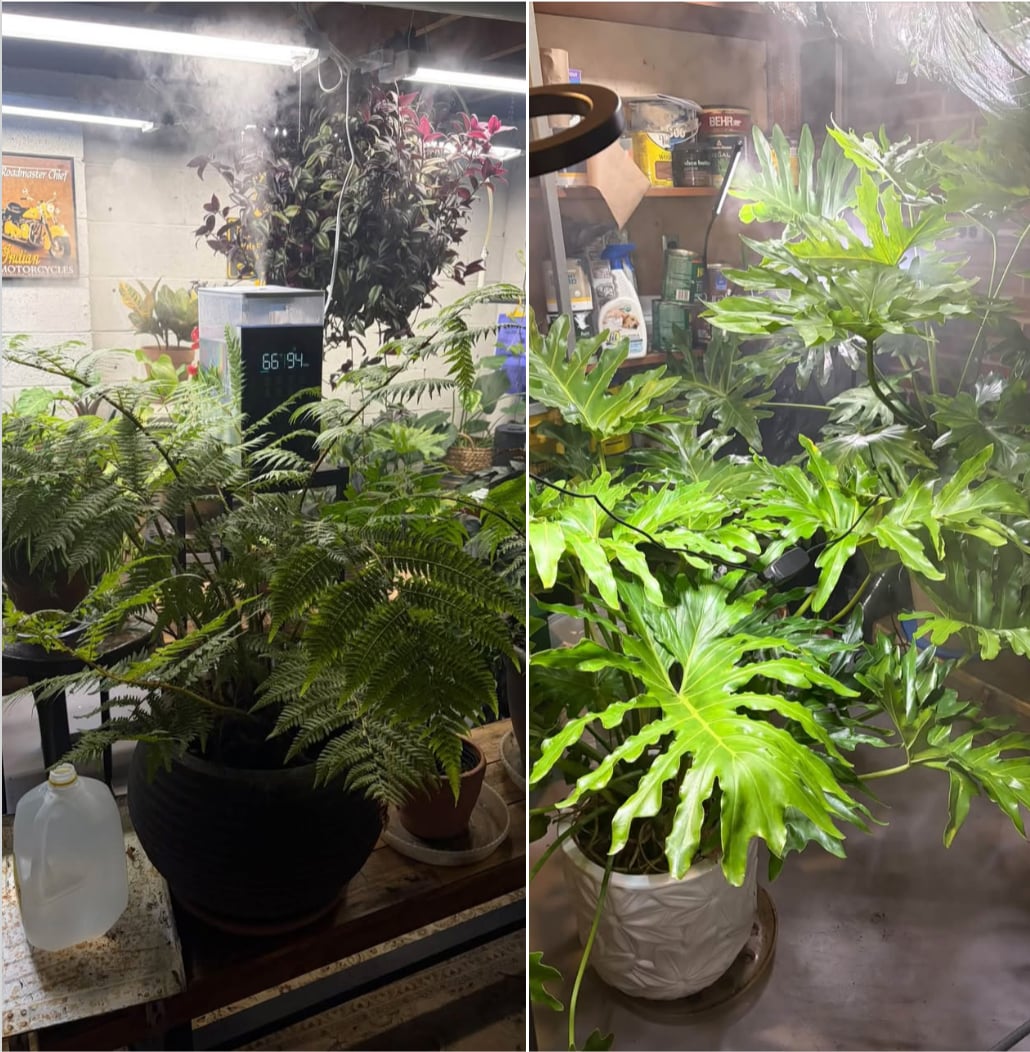
How often should I water basement houseplants under grow lights?
In a basement with strong grow lights and 24‑hour humidifiers, water only when the top 2–5 cm (1–2 inches) of soil are dry, then water thoroughly until it drains out the bottom. Don’t water on a schedule—let the soil dryness, pot size, and plant type guide you, and consider running the humidifier less so the soil can dry between waterings.
How often should I water my plants in winter?
Most plants need much less water in winter—often about half as often as in summer. Check the soil with your finger and only water when the top layer feels dry, instead of following a fixed schedule.
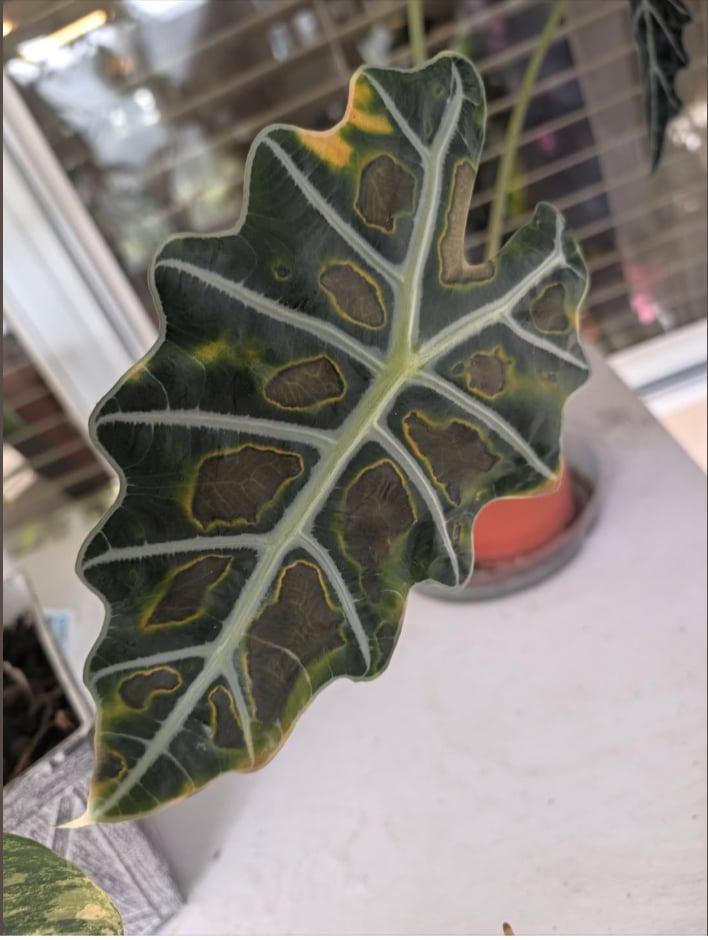
Alocasia (African mask / Alocasia x amazonica)
Why are my Alocasia (African mask) leaves getting yellow and brown patches?
Those yellow and brown patches are usually from stress to the roots and leaf tissue, most often from inconsistent or heavy watering plus strong light or low humidity. Check the roots and soil moisture, adjust watering, and move the plant to bright filtered light with higher humidity.
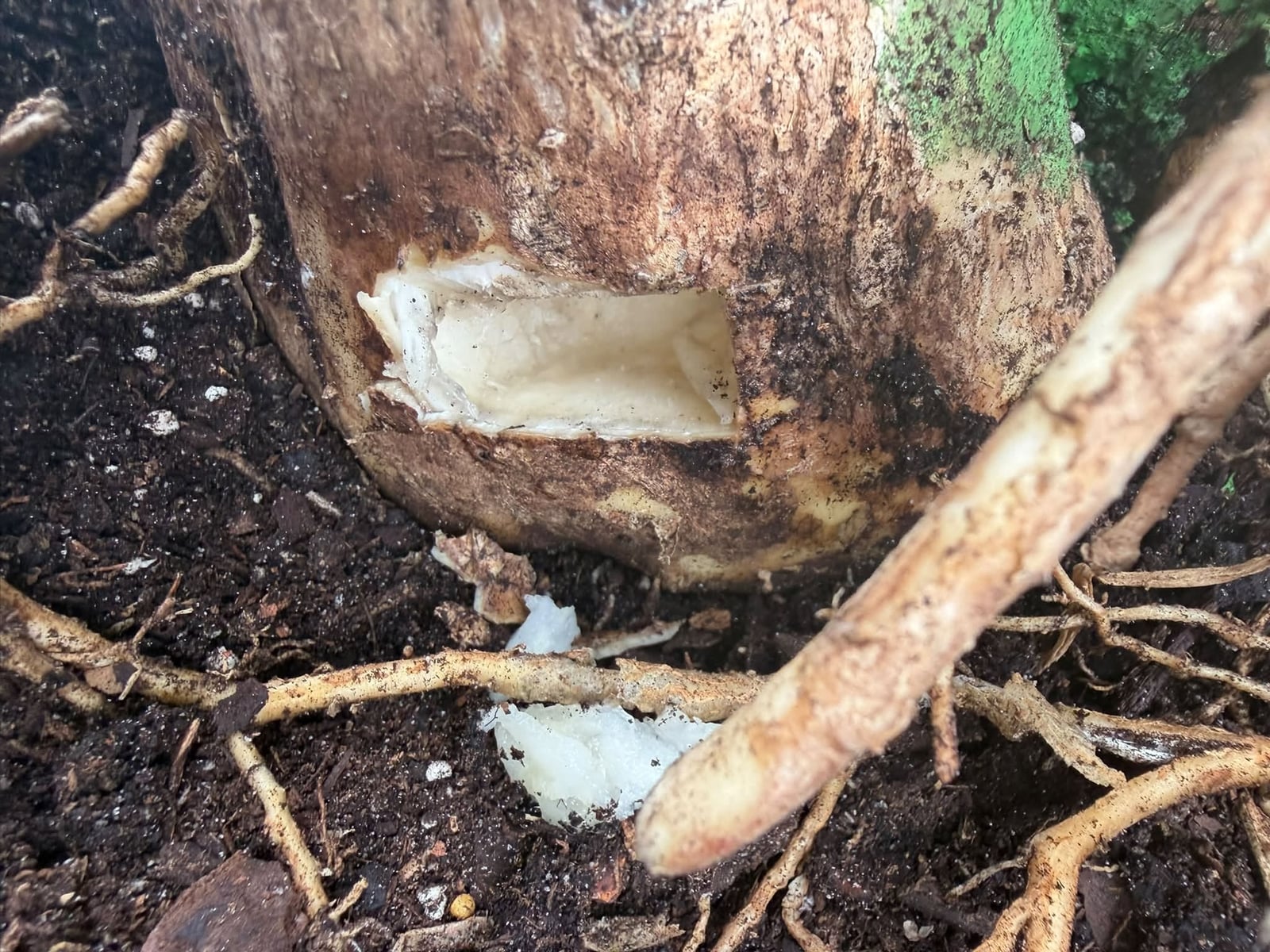
plumeria (frangipani)
How can I tell if my plumeria roots are rotting and when should I cut them?
Yes, that tissue is likely starting to rot from staying too wet. Cut back to firm, clean, white tissue as soon as the soil has a few dry days, then improve drainage so the area doesn’t stay waterlogged after heavy rain.
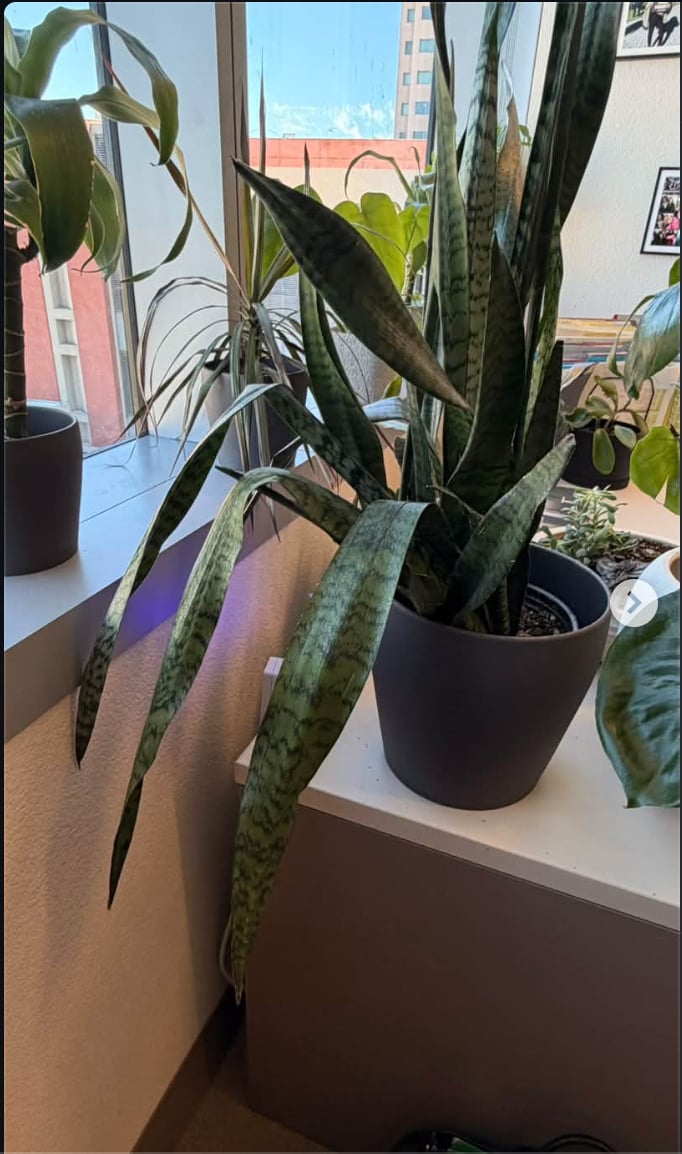
snake plant
Why are my snake plant leaves bending and flopping over?
Snake plant leaves usually flop when they’re older, stretched from low light, or when roots are stressed by overwatering. Check that the roots are firm and the soil dries out fully between waterings, then give it a bit more light and support the heaviest leaves.
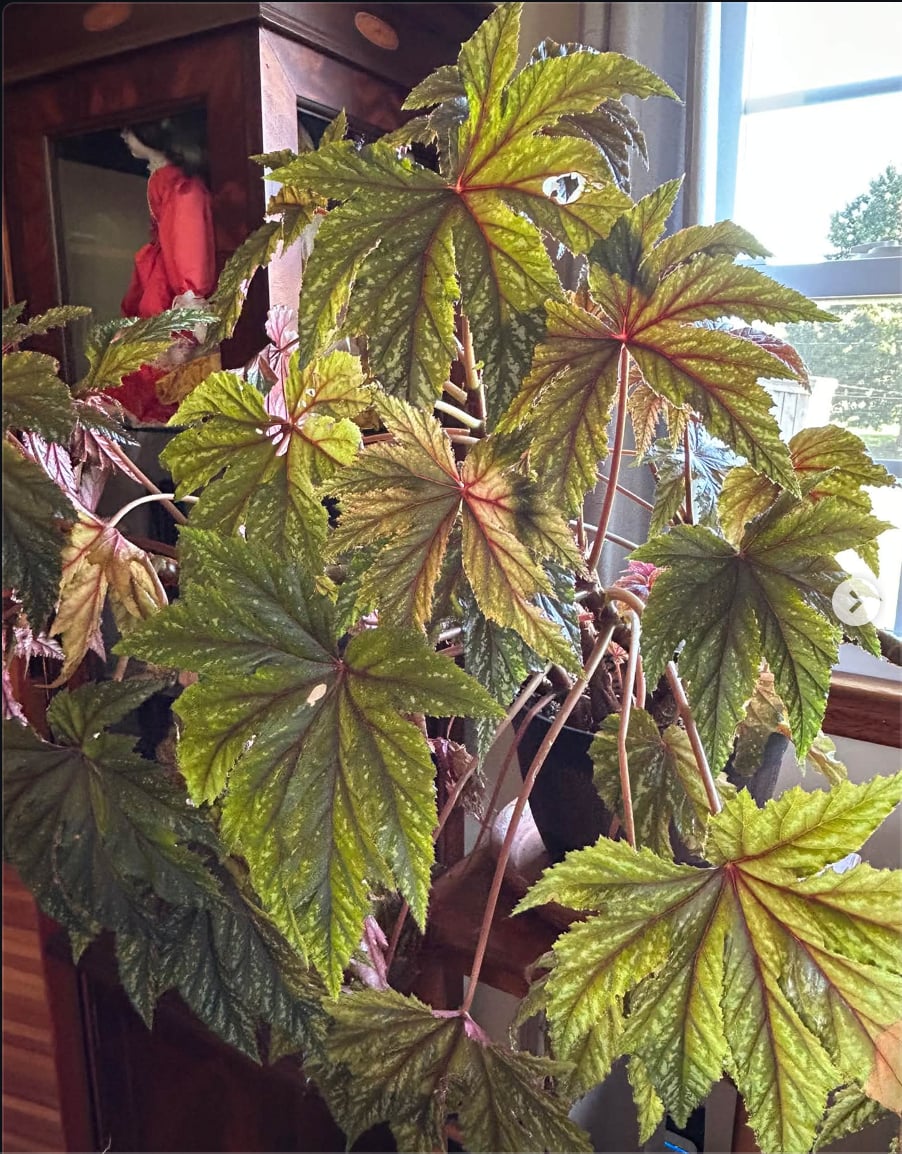
begonia
Why is my begonia dropping leaves after bringing it indoors?
The sudden move from outdoors to indoors has likely shocked the begonia, and the new light, temperature and watering routine are causing leaf drop. Give it bright indirect light, adjust watering so the top of the soil dries slightly between waterings, and trim any dead or mushy stems so it can regrow.
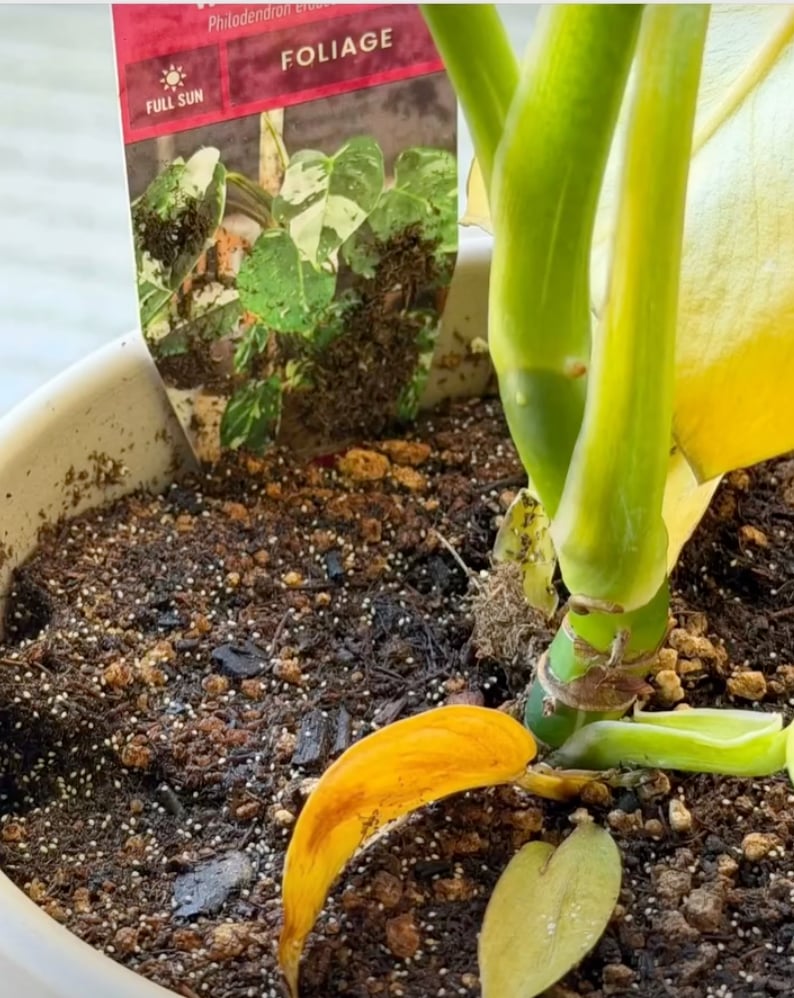
philodendron
What are the tiny bugs in my philodendron potting soil?
Those look like moisture‑loving soil pests such as fungus gnats (or possibly springtails). Let the top of the soil dry out, add yellow sticky traps, and consider repotting into fresh, well‑draining mix if they’re heavy.
Got a question about your own plant?
Snap a photo and ask GrowPls. It remembers each plant's history. Free on iPhone and Android.