
Monstera adansonii (Swiss cheese vine) · Asked on Facebook · 2 November 2026
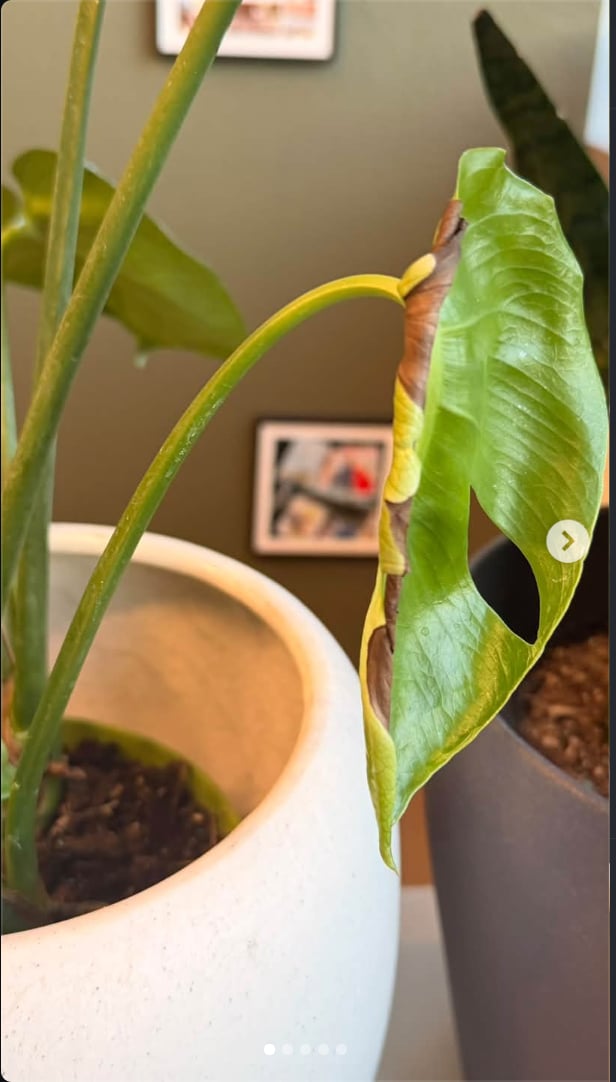
Why are the leaves of my Monstera adansonii browning and getting crispy?
Those brown, crispy edges and patches are most likely from leaf burn and general stress, usually a mix of too much direct sun and uneven watering. Move it to bright shade, water more evenly, trim the worst leaves, and it should grow healthier new foliage.
The question
“Can anyone explain why the leaves are like this, what should I do?”
What's likely going on
From the photo, this looks like a Monstera adansonii (Swiss cheese vine). The natural holes in the leaves are normal, but these leaves also show:
- Brown, crispy edges and tips
- Some larger brown patches starting from the edge
- Older leaves looking dull and a bit tired
From just a photo, several things can cause this pattern, often together:
- Leaf burn from strong sun or heat. When this plant sits in hot direct sun (especially afternoon sun), the thin leaves scorch, starting at the edges and turning dry and brown.
- Uneven watering or drying out too much. If the soil swings from very dry to very wet, the leaf tips and edges often die back.
- Low humidity or wind. Dry air or strong breeze dehydrates the leaf edges.
- Less likely but possible: fertilizer burn or salty water, which also shows as brown, crispy margins.
The damage you see is permanent, but the plant can grow fresh, healthy leaves once conditions improve.
What to do
- Adjust the light. Move the pot to bright, indirect light – near a bright window or outdoors in dappled shade. Avoid strong midday/afternoon sun hitting the leaves directly.
- Check the soil and watering. Use a finger to test: water when the top 2–3 cm are dry, then water thoroughly until it drains out. Don’t let it stay soggy, but also don’t let it go bone-dry for days.
- Improve humidity if you can. Group it with other plants, place a tray of water with pebbles nearby, or keep it away from fans and very dry air.
- Trim damaged parts. With clean scissors, cut off the dead brown sections or remove whole leaves that are mostly brown. This won’t fix the damage but will tidy the plant and encourage new growth.
- Review feeding. If you’ve been fertilizing heavily, flush the pot by watering generously once or twice, then feed lightly (about half strength) only once a month during active growth.
How to prevent it
- Keep this plant in bright, filtered light, not harsh sun.
- Maintain a steady watering routine so the soil is lightly moist but not waterlogged.
- Use a well‑draining mix (potting soil plus some cocopeat and perlite or sand) so roots get air.
- Protect from hot walls, reflective surfaces, and strong drying winds.
When to worry
- If new leaves are also coming in brown, deformed, or very small, check the roots for rot or extreme dryness.
- If you see soft black spots, mushy stems, or a bad smell from the soil, that suggests rot from overwatering – repot into fresh, drier mix.
- If tiny insects or webs are present, treat as a pest issue before it spreads.
If new leaves start looking greener and clean-edged, the problem has been solved, and the old damaged leaves can be gradually removed.
Answered by the GrowPls assistant. Every plant and room is different; if things don't improve, a clear close-up photo of the affected part is the fastest way to a better answer.
Related questions
monstera
Why is my Monstera new leaf browning before it fully opens?
That brown edge on the new leaf is usually from stress while the leaf is still tightly rolled – most often low humidity, underwatering, or the leaf getting stuck and damaged. Check watering, light, and humidity, and focus on helping the next leaf grow in better.
How do I know when my plants need watering?
Most plants should be watered when the top layer of soil has dried out, not on a fixed schedule. Check the soil with your finger, lift the pot to feel the weight, and watch the leaves for early signs of thirst like slight drooping or dullness.
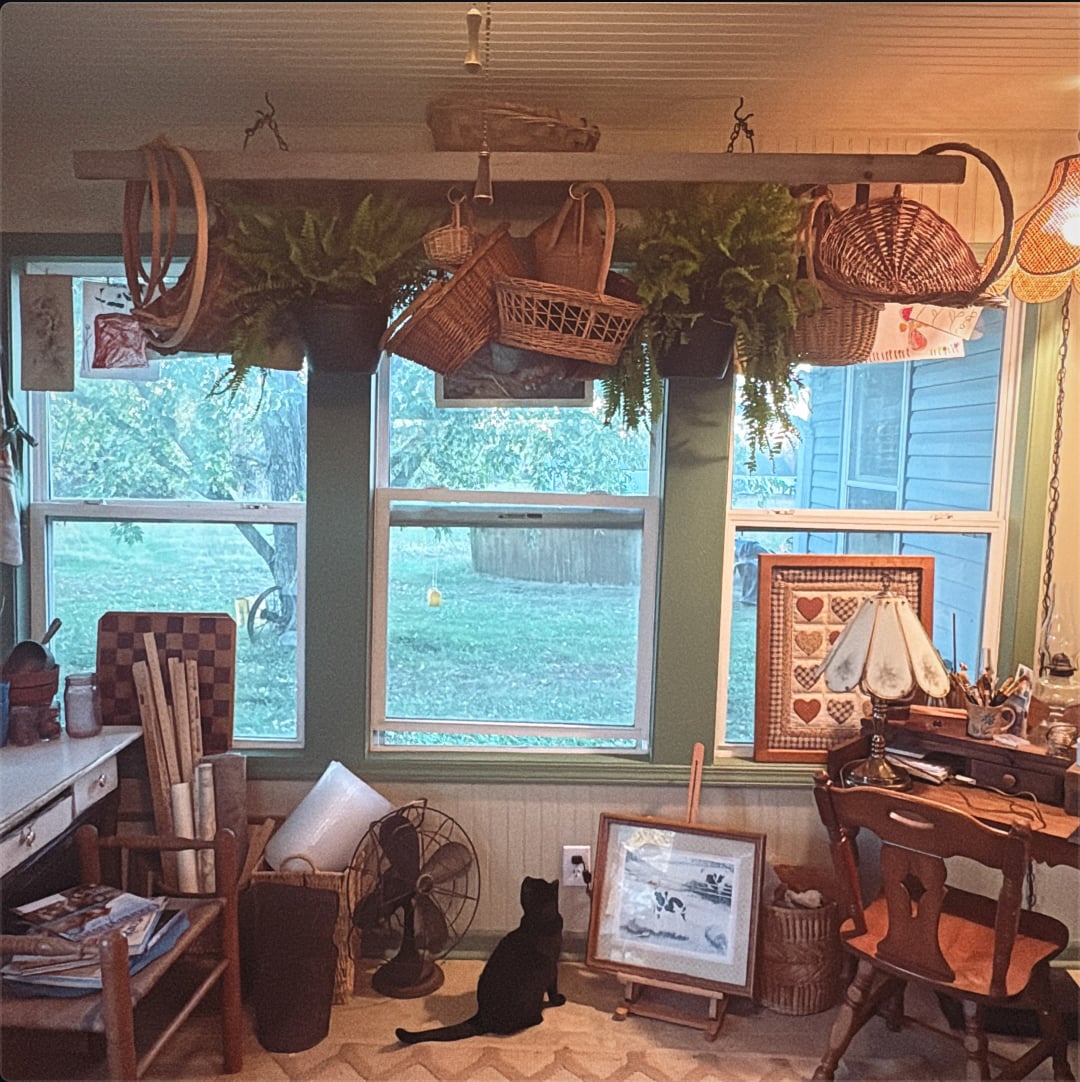
fern (likely Boston fern)
How do I overwinter hanging ferns in a bright sunroom?
That sunroom spot should work well if the ferns get bright but not harsh direct sun and the air isn’t too hot or dry. Indoors, water whenever the top of the soil just starts to feel dry, which is often about once a week but depends on your room’s temperature and humidity.
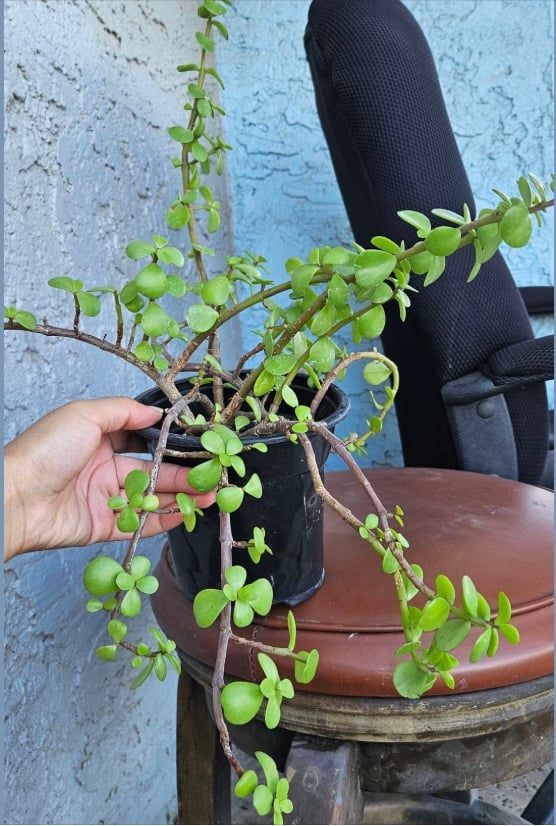
elephant bush
Why is my elephant bush (Portulacaria afra) droopy and losing leaves?
This elephant bush is most likely reacting to a change in light and watering, and it’s probably staying too wet in its current soil. Move it to brighter light, let it dry more between waterings, and consider repotting into a fast‑draining succulent mix.