
Alocasia (elephant ear type) · Asked on Facebook · 2 November 2026
Why are the leaves on my Alocasia turning brown and yellow at the edges?
Those crispy brown edges and yellowing leaves are usually from stress: too much direct sun and/or watering issues, especially after a recent repot. Move it to bright shade, keep the soil evenly moist (not soggy), and let it recover without extra fertilizer for a while.
The question
“Hello i need help with my plant 🌱 can you guys tell me what im doing wrong?”
What's likely going on
From the photos, the plant looks like an Alocasia (elephant ear type). The leaves show:
- Brown, crispy patches and edges on older leaves
- One leaf turning yellow from the base
- Very fresh-looking potting mix and spilled soil, suggesting a recent repot
What can cause this:
- Sunburn / heat stress – Alocasias like bright light but not harsh midday sun. Brown, dry patches on the leaf surface and edges often happen when they get more direct sun than they were used to.
- Watering stress after repotting – A big pot with fresh soil can stay wet for a long time. If it’s kept too wet, roots struggle; if it dries hard between waterings, the edges crisp. Both can make older leaves yellow and die back.
- Normal old-leaf shed plus shock – Alocasias regularly drop older leaves. After a move or repot, they often sacrifice one or two while new ones adjust.
What to do
Adjust the light
Move the plant to bright, indirect light: a spot with filtered sun or only gentle morning sun.Check the pot and drainage
Make sure there are drainage holes. If water pools at the bottom, tilt the pot slightly and let excess drain off.Water correctly
Feel the top 2–3 cm of soil. Water only when this layer is dry, then water thoroughly until it drains out. Don’t let it sit in a saucer of water.Skip heavy feeding for now
If you recently fertilized, stop for 4–6 weeks. Extra fertilizer in fresh soil can burn roots.Trim damaged parts
You can cut off completely brown leaves at the base. For leaves with just brown tips/edges, trim the brown parts off with clean scissors for looks; the damage won’t heal but won’t spread if the cause is fixed.
How to prevent it
- Keep Alocasia in bright, filtered light rather than strong afternoon sun.
- Use a well‑draining mix (potting soil with added perlite or coco chips) in a pot only a bit bigger than the root ball.
- Maintain steady moisture—never bone dry for long, never waterlogged.
- Introduce outdoor conditions slowly: a week or two in shade before more light.
When to worry
- New leaves come out small, deformed, or immediately yellow.
- Stems or the base feel soft and mushy, or the soil smells rotten (sign of root rot).
- Yellowing spreads quickly to several leaves at once.
If that happens, unpot gently, trim any black, mushy roots, repot into fresh, airy soil, and keep in a shaded, warm spot while it recovers. Alocasias are tough and usually bounce back once conditions are right.
Answered by the GrowPls assistant. Every plant and room is different; if things don't improve, a clear close-up photo of the affected part is the fastest way to a better answer.
Related questions
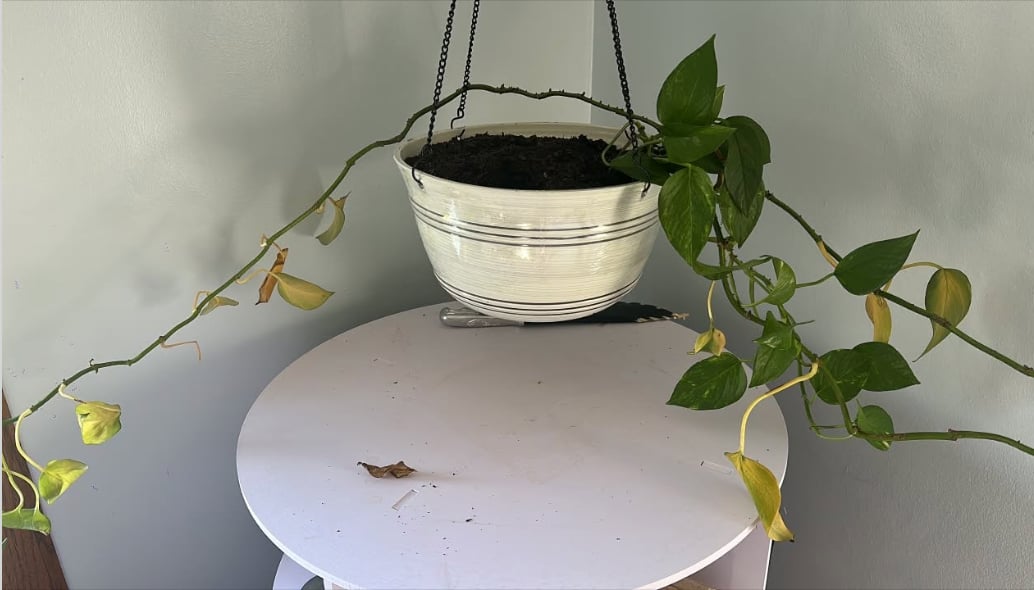
pothos (money plant)
Why are my pothos leaves turning yellow after repotting?
Those yellow leaves are most likely from stress after repotting plus soil that’s staying too wet. Check that the pot drains well, let the soil dry a bit between waterings, and trim off the worst yellow leaves.
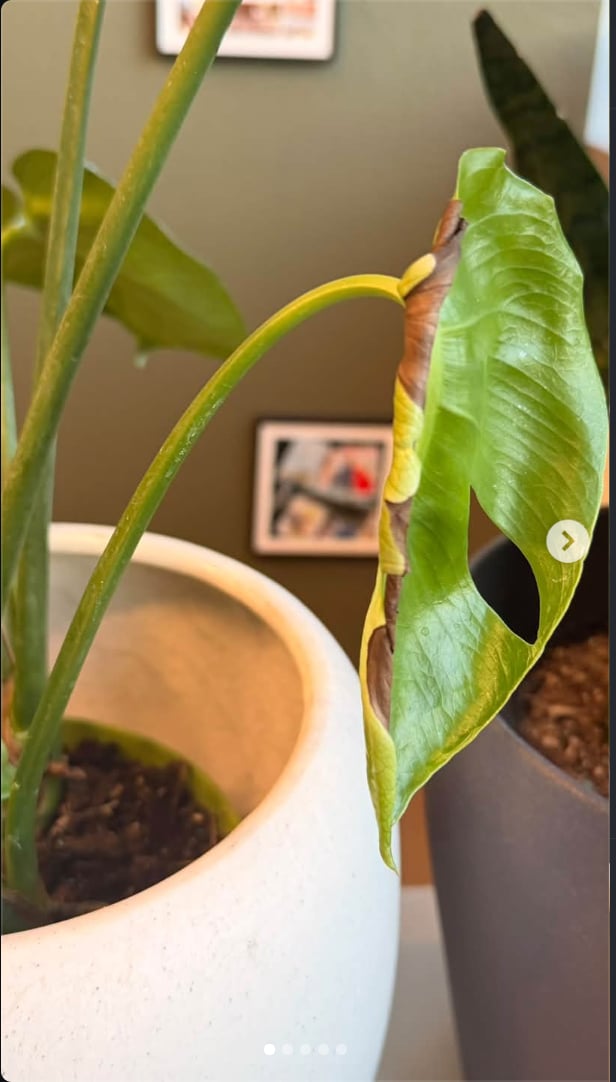
monstera
Why is my Monstera new leaf browning before it fully opens?
That brown edge on the new leaf is usually from stress while the leaf is still tightly rolled – most often low humidity, underwatering, or the leaf getting stuck and damaged. Check watering, light, and humidity, and focus on helping the next leaf grow in better.
How do I know when my plants need watering?
Most plants should be watered when the top layer of soil has dried out, not on a fixed schedule. Check the soil with your finger, lift the pot to feel the weight, and watch the leaves for early signs of thirst like slight drooping or dullness.
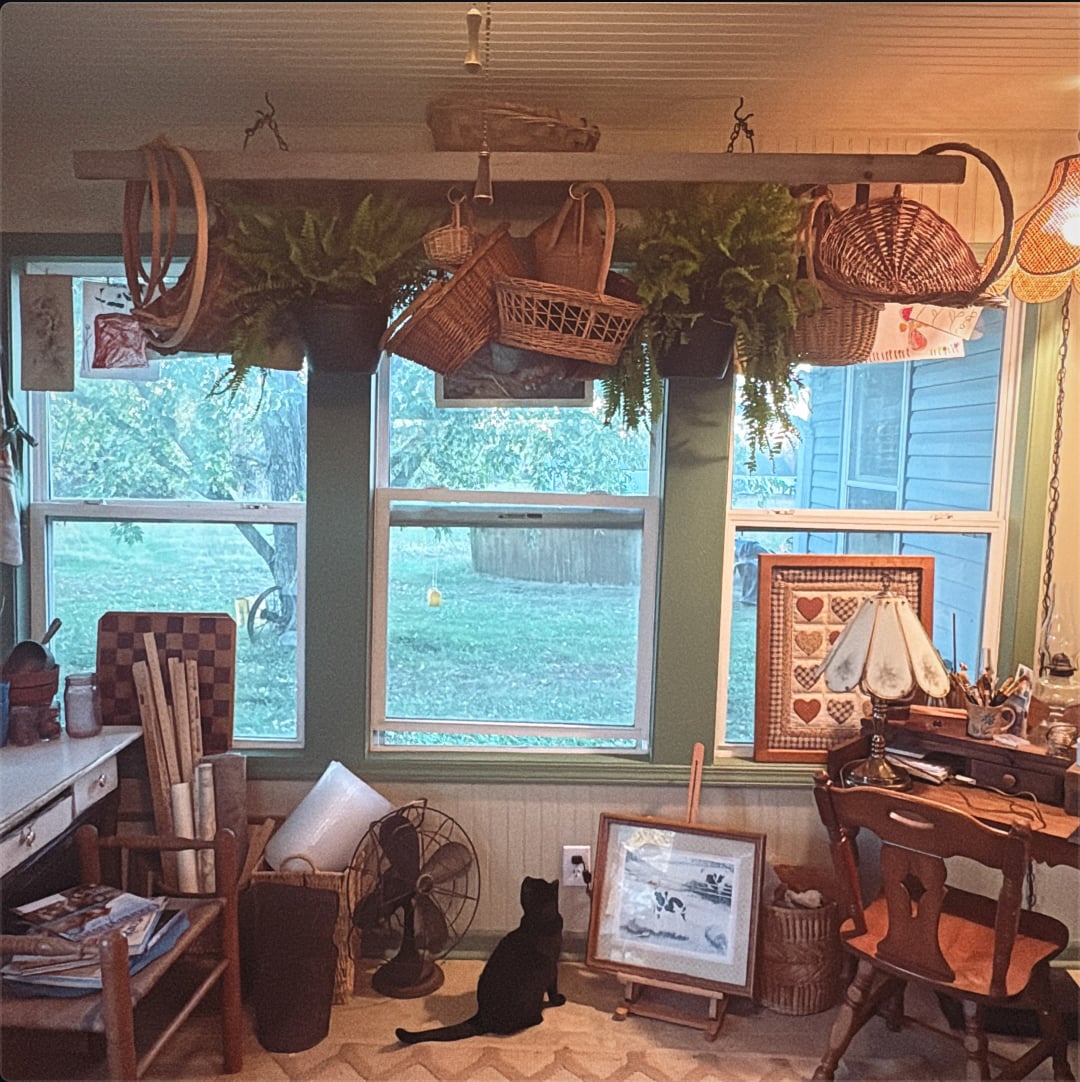
fern (likely Boston fern)
How do I overwinter hanging ferns in a bright sunroom?
That sunroom spot should work well if the ferns get bright but not harsh direct sun and the air isn’t too hot or dry. Indoors, water whenever the top of the soil just starts to feel dry, which is often about once a week but depends on your room’s temperature and humidity.