
sago palm · Asked on Instagram · 2 November 2026
Why are the new leaves on my sago palm so curly?
Those curly, soft fronds are just new growth on a sago palm. They naturally emerge tightly coiled and will slowly straighten and stiffen over a few weeks if the plant is healthy.
The question
“Why are the new leaves so curly”
What's likely going on
The plant in the photo is a sago palm (Cycas revoluta). What you’re seeing in the center is a fresh "flush" of new fronds.
New sago fronds always come out very soft and tightly curled. They look a bit like green noodles or ferns at first. Over the next few weeks, as they get more sun and harden, they gradually unroll, lengthen, and stiffen into the normal flat, feather‑shaped leaves.
From the photo, the curliness looks consistent across all the new fronds, which usually means normal development, not a disease. Problems to watch for instead would be:
- Very twisted or stunted fronds only on one side (often cold, herbicide, or physical damage to the crown)
- Brown or black patches, sticky residue, or white bumps (pest issues like scale)
If you don’t see any of those, it’s almost certainly just the plant doing what it should.
What to do
Give it time
Leave the new fronds alone for at least 3–4 weeks. They should slowly straighten and firm up.Avoid touching or tying them
New fronds are delicate. Bending or tying them can cause permanent kinks or breakage.Check light and water
- Best: bright sun to light shade.
- Water when the top soil feels dry; don’t let the pot or bed stay soggy.
Inspect for pests just in case
Look closely along the fronds and at the crown for tiny brown or white bumps (scale insects) or sticky residue. If present, wipe with soapy water or neem oil, keeping pets away from treated parts until dry.
How to prevent it
- Keep the plant in a stable, bright spot; avoid big swings in water, fertilizer, or temperature around the time new fronds emerge.
- Use a balanced, slow‑release fertilizer once or twice a year in the growing season to support strong, even growth.
- Protect the crown from physical damage (kids, pets, lawn tools), especially when new fronds are just coming out.
When to worry
- The new fronds stay limp, twisted, or yellow/brown instead of turning firm green.
- Only part of the crown produces deformed fronds while the rest looks normal.
- You see lots of scale insects or rot at the center.
If any of that happens, stop fertilizing, improve drainage, and consider a targeted pest treatment or local garden advice. Otherwise, those curly leaves should soon look like the rest of the palm.
Answered by the GrowPls assistant. Every plant and room is different; if things don't improve, a clear close-up photo of the affected part is the fastest way to a better answer.
Related questions
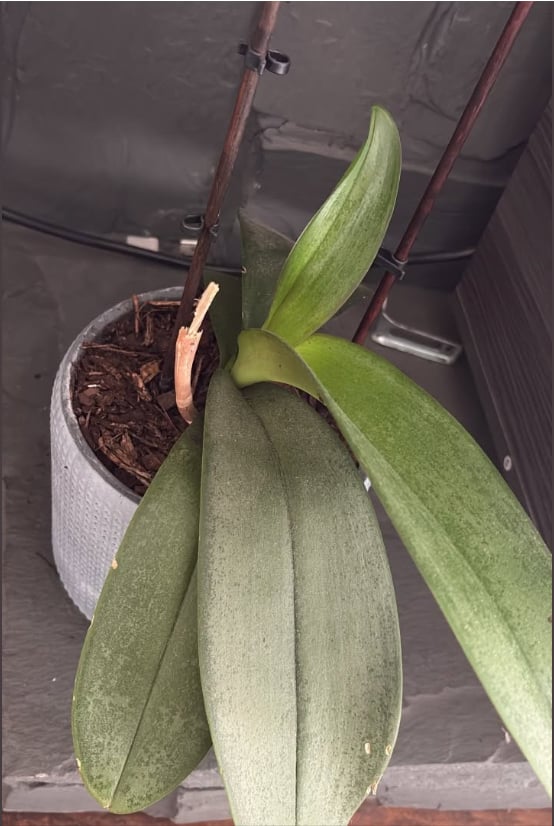
moth orchid (Phalaenopsis)
Why hasn’t my orchid flowered again for a year?
This moth orchid looks healthy enough but likely isn’t getting the right mix of bright light, feeding, and a slight temperature drop that triggers new flower spikes. Improve light, start regular orchid fertilizer, and give it a cooler, brighter spot for a few weeks to encourage blooming.
How do I know when my plants need watering?
Most plants should be watered when the top layer of soil has dried out, not on a fixed schedule. Check the soil with your finger, lift the pot to feel the weight, and watch the leaves for early signs of thirst like slight drooping or dullness.
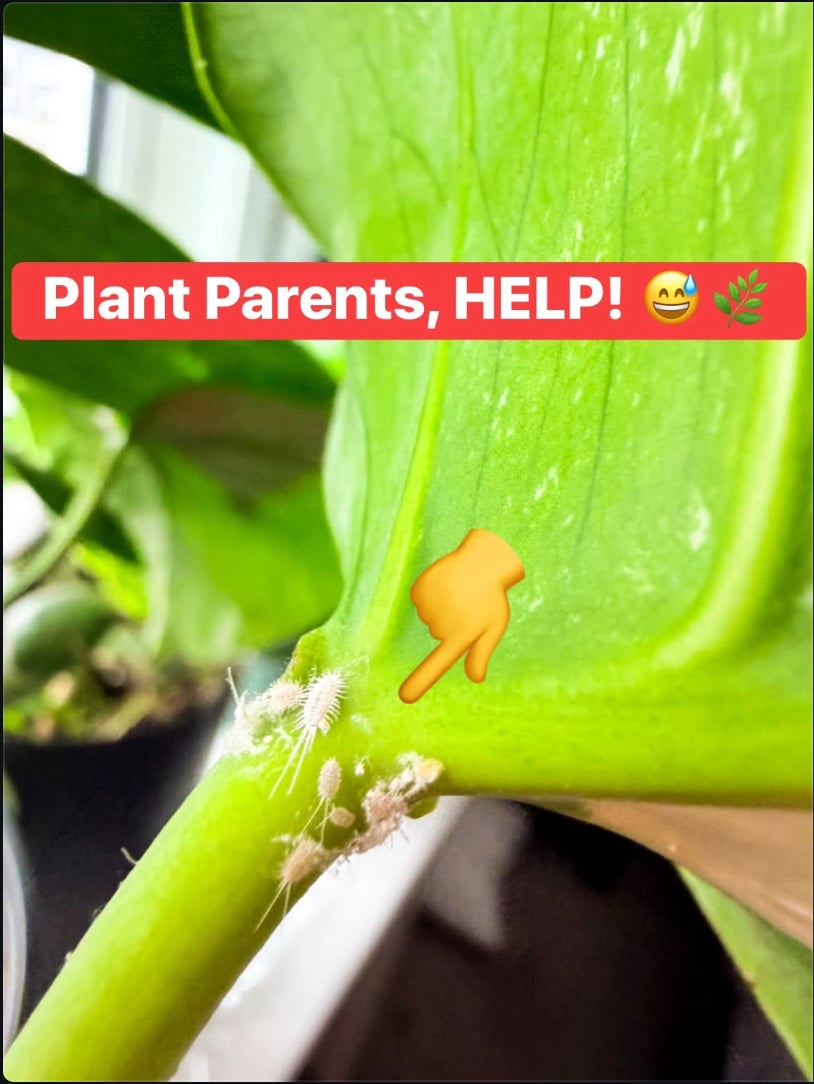
Are these white insects on my plant mealybugs and how do I get rid of them?
Those fluffy white insects in the leaf joint are mealybugs. Isolate the plant, wipe them off with cotton dipped in diluted rubbing alcohol, and repeat weekly, adding insecticidal soap or neem oil if they keep coming back.
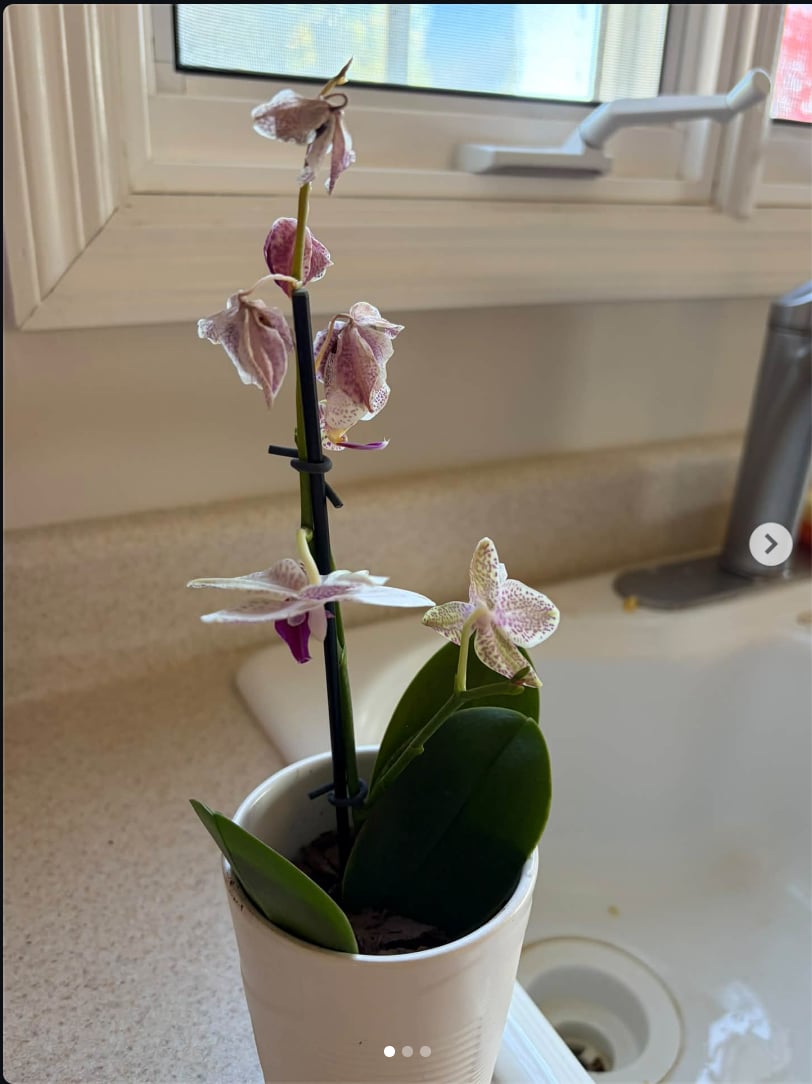
orchid, basil, croton
Can these orchid, basil, and croton plants be saved?
Yes, the orchid and croton are probably salvageable, but the herb in the black pot looks too dried out to recover. Check each plant’s stems and roots for green, firm tissue, trim off dead parts, repot if needed, and adjust light and watering so they can regrow.