
snake plant · Asked on Facebook · 2 November 2026
Why did a different plant sprout in my snake plant pot?
That extra plant is a “volunteer” that came from a bit of root, bulb, or seed in the potting mix, not from the snake plant. You can gently separate it into its own pot, or pull it out if you don’t want it.
The question
“Has this ever happened to you? 😅 I was trying to propagate my snake plant, but another plant decided to grow next to it instead.”
What's likely going on
In the photo, the upright, thick leaves are a snake plant (Sansevieria). The tall, thin stem with the single heart‑shaped leaf is a completely different plant. It hasn’t grown out of the snake plant leaf; it has its own growing point in the soil.
This usually happens because:
- The potting mix wasn’t “clean.” Commercial or reused soil can contain leftover roots, rhizomes (underground stems), bulbs, or seeds from whatever was grown in it before. Once the conditions are right, they wake up and grow.
- A piece of another plant was in the pot when it was reused. If this pot once held a different houseplant (often an aroid like an anthurium/philodendron type), a small bit of root can survive and sprout later.
From the photo alone it’s not possible to say exactly what the mystery plant is, only that it’s unrelated to the snake plant and sharing the pot.
What to do
- Decide if you want to keep it. If you like the look of it, it’s safe to keep as a separate plant.
- Separate the plants (recommended).
- Water the pot lightly and let it sit 10–15 minutes so the soil softens.
- Tip the whole root ball out and gently crumble soil away.
- Find where the mystery plant’s stem goes into the soil and follow those roots. They should detach fairly easily from the snake plant’s roots.
- Pot each plant into its own container with fresh, well‑draining mix.
- If you don’t want it, remove it. Pull the mystery plant out, trying to get as much root as possible, and refill with fresh mix.
- Resume normal snake plant care. Bright, indirect light and letting the soil dry most of the way between waterings suits it best.
How to prevent it
- Use fresh, good‑quality potting mix when propagating.
- If reusing old soil, sift through it and remove any obvious roots, bulbs, or woody bits.
- Clean used pots thoroughly before planting something new.
When to worry
- If the mystery plant starts to crowd the snake plant or dries the pot quickly, they need separating.
- If you see pests (tiny insects, webs, sticky residue) on either plant, isolate and treat before returning them to other houseplants.
Most of the time, this is just a funny bonus plant, not a problem—separate them and enjoy two plants instead of one.
Answered by the GrowPls assistant. Every plant and room is different; if things don't improve, a clear close-up photo of the affected part is the fastest way to a better answer.
Related questions
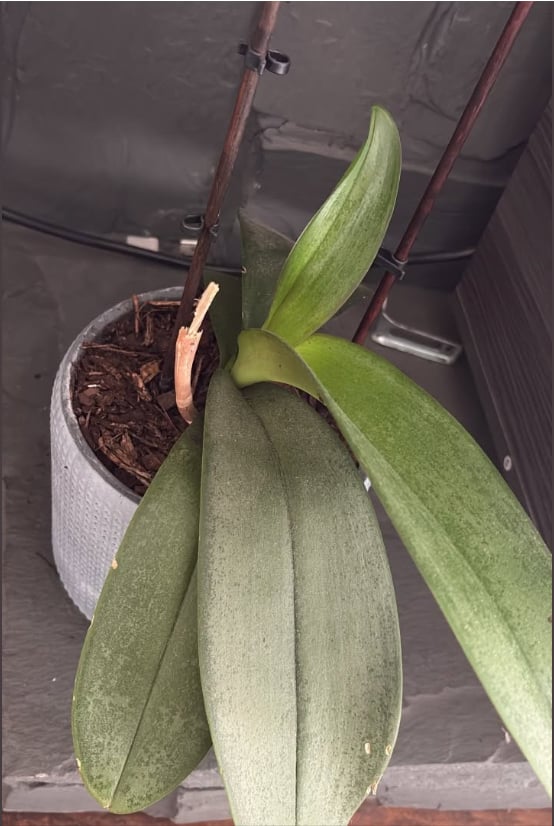
moth orchid (Phalaenopsis)
Why hasn’t my orchid flowered again for a year?
This moth orchid looks healthy enough but likely isn’t getting the right mix of bright light, feeding, and a slight temperature drop that triggers new flower spikes. Improve light, start regular orchid fertilizer, and give it a cooler, brighter spot for a few weeks to encourage blooming.
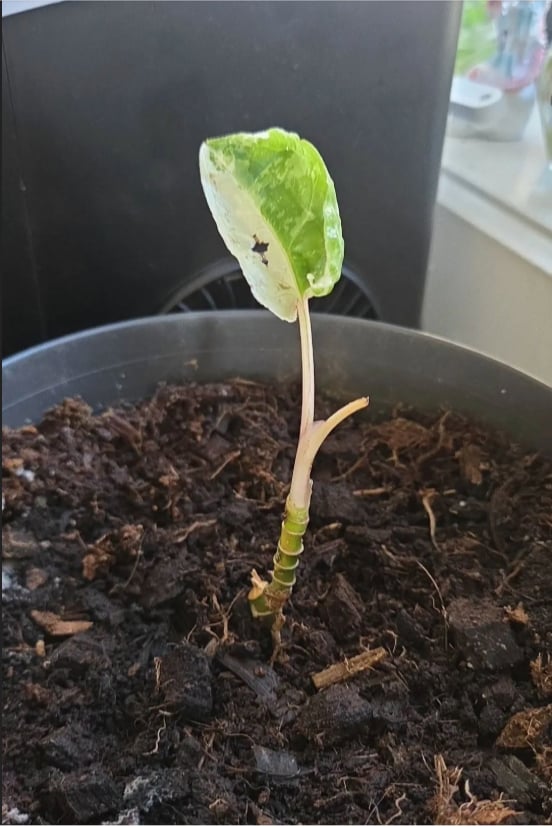
How can I identify this small cutting with only one damaged leaf?
From the photo, the plant is too small and damaged to confidently identify; it looks like a young aroid-type houseplant grown from a stem cutting. Let it grow a few new leaves and nodes, then compare leaf shape and growth habit for a more reliable ID.
How do I know when my plants need watering?
Most plants should be watered when the top layer of soil has dried out, not on a fixed schedule. Check the soil with your finger, lift the pot to feel the weight, and watch the leaves for early signs of thirst like slight drooping or dullness.
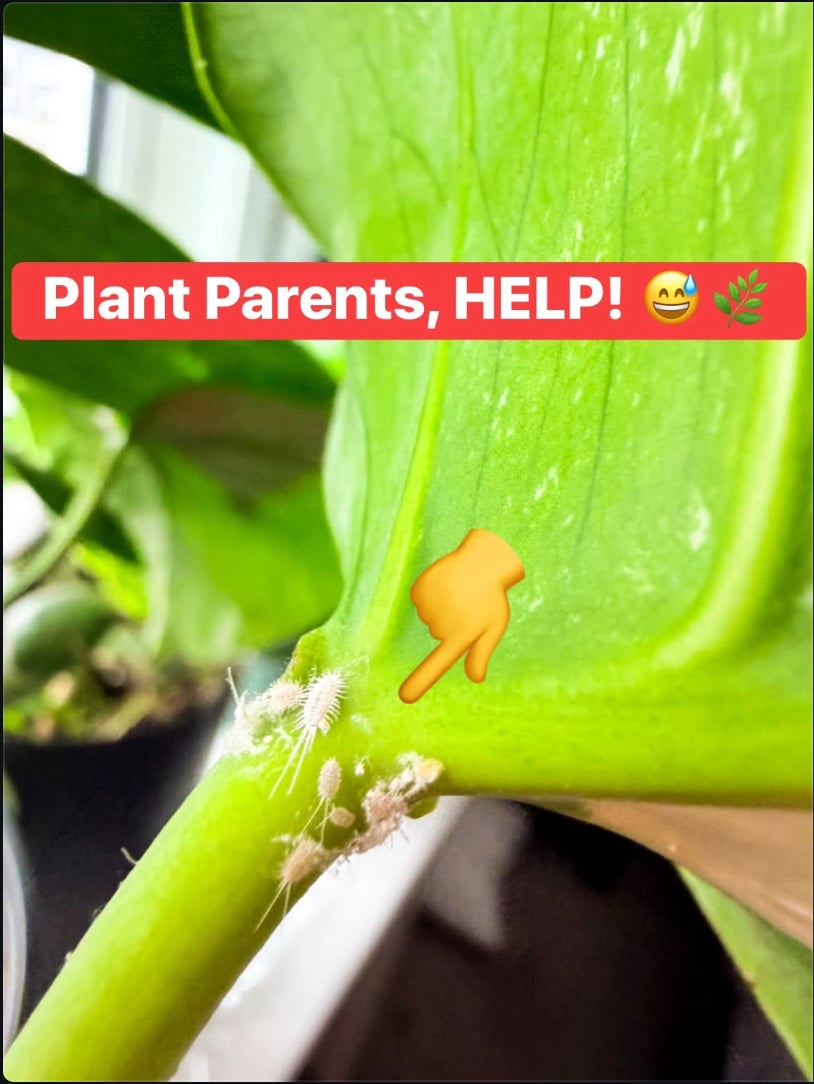
Are these white insects on my plant mealybugs and how do I get rid of them?
Those fluffy white insects in the leaf joint are mealybugs. Isolate the plant, wipe them off with cotton dipped in diluted rubbing alcohol, and repeat weekly, adding insecticidal soap or neem oil if they keep coming back.