
zebra haworthia · Asked on Facebook · 2 November 2026
Why did a leaf rot and fall off my zebra haworthia (zebra plant)?
That leaf looks like it simply rotted and died off, which can happen occasionally on zebra haworthias without meaning the whole plant is sick. If the rest of the plant is firm and leaves aren’t turning mushy at the base, you don’t need to unpot it yet—just adjust watering and keep an eye out for more soft leaves.
The question
“I pulled this leaf off of my zebra plant today. I haven’t checked the roots, but the rest of the plant looks healthy. I watered it maybe a month ago? I’m not sure, I don’t water on a set schedule. Just when the soil is completely dry. Do I need to check the roots?”
What's likely going on
From the photo, the leaf tip is brown, soft, and a bit mushy – classic rot on an individual leaf. On zebra haworthias (often called zebra plants), a single leaf can rot and detach for a few reasons:
- Normal aging – older, lower leaves naturally dry up or rot off as the plant makes new growth on top.
- A bit too much moisture around the base – water sitting in the rosette or soil staying damp too long can cause the lowest leaves to rot first.
- Physical damage – a leaf that was bent or cracked earlier may slowly rot from that point.
Because the rest of the plant looks healthy and it’s a succulent that’s only watered after the soil dries, this is most likely a one‑off leaf issue, not full root rot.
You’d mainly need to check the roots if you see multiple leaves turning soft at the base, a wobbly plant, or a bad smell from the soil.
What to do
Inspect the remaining leaves
Gently squeeze them. They should feel firm, not squishy. A little wrinkling from thirst is okay; mushy is not.Check the crown (center)
Look down into the rosette. If the center leaves are green and tight, the plant is fine. Remove any other obviously dead or brown lower leaves by gently tugging.Adjust watering
Water only when the potting mix is dry at least halfway down. For a succulent like this, that can easily be 2–4 weeks, depending on pot size and climate.Improve drainage if needed
Make sure the pot has a drainage hole. The soil should be gritty and fast‑draining (cactus/succulent mix). If it stays wet for many days, consider repotting into a better mix.Watch for warning signs
Over the next few weeks, if you notice more leaves turning mushy at the base, then gently slide the plant out of the pot and check that the roots are firm and whitish, not brown and slimy.
How to prevent it
- Avoid letting water sit in the rosette; water the soil, not the leaves.
- Use a well‑draining succulent mix and a pot with drainage.
- Give it bright, indirect light so the plant grows compact and strong.
- In cooler seasons, water less often, as the soil takes longer to dry.
When to worry
- Several leaves in a row are turning soft or translucent, especially near the base.
- The whole plant feels loose in the soil, or the stem feels mushy.
- You notice a sour or rotten smell from the pot or see black, slimy roots when you peek inside.
If any of those happen, unpot, cut away rotten roots, let the plant dry for a day, then repot into fresh, dry succulent mix and resume very light, occasional watering once it’s settled.
Answered by the GrowPls assistant. Every plant and room is different; if things don't improve, a clear close-up photo of the affected part is the fastest way to a better answer.
Related questions
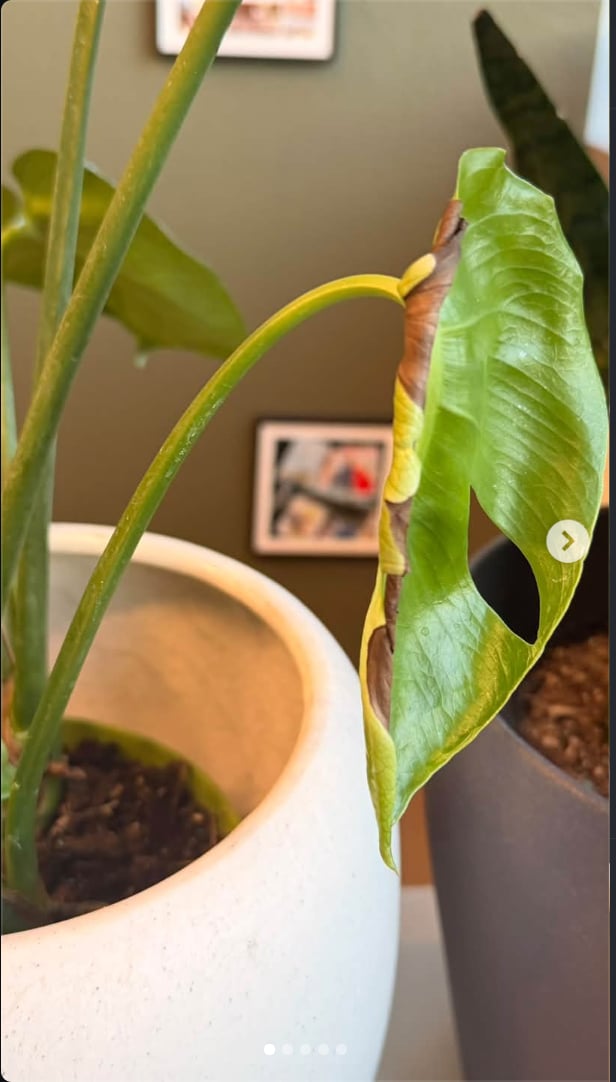
monstera
Why is my Monstera new leaf browning before it fully opens?
That brown edge on the new leaf is usually from stress while the leaf is still tightly rolled – most often low humidity, underwatering, or the leaf getting stuck and damaged. Check watering, light, and humidity, and focus on helping the next leaf grow in better.
How do I know when my plants need watering?
Most plants should be watered when the top layer of soil has dried out, not on a fixed schedule. Check the soil with your finger, lift the pot to feel the weight, and watch the leaves for early signs of thirst like slight drooping or dullness.
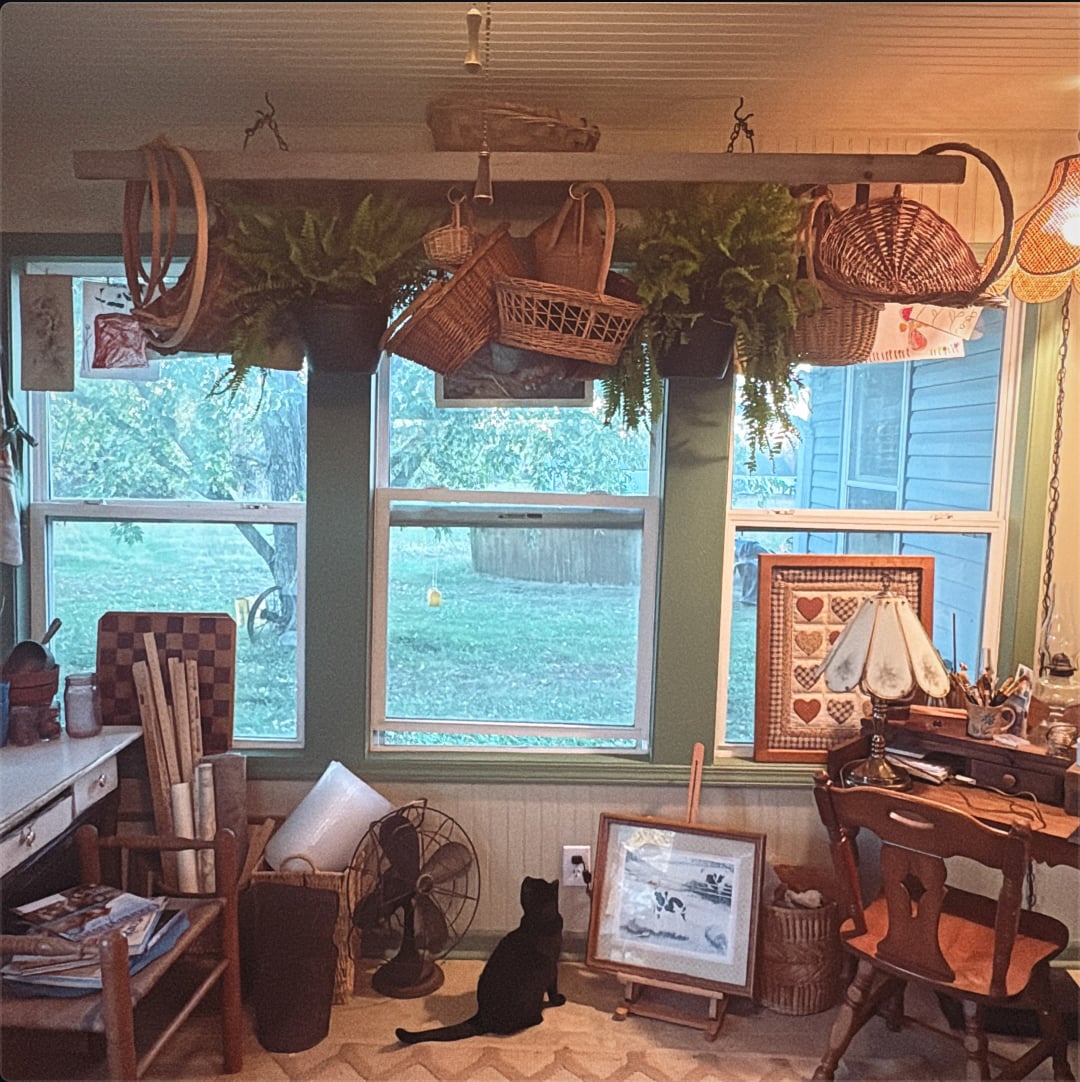
fern (likely Boston fern)
How do I overwinter hanging ferns in a bright sunroom?
That sunroom spot should work well if the ferns get bright but not harsh direct sun and the air isn’t too hot or dry. Indoors, water whenever the top of the soil just starts to feel dry, which is often about once a week but depends on your room’s temperature and humidity.
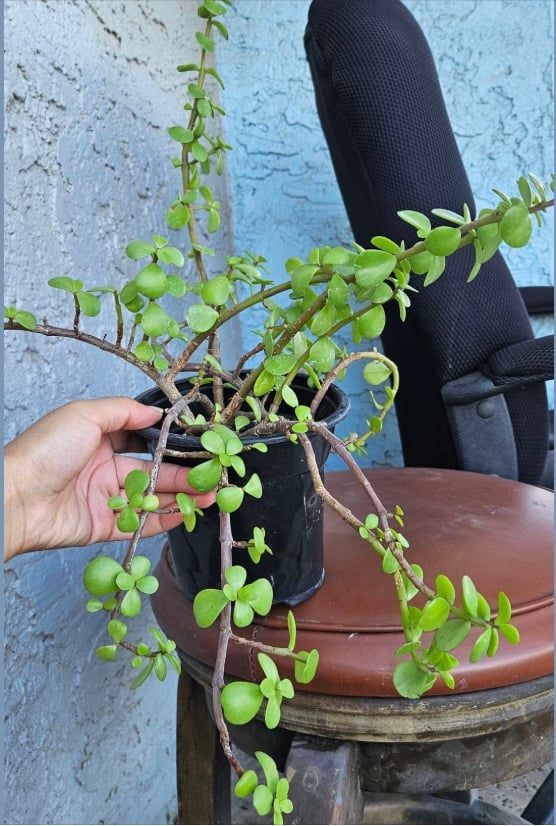
elephant bush
Why is my elephant bush (Portulacaria afra) droopy and losing leaves?
This elephant bush is most likely reacting to a change in light and watering, and it’s probably staying too wet in its current soil. Move it to brighter light, let it dry more between waterings, and consider repotting into a fast‑draining succulent mix.