
aquarium plants · Asked on Facebook · 4 November 2026
Why do my aquarium plants always look unhealthy?
The plants are in plain gravel with weak-looking light, so they’re probably starving for nutrients and possibly not getting enough suitable light. Start by improving the light and adding aquarium plant fertilizer (liquid and/or root tabs) to feed them.
The question
“Over 3 yrs old and my plants just keep looking bad why”
What's likely going on
From the photo, the tank has white gravel, rocks, a few rooted plants (looks like common low‑light species such as Anubias or Java fern), and standard aquarium lighting.
A few common issues make aquarium plants look sad even after years:
- Nutrient-poor substrate – Plain decorative gravel doesn’t store nutrients. Rooted plants can’t get enough nitrogen, potassium, iron, etc., so older leaves yellow, get holes, melt, or stay small.
- Insufficient or wrong kind of light – Many stock aquarium lights are designed to show off fish, not grow plants. If the light is too weak, on for too short a time, or very old, plants slowly decline.
- Imbalance of light vs. nutrients – If there’s some light but almost no nutrients or CO₂, growth is weak and algae often starts taking over the leaf surfaces.
- Plant placement – Some plants in the photo look like rhizome plants (Anubias/Java fern). If their thick “stem” (rhizome) is buried in gravel instead of tied to rock/wood, that part can rot.
What to do
Check how the plants are anchored
• If any have a thick horizontal stem, gently lift that so it sits on top of the gravel and is tied to rock/wood, with only thin roots in the gravel.Improve feeding
• Add root tabs under each rooted plant if you keep using gravel.
• Use a liquid aquarium plant fertilizer weekly for water‑column feeders (follow bottle directions; choose one made for fish tanks).Upgrade or adjust the light
• Aim for a proper plant‑growth LED or confirm your current light is rated for plants.
• Run it around 7–8 hours a day on a timer. If algae explodes, reduce slightly.Keep basic water parameters stable
• Do regular partial water changes (20–30% weekly).
• Avoid big swings in temperature or pH; most common aquarium plants do well in the same range as tropical fish.Trim and clean up
• Remove dead or melting leaves so the plant can focus on new growth.
• Gently rub off any soft algae from leaves with your fingers during water changes.
How to prevent it
- Use a nutritious plant substrate or keep up with root tabs from the start.
- Choose true aquatic plants known to do well in low to medium light (Anubias, Java fern, crypts).
- Keep a simple routine: light on a timer, fertilizer on the same day each week, and consistent water changes.
When to worry
- If plants are completely turning to mush within a week or two, the species may not be truly aquatic or the water parameters are far off; double‑check plant IDs and test water.
- If fish are gasping at the surface after adding fertilizers, do an immediate partial water change and review the dose.
- If you see rapid leaf rot starting at the base of rhizome plants, unbury or reattach them quickly before the whole plant dies.
Answered by the GrowPls assistant. Every plant and room is different; if things don't improve, a clear close-up photo of the affected part is the fastest way to a better answer.
Related questions
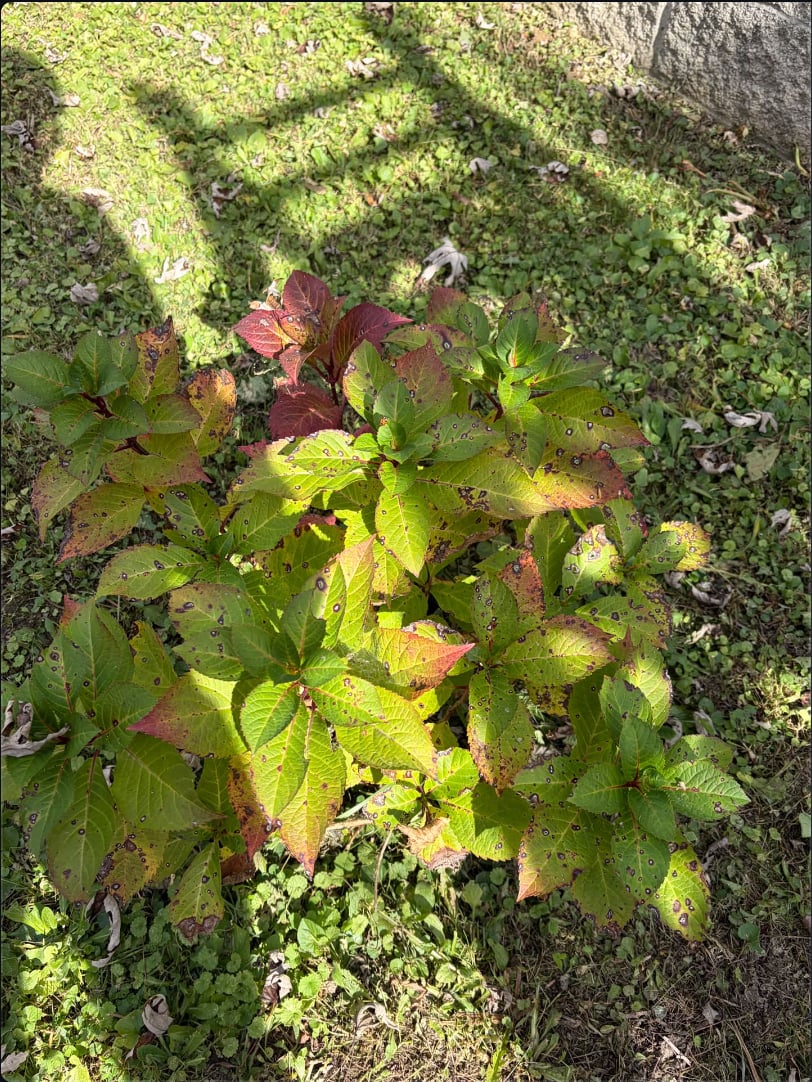
hydrangea
What is causing spots and discoloration on my hydrangea leaves?
The shrub has a leaf‑spot disease, most likely a fungal problem made worse by wet leaves and crowded growth. Remove the worst leaves, clean up fallen ones, and keep the plant drier and better ventilated; it usually clears up without harsh chemicals.
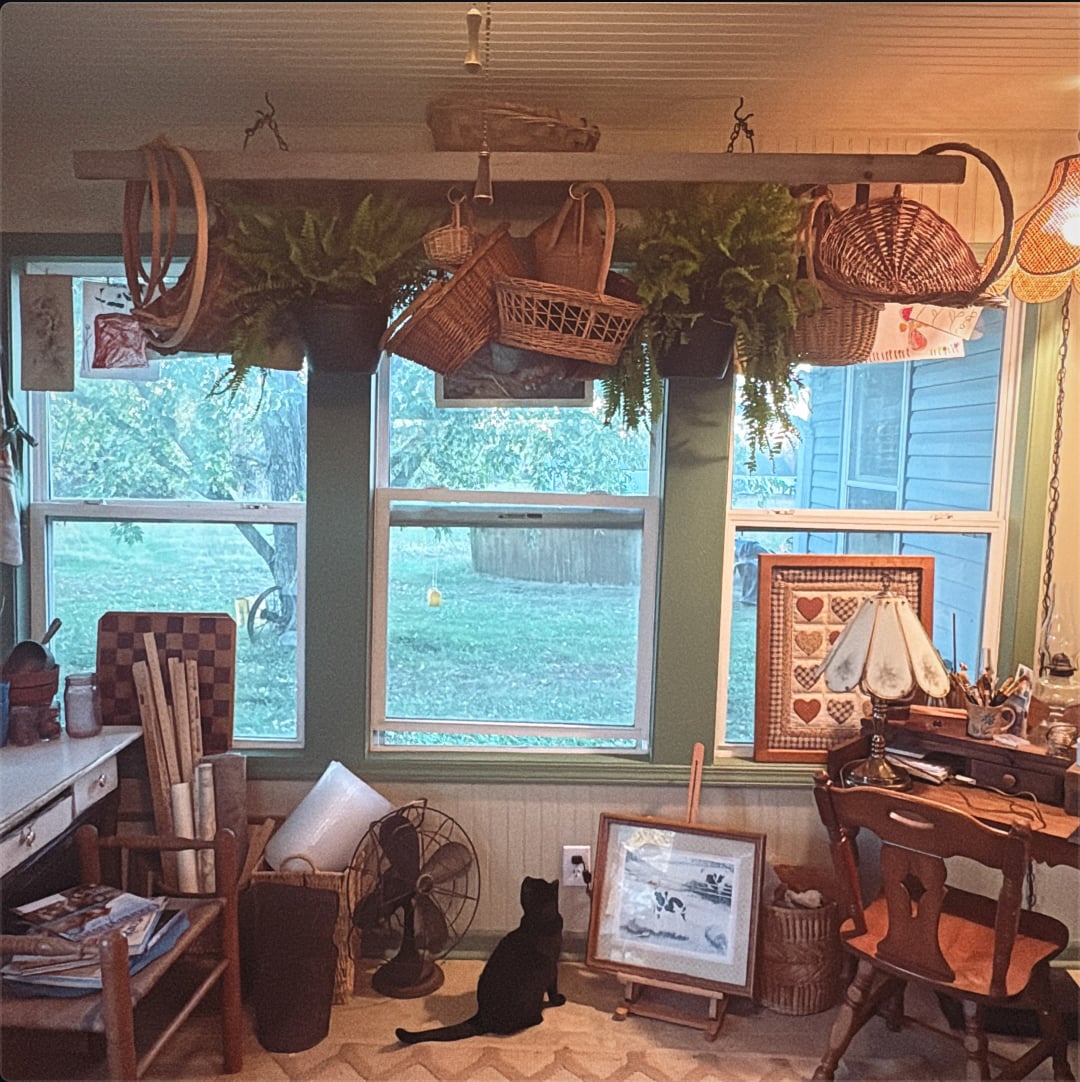
fern (likely Boston fern)
How do I overwinter hanging ferns in a bright sunroom?
That sunroom spot should work well if the ferns get bright but not harsh direct sun and the air isn’t too hot or dry. Indoors, water whenever the top of the soil just starts to feel dry, which is often about once a week but depends on your room’s temperature and humidity.
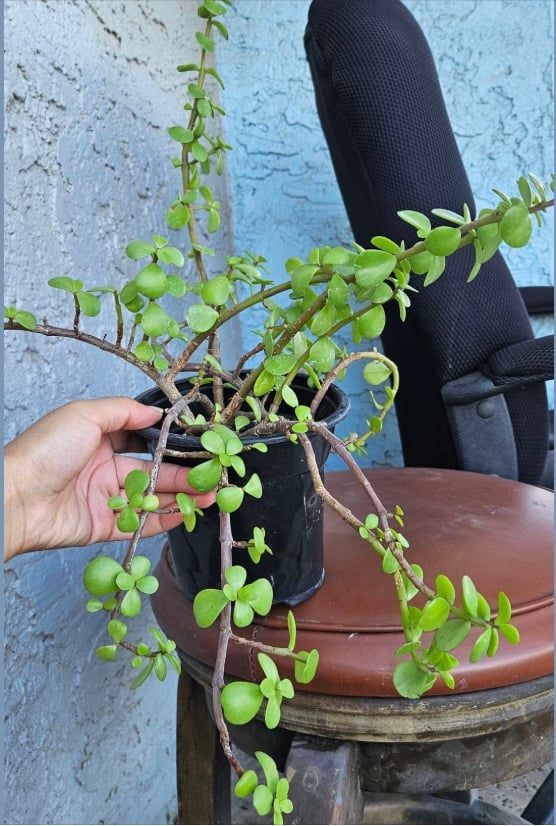
elephant bush
Why is my elephant bush (Portulacaria afra) droopy and losing leaves?
This elephant bush is most likely reacting to a change in light and watering, and it’s probably staying too wet in its current soil. Move it to brighter light, let it dry more between waterings, and consider repotting into a fast‑draining succulent mix.
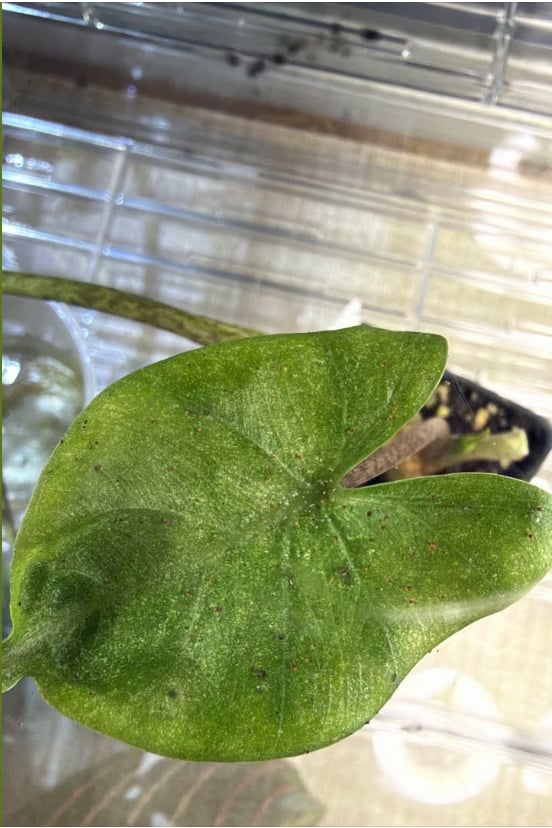
What are the tiny red-brown specks on my new plant leaves?
Those tiny red‑brown specks and the dusty, faded look on the leaf are very likely spider mites. Keep the plant in quarantine, check the undersides of leaves with a magnifying glass, and start treating with a gentle wash and repeated insecticidal soap or neem spray.