
Asked on Facebook · 5 November 2026
What are the tiny red-brown specks on my new plant leaves?
Those tiny red‑brown specks and the dusty, faded look on the leaf are very likely spider mites. Keep the plant in quarantine, check the undersides of leaves with a magnifying glass, and start treating with a gentle wash and repeated insecticidal soap or neem spray.
The question
“WHAT ARE THESE!!!??? just bought 2 plants and they are currently in quarantine in a brand new grow box. N I have another plant from the same grower & it has these too. Gen Pop is pest free.”
What's likely going on
From the photo, the leaf has lots of tiny red‑brown dots and a dusty, slightly faded look. That pattern strongly suggests spider mites:
- They are teeny (pin‑sized) red, brown, or yellowish specks that move slowly.
- They cause a fine, speckled or sand‑dusted appearance on the leaf.
- With a magnifying glass you’ll usually see more mites and sometimes very fine webbing, especially on the underside and where the leaf meets the stem.
Less likely possibilities are dried mineral spots or soil splash, but those usually don’t give the overall faded, stippled look.
Because several plants from the same grower have the same issue, assume it’s a shared pest and keep them isolated from the rest of the collection.
What to do
Confirm they’re alive.
- Look closely at the undersides of leaves with a magnifying glass or phone zoom. Tap a leaf over white paper – if the specks fall and start to crawl, they’re mites.
Give the plant a thorough rinse.
- Take it to a sink or shower and gently wash both sides of every leaf with lukewarm water, wiping with your fingers or a soft cloth to physically remove mites.
Treat with insecticidal soap or neem.
- Spray tops and undersides of leaves and stems until they’re well covered but not dripping. Repeat every 4–7 days for at least 3–4 rounds to catch new hatchlings.
- Keep pets and kids away until the product is dry; follow the label carefully.
Clean the grow box.
- Wipe down shelves, walls, and any tools with soapy water or a mild disinfectant so stray mites don’t re‑infest.
Check any other plants from the same source.
- Treat them preventively if you see even a few similar specks.
How to prevent it
- Quarantine all new plants for at least 2 weeks before putting them with the rest.
- Shower or wipe new arrivals to remove hitchhikers.
- Keep plants well‑watered but not stressed; dry, dusty air encourages spider mites, so a bit more humidity and occasional leaf wiping helps.
When to worry
- If webbing becomes obvious, leaves turn grayish or bronzed, or new growth is deformed, the infestation is heavy – continue treatments and consider a stronger miticide.
- If, after 3–4 treatment cycles, you still see lots of moving mites, consult a local nursery or extension service for a targeted miticide plan.
Answered by the GrowPls assistant. Every plant and room is different; if things don't improve, a clear close-up photo of the affected part is the fastest way to a better answer.
Related questions
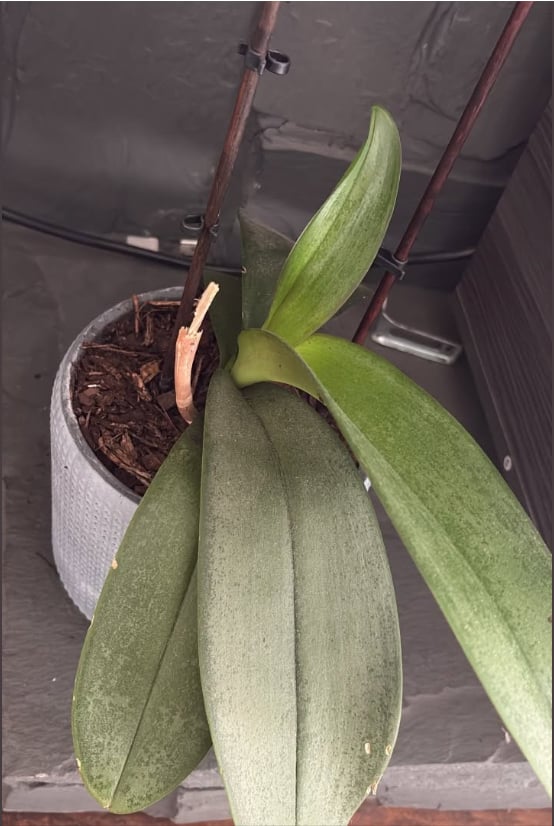
moth orchid (Phalaenopsis)
Why hasn’t my orchid flowered again for a year?
This moth orchid looks healthy enough but likely isn’t getting the right mix of bright light, feeding, and a slight temperature drop that triggers new flower spikes. Improve light, start regular orchid fertilizer, and give it a cooler, brighter spot for a few weeks to encourage blooming.
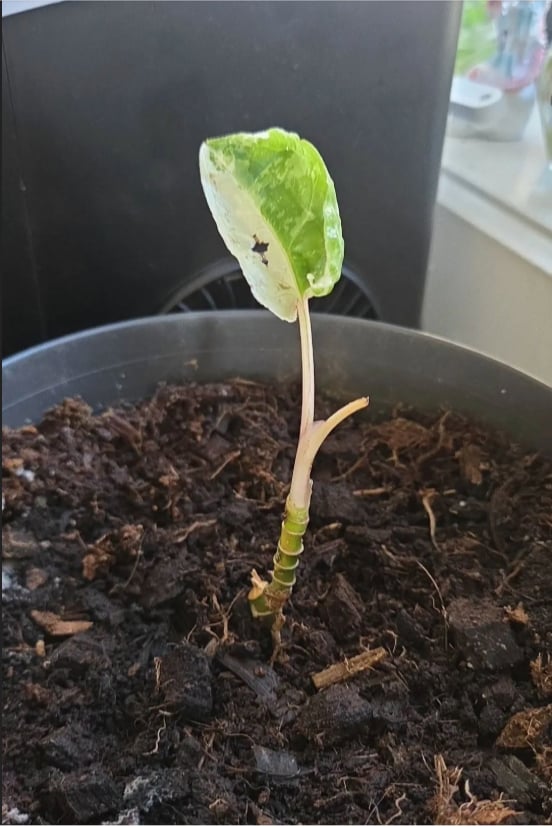
How can I identify this small cutting with only one damaged leaf?
From the photo, the plant is too small and damaged to confidently identify; it looks like a young aroid-type houseplant grown from a stem cutting. Let it grow a few new leaves and nodes, then compare leaf shape and growth habit for a more reliable ID.
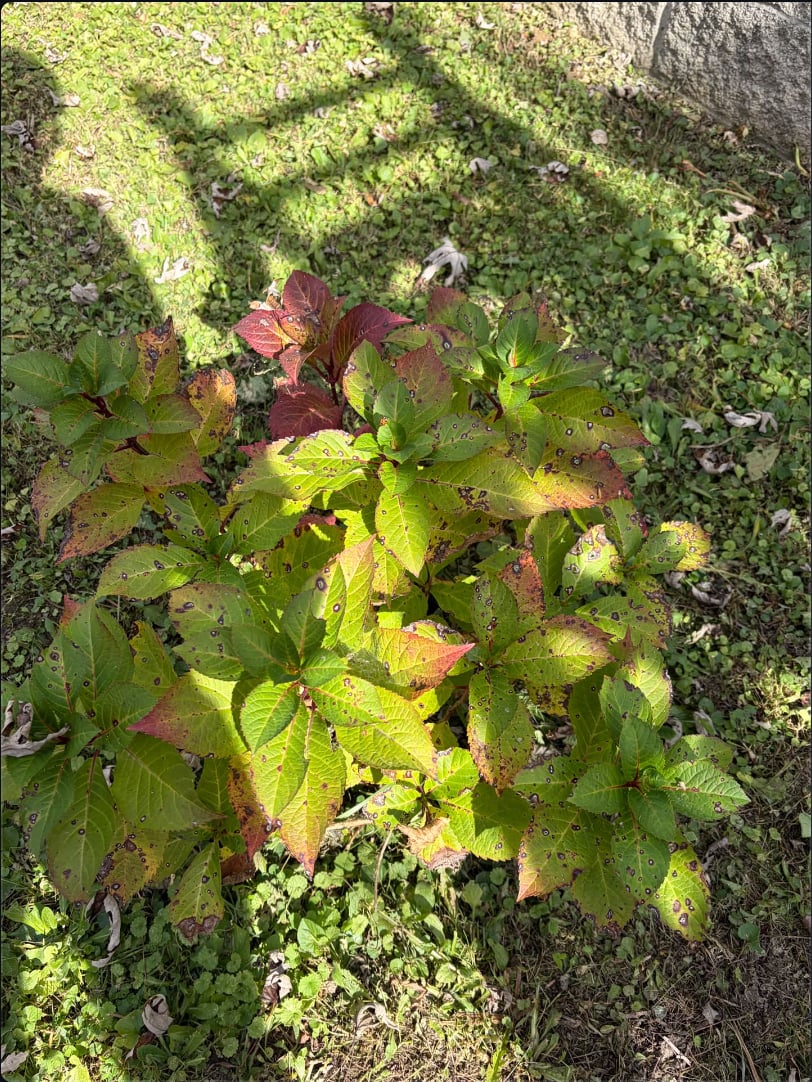
hydrangea
What is causing spots and discoloration on my hydrangea leaves?
The shrub has a leaf‑spot disease, most likely a fungal problem made worse by wet leaves and crowded growth. Remove the worst leaves, clean up fallen ones, and keep the plant drier and better ventilated; it usually clears up without harsh chemicals.
How do I know when my plants need watering?
Most plants should be watered when the top layer of soil has dried out, not on a fixed schedule. Check the soil with your finger, lift the pot to feel the weight, and watch the leaves for early signs of thirst like slight drooping or dullness.