
anthurium (flamingo flower) · Asked on Instagram · 2 November 2026
Why does my anthurium have brown spots on the leaves?
Those brown spots with yellowish halos are most likely leaf burn or a leaf-spot infection starting on your anthurium. Remove the worst leaves, improve air flow, and keep water off the leaves; if new spots keep appearing, treat it as a fungal/bacterial leaf spot problem.
The question
“Does anyone know why my plant is having those brown spots 🥺?”
What's likely going on
From the photos, this looks like an anthurium. The leaves show brown, dry patches with a lighter yellow edge.
A few common things cause this pattern:
- Leaf burn (sun or heat) – If the plant gets a streak of strong sun through a window, or is close to a hot light or heater, the leaf tissue can literally cook, turning tan/brown with a pale edge.
- Water damage + infection – When water sits on leaves (especially in warm, still air), fungi or bacteria can enter. This often makes round or irregular brown spots with a yellow halo. Spots usually spread slowly to other leaves.
- Old leaves or mechanical damage – A bumped, folded, or bruised leaf can later die back in that area and look brown, but it won’t keep spreading.
Without seeing the whole setup (light, watering, airflow), it’s usually a mix of minor burn and some leaf-spot organisms that love wet leaves.
What to do
- Remove damaged leaves
Cut off the worst affected leaves with clean scissors, leaving a small stub rather than cutting into the main stem. - Keep leaves dry
Water the soil, not the foliage. Avoid misting directly onto the leaves, especially at night. - Adjust light and heat
Give bright, indirect light. If strong sun hits the leaves for hours, move the plant a bit back or use a sheer curtain. - Improve airflow
Space it from other plants and, if indoors, a gentle fan on low nearby can help leaves dry faster. - Watch new growth
If fresh leaves come in clean and no new spots appear, you’ve solved it. If spots keep increasing, consider a gentle copper-based fungicide, used exactly as labeled (keep away from kids and pets until dry).
How to prevent it
- Water when the top 2–3 cm of soil are dry; don’t let the pot sit in water.
- Avoid sudden blasts of hot sun on leaves.
- Don’t crowd plants; good airflow keeps leaves healthier.
- Wipe dust off leaves occasionally with a damp cloth, then dry them.
When to worry
- Spots spread rapidly to many leaves within a week or two.
- Stems turn mushy, or the plant starts to collapse.
- There’s a bad smell from the pot or black, wet-looking areas.
If any of that happens, isolate the plant from others and treat as a serious fungal/bacterial issue or consult a local plant shop or extension service with close-up photos of new spots.
Answered by the GrowPls assistant. Every plant and room is different; if things don't improve, a clear close-up photo of the affected part is the fastest way to a better answer.
Related questions
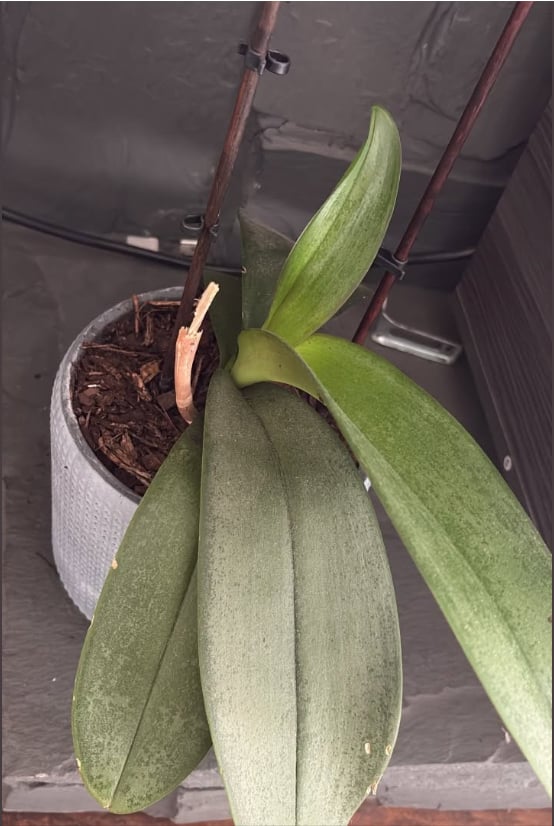
moth orchid (Phalaenopsis)
Why hasn’t my orchid flowered again for a year?
This moth orchid looks healthy enough but likely isn’t getting the right mix of bright light, feeding, and a slight temperature drop that triggers new flower spikes. Improve light, start regular orchid fertilizer, and give it a cooler, brighter spot for a few weeks to encourage blooming.
How do I know when my plants need watering?
Most plants should be watered when the top layer of soil has dried out, not on a fixed schedule. Check the soil with your finger, lift the pot to feel the weight, and watch the leaves for early signs of thirst like slight drooping or dullness.
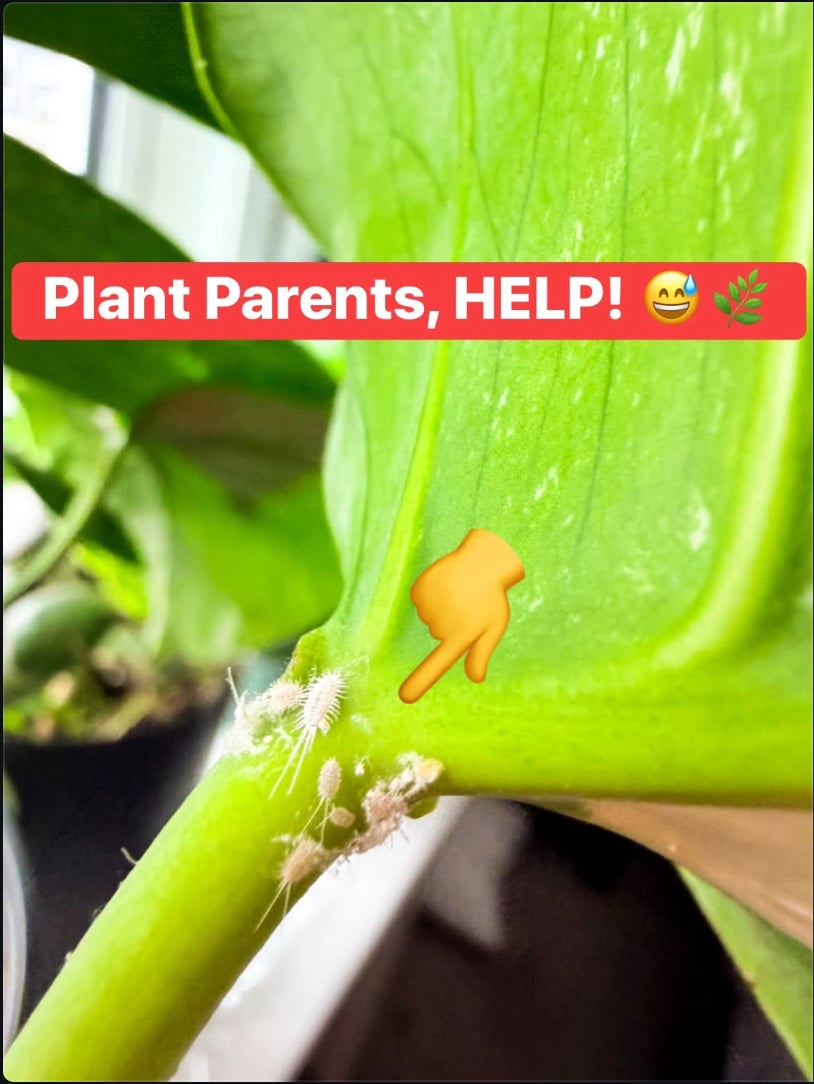
Are these white insects on my plant mealybugs and how do I get rid of them?
Those fluffy white insects in the leaf joint are mealybugs. Isolate the plant, wipe them off with cotton dipped in diluted rubbing alcohol, and repeat weekly, adding insecticidal soap or neem oil if they keep coming back.
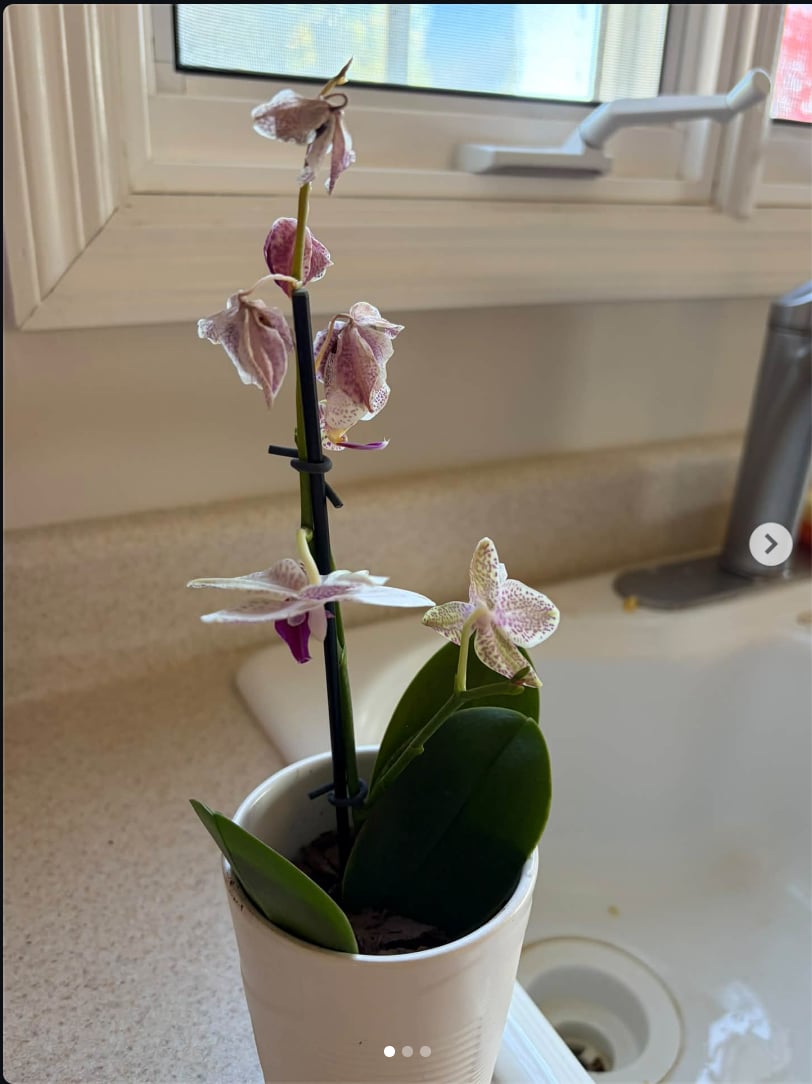
orchid, basil, croton
Can these orchid, basil, and croton plants be saved?
Yes, the orchid and croton are probably salvageable, but the herb in the black pot looks too dried out to recover. Check each plant’s stems and roots for green, firm tissue, trim off dead parts, repot if needed, and adjust light and watering so they can regrow.