
bromeliad · Asked on Instagram · 3 November 2026
Why does my bromeliad have sudden yellow dead spots on the leaves?
Those yellow, dead patches on the bromeliad’s leaves are most likely sun or light burn, or old mechanical damage that’s now drying out—not a fast-spreading disease. Move the plant a little farther from strong lights or hot sun, keep the central cup just moist (not the potting mix soggy), and trim off only the worst damaged areas.
The question
“Anyone know why my plant all of a sudden started getting yellow dead spots?”
What's likely going on
From the photos, this looks like a bromeliad (Guzmania/Vriesea type). The small yellow‑tan patches with dry brown edges on the lower leaves are usually caused by:
- Light or heat scorch – Strong grow lights or direct sun can burn bromeliad leaves. Burned areas don’t turn soft; they dry out into tan or yellow dead spots just like in the photo.
- Old physical damage – Bumps, bending, or leaves rubbing when the plant was moved or transported can later show up as yellow/brown scars.
- Normal aging after flowering – As the flower spike matures, the oldest outer leaves slowly get blemishes and eventually die back. This is part of the bromeliad life cycle.
Less likely, but possible, is water staying in the leaf bases in cool air, causing tiny rot spots. Those would feel soft or mushy instead of papery.
What to do
- Check the texture of the spots.
- Dry, papery, and flat = past damage or scorch.
- Soft, mushy, or smelly = rot; improve air flow and watering.
- Adjust the light.
- Move the plant a bit farther from grow lights or out of direct hot sun. Aim for bright, indirect light.
- Water the right way.
- Keep a little clean water in the central “cup” of the plant and let excess drain out.
- Keep the potting mix just barely moist, never soggy.
- Trim only badly damaged parts.
- Use clean scissors to remove completely brown tips or leaves. Cut just into healthy green.
- Watch new growth.
- If new leaves come in clean and green, the issue is solved.
How to prevent it
- Introduce any change in light gradually over 1–2 weeks.
- Avoid placing the plant right under a hot bulb.
- Don’t let water sit cold and deep in the leaf bases in a chilly room.
- Dust leaves gently so they can breathe and photosynthesize well.
When to worry
- Spots spread quickly, become soft, or the center of the plant turns mushy.
- The entire plant starts yellowing from the base upward.
- You see fine webbing or insects on leaves (then it could be pests like spider mites).
If any of these happen, isolate the plant, cut away affected tissue, and consider a fungicide or pest treatment after confirming the cause. Otherwise, it’s mostly cosmetic and the plant can live with a few scars.
Answered by the GrowPls assistant. Every plant and room is different; if things don't improve, a clear close-up photo of the affected part is the fastest way to a better answer.
Related questions
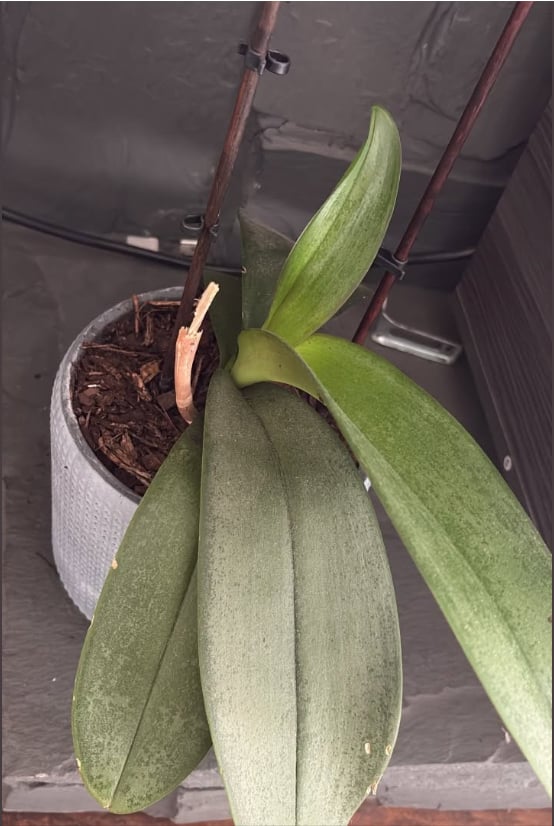
moth orchid (Phalaenopsis)
Why hasn’t my orchid flowered again for a year?
This moth orchid looks healthy enough but likely isn’t getting the right mix of bright light, feeding, and a slight temperature drop that triggers new flower spikes. Improve light, start regular orchid fertilizer, and give it a cooler, brighter spot for a few weeks to encourage blooming.
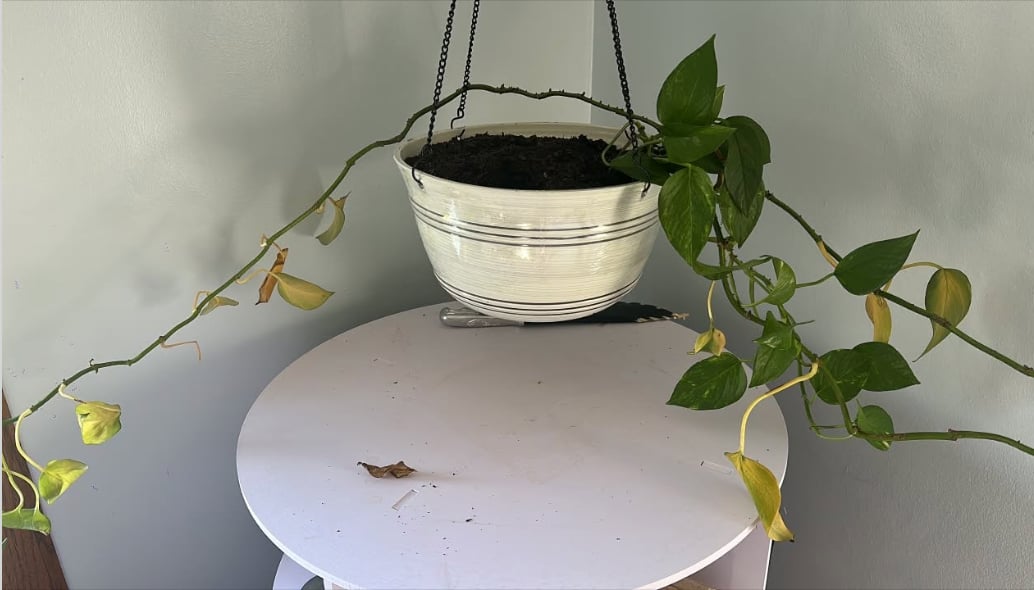
pothos (money plant)
Why are my pothos leaves turning yellow after repotting?
Those yellow leaves are most likely from stress after repotting plus soil that’s staying too wet. Check that the pot drains well, let the soil dry a bit between waterings, and trim off the worst yellow leaves.
How do I know when my plants need watering?
Most plants should be watered when the top layer of soil has dried out, not on a fixed schedule. Check the soil with your finger, lift the pot to feel the weight, and watch the leaves for early signs of thirst like slight drooping or dullness.
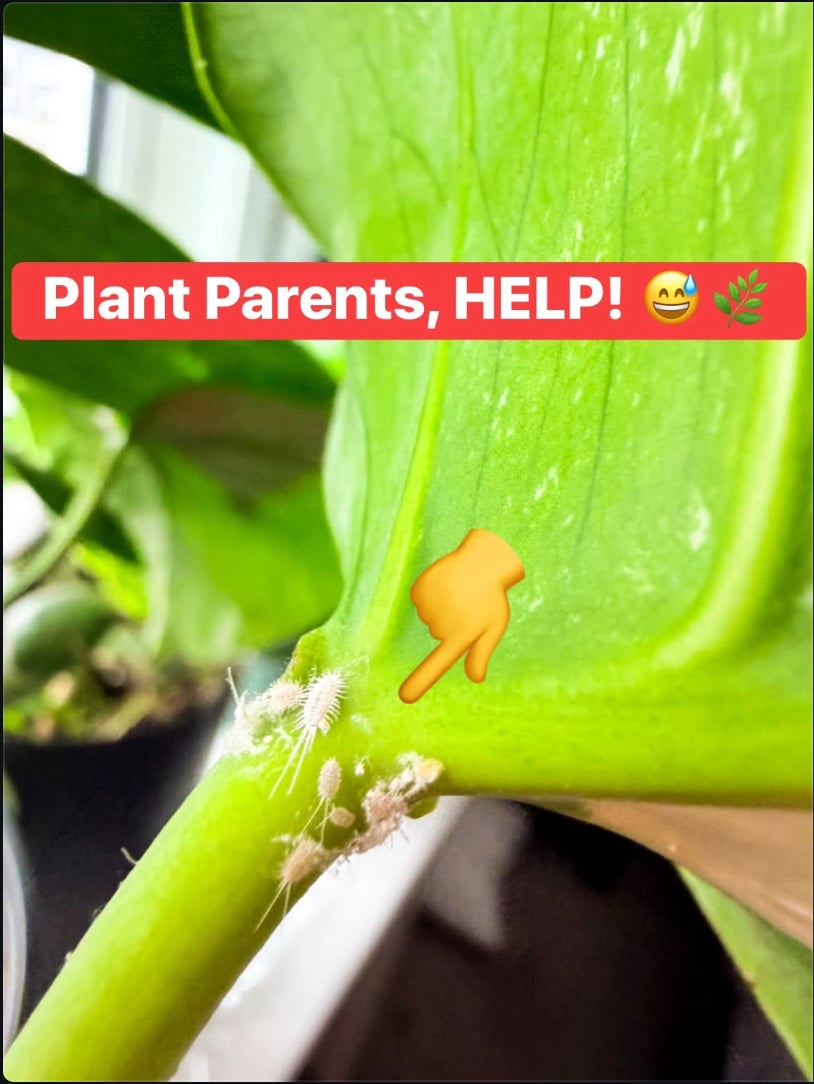
Are these white insects on my plant mealybugs and how do I get rid of them?
Those fluffy white insects in the leaf joint are mealybugs. Isolate the plant, wipe them off with cotton dipped in diluted rubbing alcohol, and repeat weekly, adding insecticidal soap or neem oil if they keep coming back.