
desert rose · Asked on Facebook · 5 November 2026
Why has my desert rose stopped blooming?
Desert rose usually stops blooming from lack of strong sun, too much regular watering, or low nutrients—not from heat alone. Let the soil dry well between waterings, give it full sun, and feed lightly with a bloom‑boosting fertilizer.
The question
“I have this plant at home, but it won’t bloom like this anymore. I’m not sure why, even though I water it regularly. Could it be because the weather here is extremely hot—reaching as high as 39°C?”
What's likely going on
The plant in the photo is a desert rose (Adenium). These plants actually love heat, so temperatures around 39°C are usually not the main problem, as long as they’re not baking in a black plastic pot with no water at all.
More common reasons a desert rose stops blooming:
- Not enough strong sunlight – They need several hours of direct sun daily to flower heavily. In bright shade they look healthy but give few or no blooms.
- Watered too often – Desert rose is a succulent. If the soil is kept constantly moist, the plant focuses on leaves and roots, not flowers, and can even start to rot inside.
- Poor or imbalanced feeding – If it hasn’t been fertilized for a long time, or only with high‑nitrogen fertilizer, it may grow leaves instead of flowers.
- Normal rest period – They have cycles: heavy bloom, then a quieter phase, especially after repotting or hard pruning.
From the picture, the plant can bloom beautifully, so the conditions just need adjusting again.
What to do
Check the light
Make sure it gets at least 4–6 hours of direct sun daily. If it’s in bright shade, move it slowly (over a week) into a sunnier spot.Change watering habits
Water deeply, then let the top half of the potting mix dry out completely before watering again. In very hot weather this might still be once or twice a week, but never every day in heavy soil.Check the pot and soil
Ensure there are drainage holes. The mix should be gritty and fast‑draining (cactus/succulent mix with sand or perlite). If the soil stays wet for days, repot into a lighter mix.Feed for flowers
Every 4–6 weeks in the growing season, use a balanced or low‑nitrogen, higher‑phosphorus fertilizer at half strength. Do not overdo it—too much fertilizer can burn roots.Remove old, spent tips
Light pruning of leggy stems after a bloom cycle can encourage new shoots, which usually carry more flowers.
How to prevent it
- Keep the plant in a sunny, airy spot year‑round.
- Maintain a “soak and dry” routine instead of frequent light watering.
- Refresh the top layer of soil or repot every couple of years into a gritty mix.
- Feed lightly but regularly during warm months, and reduce feeding during cool or dormant periods.
When to worry
- If the caudex (swollen base) feels soft or mushy, or the stems wrinkle and collapse, there may be rot from overwatering—then reduce water immediately and consider cutting out rotten parts.
- If leaves yellow and drop suddenly along with black or soft areas, act quickly: unpot, remove rotten roots, and replant in dry, fast‑draining mix.
Otherwise, with more sun and better watering cycles, flowering should return once the plant finishes its current rest phase.
Answered by the GrowPls assistant. Every plant and room is different; if things don't improve, a clear close-up photo of the affected part is the fastest way to a better answer.
Related questions
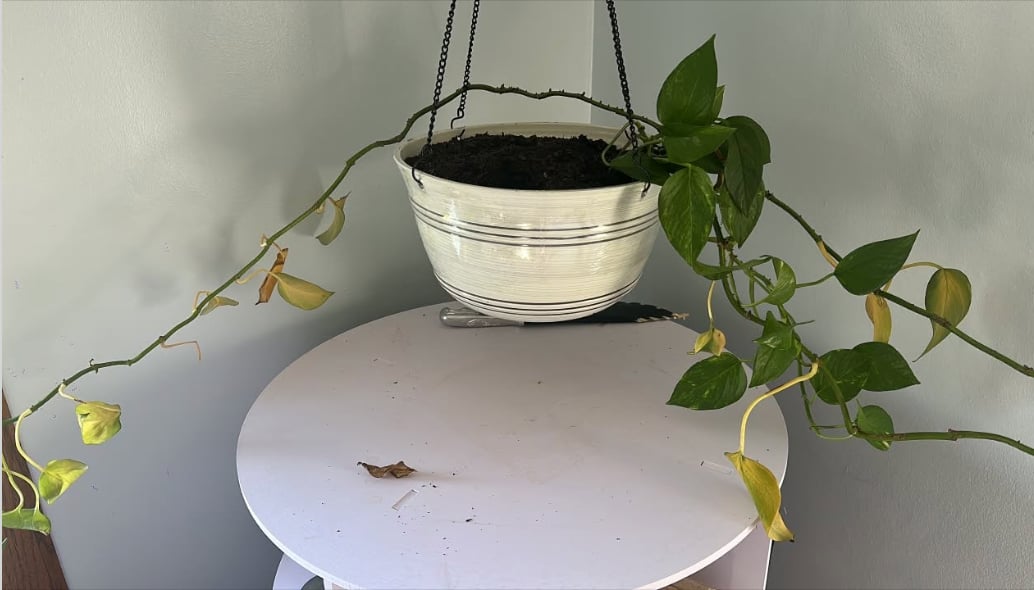
pothos (money plant)
Why are my pothos leaves turning yellow after repotting?
Those yellow leaves are most likely from stress after repotting plus soil that’s staying too wet. Check that the pot drains well, let the soil dry a bit between waterings, and trim off the worst yellow leaves.
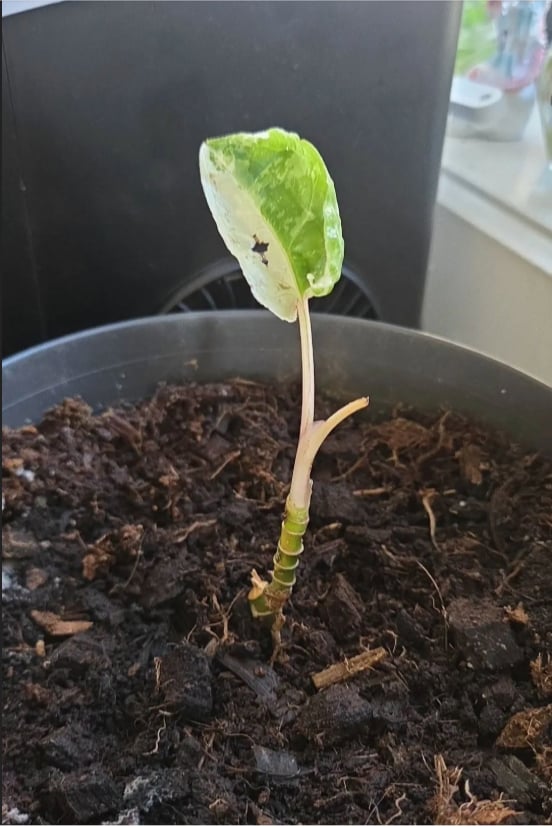
How can I identify this small cutting with only one damaged leaf?
From the photo, the plant is too small and damaged to confidently identify; it looks like a young aroid-type houseplant grown from a stem cutting. Let it grow a few new leaves and nodes, then compare leaf shape and growth habit for a more reliable ID.
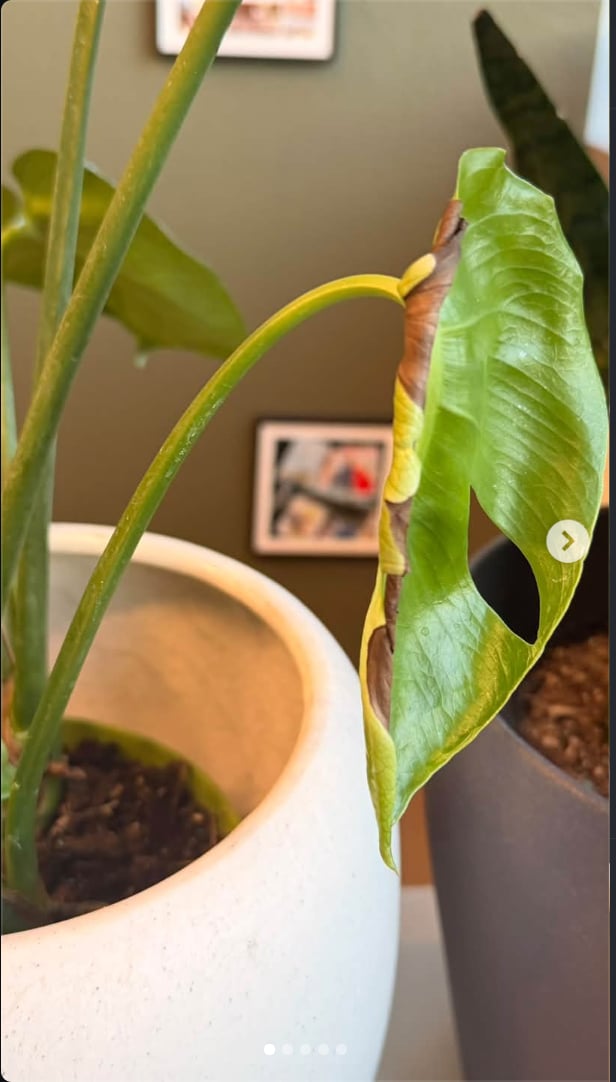
monstera
Why is my Monstera new leaf browning before it fully opens?
That brown edge on the new leaf is usually from stress while the leaf is still tightly rolled – most often low humidity, underwatering, or the leaf getting stuck and damaged. Check watering, light, and humidity, and focus on helping the next leaf grow in better.
How do I know when my plants need watering?
Most plants should be watered when the top layer of soil has dried out, not on a fixed schedule. Check the soil with your finger, lift the pot to feel the weight, and watch the leaves for early signs of thirst like slight drooping or dullness.