
begonia · Asked on Instagram · 31 October 2026
Why is my begonia dropping leaves after bringing it indoors?
The sudden move from outdoors to indoors has likely shocked the begonia, and the new light, temperature and watering routine are causing leaf drop. Give it bright indirect light, adjust watering so the top of the soil dries slightly between waterings, and trim any dead or mushy stems so it can regrow.
The question
“Anyone out there that can give me advice on what to do with this begonia. I brought it inside a couple of wks ago and it had big beautiful leaves on it but its leaves are now falling off”
What's likely going on
From the photo, the plant still has lots of foliage, but some stems look a bit droopy and some leaves are losing color. When a begonia that was happy outside is brought indoors, it goes through environmental shock:
- Light suddenly changed – outdoors it probably had brighter, more even light. Indoors, the light is weaker and comes from one direction, which can cause leaf yellowing and drop.
- Humidity and temperature shifted – indoor air (especially with AC or heat) is drier and can stress the plant.
- Watering pattern changed – it’s easy to overwater once it’s inside, because the soil dries more slowly, leading to root stress and dropping leaves. Underwatering can cause similar drooping, so the soil needs checking.
The leaf fall is the plant trying to adjust to its new conditions rather than a single disease.
What to do
Check the soil
Push a finger a few cm into the pot. If it’s very wet and heavy, let it dry out before watering again. If it’s completely dry and pulling from the sides, give a thorough drink, then drain well.Improve the light
Place the begonia in bright, indirect light near a window, but not in harsh midday sun that can scorch leaves. Rotate the pot weekly so it doesn’t lean.Tidy the plant
Snip off any fully yellow, brown, or mushy leaves and stems with clean scissors. This helps it redirect energy to healthy growth.Stabilize its environment
Keep it away from heaters, AC vents, and cold drafts. If the air is very dry, a tray of water with pebbles under the pot (pot sitting on the stones, not in the water) can gently raise humidity.Water correctly going forward
For most indoor begonias, water when the top 2–3 cm of soil feel dry, then empty any saucer so it doesn’t sit in water.
How to prevent it
- Move outdoor plants indoors gradually over 1–2 weeks, starting in bright shade, then indoors.
- Use a well‑draining potting mix and a pot with drainage holes.
- Keep a fairly constant spot indoors rather than moving it often.
When to worry
- If stems near the soil turn mushy, black, or collapse, root rot may be setting in—repot into fresh, well‑draining soil, trimming off rotten roots.
- If you see sticky residue, webbing, or lots of tiny insects on leaves, treat for pests (start with a gentle soap spray).
- If almost all leaves drop and new growth doesn’t appear within a month or two, reassess light and watering; the roots may be badly damaged.
Answered by the GrowPls assistant. Every plant and room is different; if things don't improve, a clear close-up photo of the affected part is the fastest way to a better answer.
Related questions
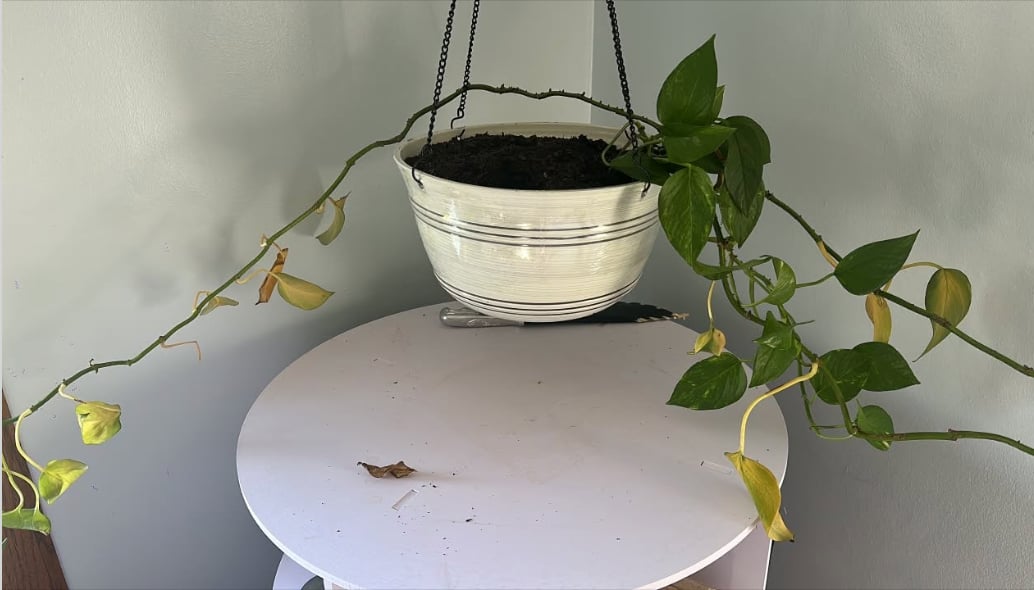
pothos (money plant)
Why are my pothos leaves turning yellow after repotting?
Those yellow leaves are most likely from stress after repotting plus soil that’s staying too wet. Check that the pot drains well, let the soil dry a bit between waterings, and trim off the worst yellow leaves.
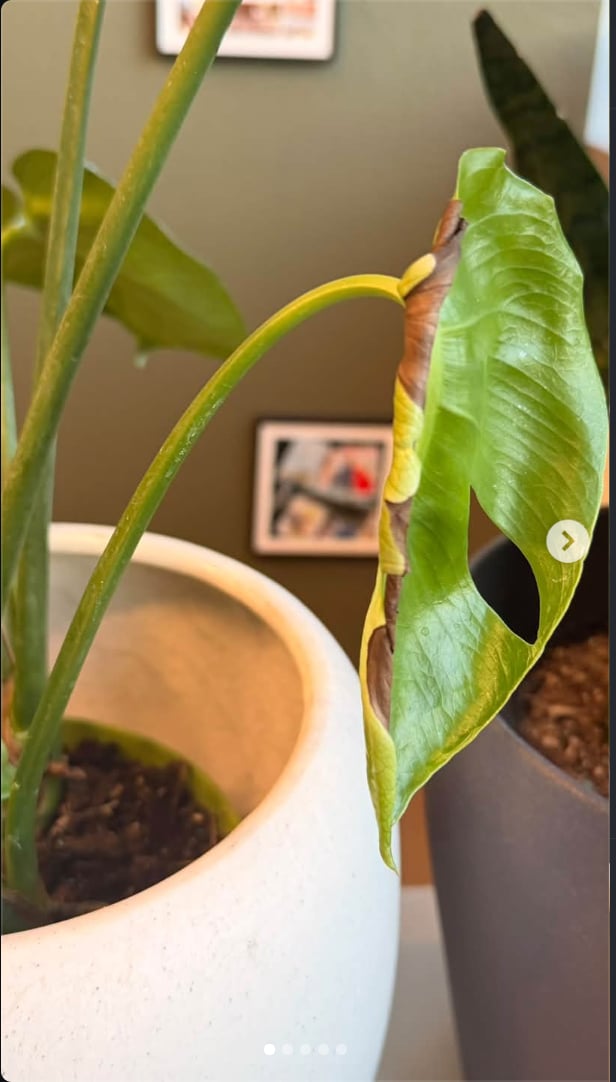
monstera
Why is my Monstera new leaf browning before it fully opens?
That brown edge on the new leaf is usually from stress while the leaf is still tightly rolled – most often low humidity, underwatering, or the leaf getting stuck and damaged. Check watering, light, and humidity, and focus on helping the next leaf grow in better.
How do I know when my plants need watering?
Most plants should be watered when the top layer of soil has dried out, not on a fixed schedule. Check the soil with your finger, lift the pot to feel the weight, and watch the leaves for early signs of thirst like slight drooping or dullness.
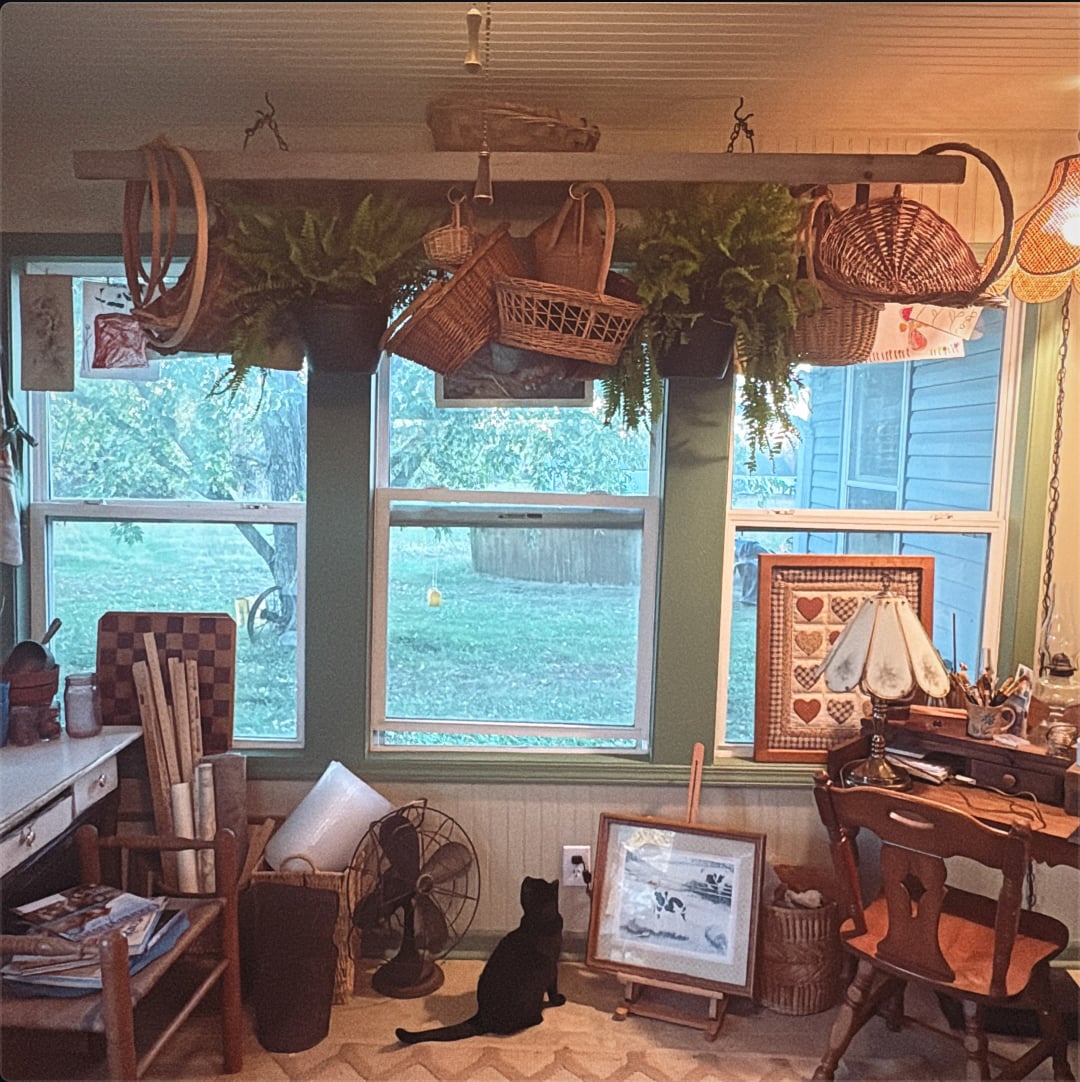
fern (likely Boston fern)
How do I overwinter hanging ferns in a bright sunroom?
That sunroom spot should work well if the ferns get bright but not harsh direct sun and the air isn’t too hot or dry. Indoors, water whenever the top of the soil just starts to feel dry, which is often about once a week but depends on your room’s temperature and humidity.