
desert rose · Asked on Facebook · 1 November 2026
Will a cut stem on my desert rose grow new branches again?
Yes, that cut stem looks like it has simply dried and callused over, which is normal. New shoots are most likely to sprout from just below the cut or elsewhere on the stem once the plant is in active growth and is kept warm, bright, and not overwatered.
The question
“"Is the growth of this cut stem normal? And will it be able to sprout new growth again later?"”
What's likely going on
From the photo, the tip of the pruned branch has dried and formed a hard, dry surface. That’s a normal callus – the plant’s way of sealing the wound.
On desert rose (Adenium) and similar caudiciform plants, new growth usually doesn’t pop out of the very flat, dead tip itself. Instead, buds form from sleeping nodes just below the cut, or on nearby parts of the stem and caudex.
So the important question is not “will the exact stub grow?”, but “is the plant healthy enough to push new shoots from somewhere along that stem?” If the cut area is firm and dry (not soft, black, or smelly), the plant is fine and should branch again in the growing season.
What to do
Check the cut surface
Gently press it. If it’s hard and dry, leave it. If it’s soft, dark, or mushy, trim back very slightly with a clean knife to firm tissue and let it dry again.Give strong light
Keep the plant in full sun or the brightest spot you have. Desert rose needs lots of light to make new branches.Water correctly
Water deeply, then let the soil dry almost completely before watering again. The caudex stores water; constantly wet soil can rot the cut and roots.Wait for the warm season
Most new buds appear when temperatures are warm. As long as the plant is healthy, you should see small nubs or leaf clusters forming below the cut over time.Optional: neaten the cut
If the stub is very jagged, you can re‑cut it smoothly with a sterile tool, then keep it dry for several days so it calluses cleanly.
How to prevent it
- Always use a clean, sharp blade when pruning so wounds close faster.
- Avoid pruning just before long rainy, humid spells to reduce the risk of rot.
- Use a very well‑draining, gritty mix (cactus/succulent soil) so the caudex and cut ends don’t sit in moisture.
When to worry
- The cut area turns black, spreads downward, or smells bad – signs of rot. In that case, cut back to firm tissue and improve drainage and watering.
- The caudex becomes soft or shrinks rapidly despite careful watering.
- No new buds appear anywhere on the plant through a full warm growing season.
If none of those happen, the callused stub is normal and the plant should branch again from below it in time.
Answered by the GrowPls assistant. Every plant and room is different; if things don't improve, a clear close-up photo of the affected part is the fastest way to a better answer.
Related questions
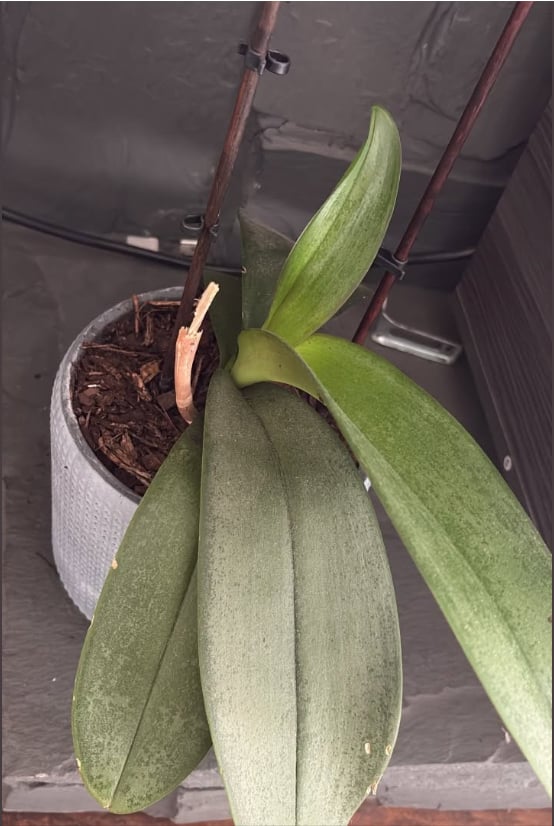
moth orchid (Phalaenopsis)
Why hasn’t my orchid flowered again for a year?
This moth orchid looks healthy enough but likely isn’t getting the right mix of bright light, feeding, and a slight temperature drop that triggers new flower spikes. Improve light, start regular orchid fertilizer, and give it a cooler, brighter spot for a few weeks to encourage blooming.
How do I know when my plants need watering?
Most plants should be watered when the top layer of soil has dried out, not on a fixed schedule. Check the soil with your finger, lift the pot to feel the weight, and watch the leaves for early signs of thirst like slight drooping or dullness.
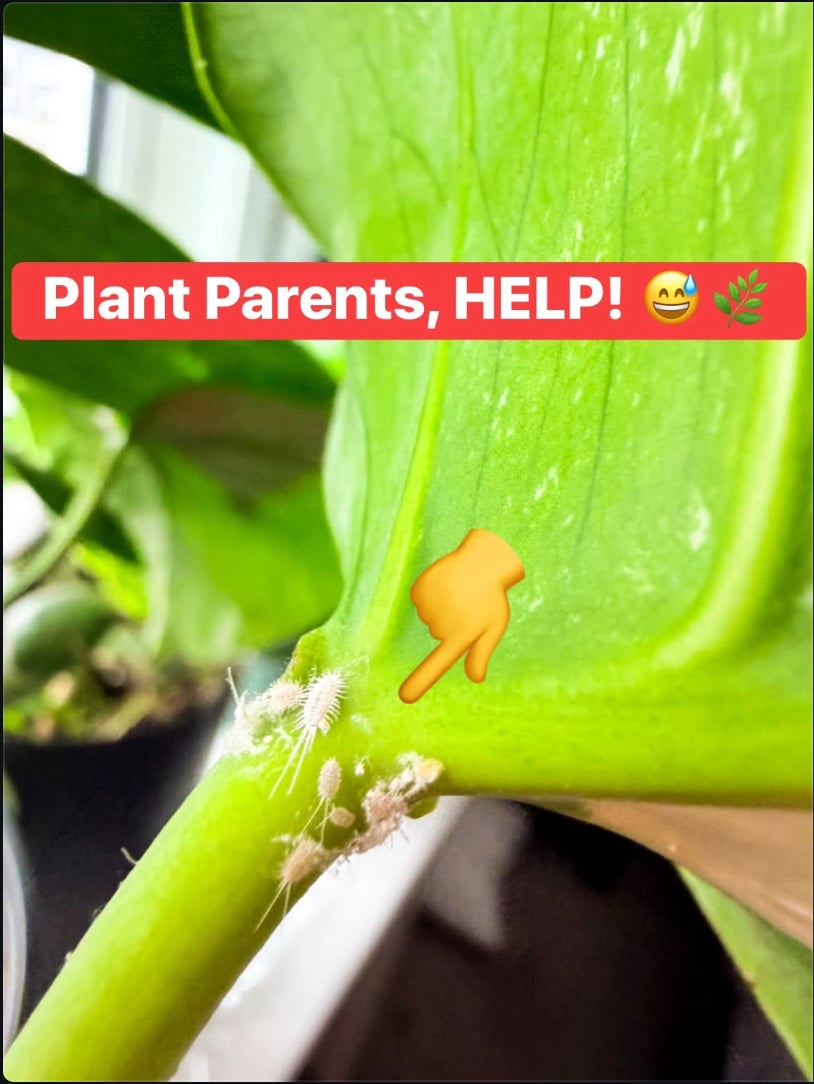
Are these white insects on my plant mealybugs and how do I get rid of them?
Those fluffy white insects in the leaf joint are mealybugs. Isolate the plant, wipe them off with cotton dipped in diluted rubbing alcohol, and repeat weekly, adding insecticidal soap or neem oil if they keep coming back.
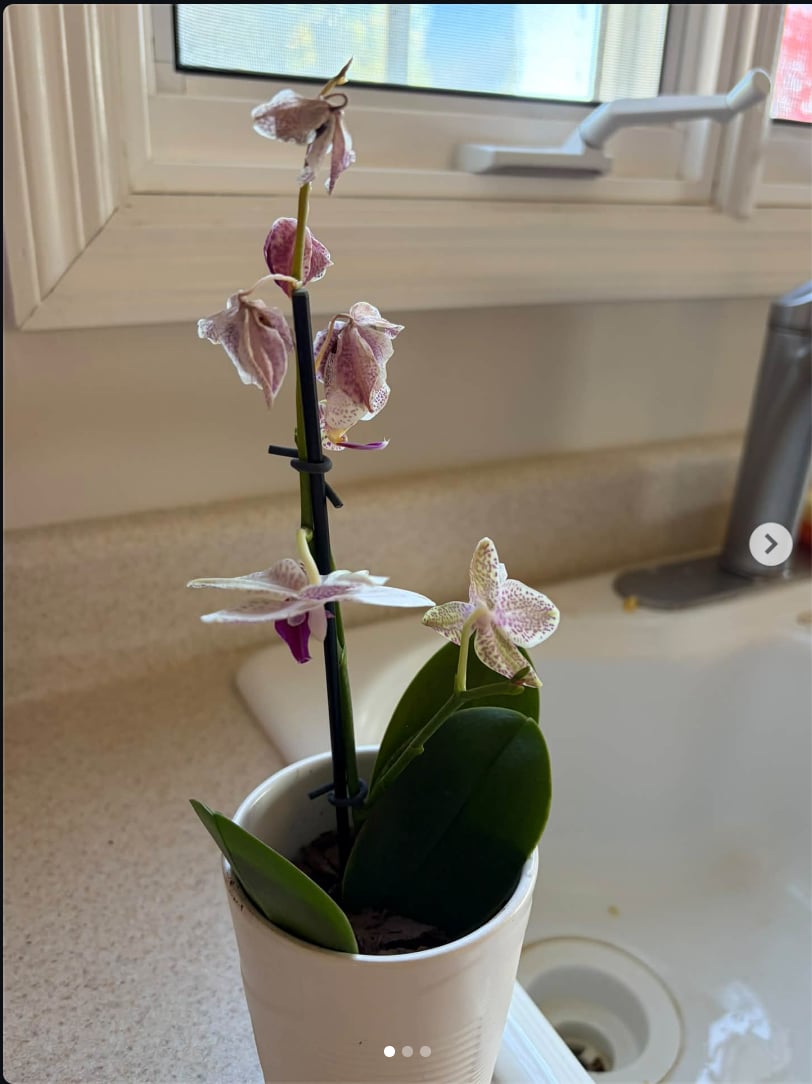
orchid, basil, croton
Can these orchid, basil, and croton plants be saved?
Yes, the orchid and croton are probably salvageable, but the herb in the black pot looks too dried out to recover. Check each plant’s stems and roots for green, firm tissue, trim off dead parts, repot if needed, and adjust light and watering so they can regrow.