
plumeria (frangipani) · Asked on Facebook · 1 November 2026
How can I tell if my plumeria roots are rotting and when should I cut them?
Yes, that tissue is likely starting to rot from staying too wet. Cut back to firm, clean, white tissue as soon as the soil has a few dry days, then improve drainage so the area doesn’t stay waterlogged after heavy rain.
The question
“Possible Rot Does this look like this root is starting to rot? It is not very milky when I cut into it. And also somewhat soft. We did get a lot of rain about 1 month back. Unfortunately more than 1 root is this way on a 20yr old plant. In Bradenton Fl. When should I start cutting it out, Spring time?”
What's likely going on
From the photo, the big root/base you cut into looks soft and somewhat translucent instead of firm and “crisp.” For a plant like plumeria, healthy roots and base tissue are usually solid, white to cream, and ooze milky sap when cut.
What can actually be seen:
- Soft, slightly jelly‑looking white tissue where you cut.
- Dark, stained outer bark and soil that look like they’ve stayed quite wet.
What’s likely happening:
- Early root or crown rot from excess moisture after heavy rains. In Florida’s heat, fungi that cause rot (like Pythium/Phytophthora) spread quickly when soil stays soggy.
- If several main roots feel soft or hollow, the problem is already established and shouldn’t wait until spring.
A true rot will usually be soft to mushy, may smell sour, and may turn tan, brown, or gray as it advances. Firm, slightly flexible tissue with no smell is more likely still healthy.
What to do
Check the texture and smell
Gently press the area with a finger or a blunt tool. If it’s mushy, stringy, or foul‑smelling, it’s rot and should be removed.Cut back to healthy tissue now
Wait for a spell of dry weather. With a clean, sharp knife or pruning saw, cut away all obviously soft or discolored tissue. Stop only when the cut surface is firm, evenly white/cream, and not slimy.Keep tools and the wound clean
Disinfect tools between cuts (rubbing alcohol or 10% bleach, then rinse and dry). Let the wound dry and callus in open air; don’t cover it with soil or mulch.Improve drainage around the base
Pull mulch and soil a little back from the trunk so the crown is slightly raised and dries quickly. Avoid piling mulch against the stem.Adjust watering
After big rains, let the area dry well before any extra watering. Plumerias prefer a dry‑down between waterings.Optional: soil fungicide drench
If many main roots are soft, a labeled soil fungicide for Phytophthora/root rots can help slow spread. Follow the label and keep pets/kids away until it dries.
How to prevent it
- Plant or mound plumerias in well‑drained, slightly raised beds.
- Use coarse material (pine bark, perlite, gravel) near the root zone if soil is heavy.
- Keep mulch thin (2–3 cm) and off the trunk.
- Avoid frequent light watering; water deeply but only when the top soil has dried.
When to worry
- The plant starts dropping leaves suddenly, or branches shrivel from the tips.
- The base feels hollow or you can press in the trunk.
- Rot circles most of the trunk or several major roots.
In those cases, call a local arborist or experienced plumeria grower; a 20‑year‑old plant is worth saving, and early, careful surgery plus better drainage gives it the best chance.
Answered by the GrowPls assistant. Every plant and room is different; if things don't improve, a clear close-up photo of the affected part is the fastest way to a better answer.
Related questions
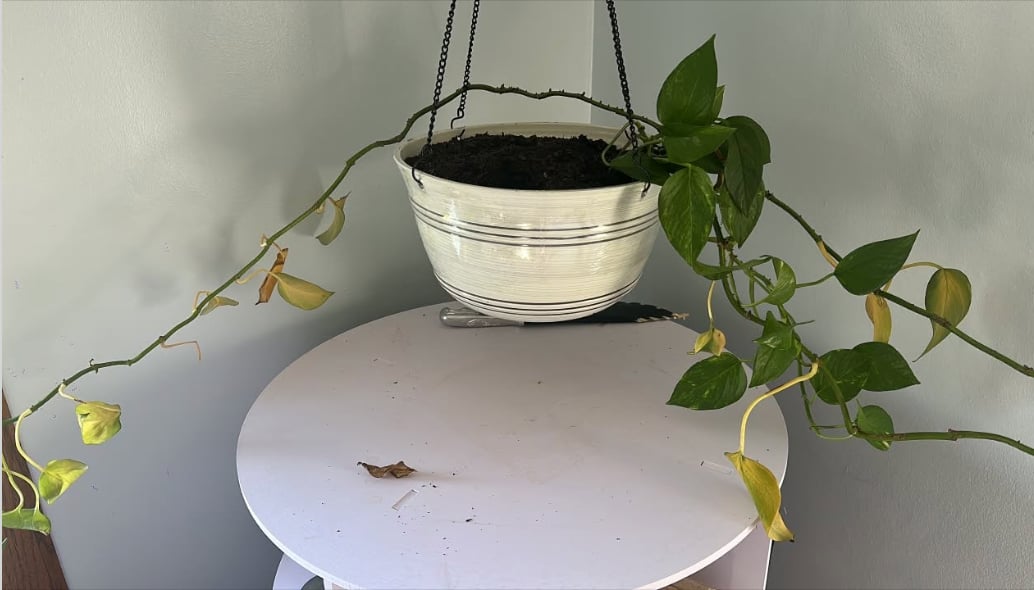
pothos (money plant)
Why are my pothos leaves turning yellow after repotting?
Those yellow leaves are most likely from stress after repotting plus soil that’s staying too wet. Check that the pot drains well, let the soil dry a bit between waterings, and trim off the worst yellow leaves.
How do I know when my plants need watering?
Most plants should be watered when the top layer of soil has dried out, not on a fixed schedule. Check the soil with your finger, lift the pot to feel the weight, and watch the leaves for early signs of thirst like slight drooping or dullness.
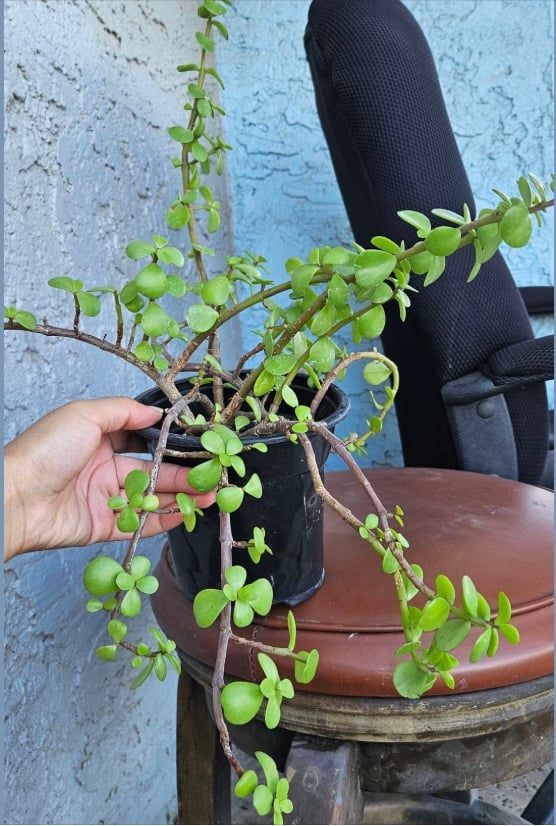
elephant bush
Why is my elephant bush (Portulacaria afra) droopy and losing leaves?
This elephant bush is most likely reacting to a change in light and watering, and it’s probably staying too wet in its current soil. Move it to brighter light, let it dry more between waterings, and consider repotting into a fast‑draining succulent mix.
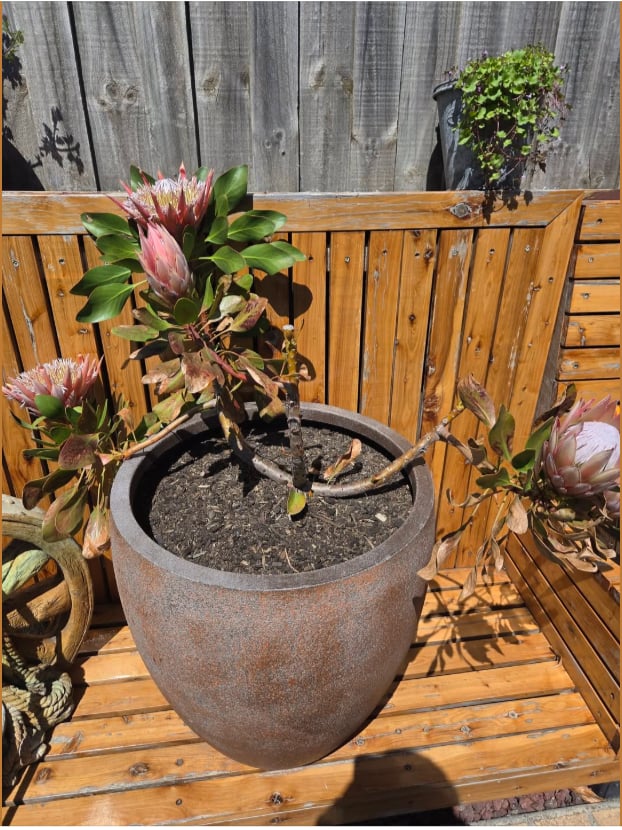
protea
How can I save my potted protea that is browning and sparse?
The protea in the photo is stressed, likely from a mix of poor drainage/over‑watering and an unsuitable potting mix. Trim back the dead stems, improve drainage, and refresh with a very free‑draining, low‑fertility mix, then water deeply but only when the top of the mix has dried out.