
ZZ plant · Asked on Facebook · 5 November 2026
How often should I water my ZZ plant in warmer months?
In warm months, most ZZ plants need watering about every 2–3 weeks, but always check the soil—only water when the top half of the pot is completely dry.
The question
“Just gave my ZZ plant some fresh air today. ☀️ How often do you guys water yours during the warmer months?"”
What's likely going on
ZZ plants (Zamioculcas zamiifolia) are very drought‑tolerant and store water in their thick stems and roots. In warmer months they’ll dry out faster, but they still hate sitting in constantly wet soil.
How often to water depends on:
- Light: In bright light, they use water faster; in low light they stay wet for a long time.
- Pot and soil: Plastic pots and dense soil stay wetter; clay pots and chunky, well‑draining mixes dry faster.
- Temperature and airflow: Hotter, drier rooms with fans or open windows dry the soil more quickly.
Most healthy indoor ZZ plants in warm weather land somewhere around every 2–3 weeks, but the calendar is less important than checking the soil.
What to do
- Use the finger test before watering. Stick a finger in the soil as deep as you can. Only water when the top half of the pot feels dry, not just the surface.
- Water deeply, then let it drain. Water until it runs out of the drainage holes, then empty any saucer so the plant doesn’t sit in water.
- Adjust for light level.
- Bright, indirect light: likely every 10–18 days.
- Low light: often every 3–4 weeks.
- Watch the leaves.
- Overwatering signs: yellowing leaves, mushy stems, soil smelling sour.
- Underwatering signs: wrinkled stems, very dry, pulling away from pot edges.
- Improve drainage if it stays wet for a week. Mix in perlite, pumice, or coarse sand, and make sure there are drainage holes.
How to prevent it
- Use a well‑draining potting mix (regular houseplant soil plus 30–40% perlite or similar).
- Keep the plant in bright, indirect light so it uses water steadily.
- Choose a pot with drainage holes; avoid decorative pots with no outlet unless you use them as outer covers only.
- In very hot months, check soil weekly but only water when it’s actually dry.
When to worry
- Stems turn soft, dark, and collapsing – likely root rot from overwatering.
- Soil stays wet more than 7–10 days after watering.
- A strong rotten smell comes from the pot.
If that happens, unpot the plant, cut away mushy roots, repot in fresh, dry mix, and water much less often until it recovers.
Answered by the GrowPls assistant. Every plant and room is different; if things don't improve, a clear close-up photo of the affected part is the fastest way to a better answer.
Related questions
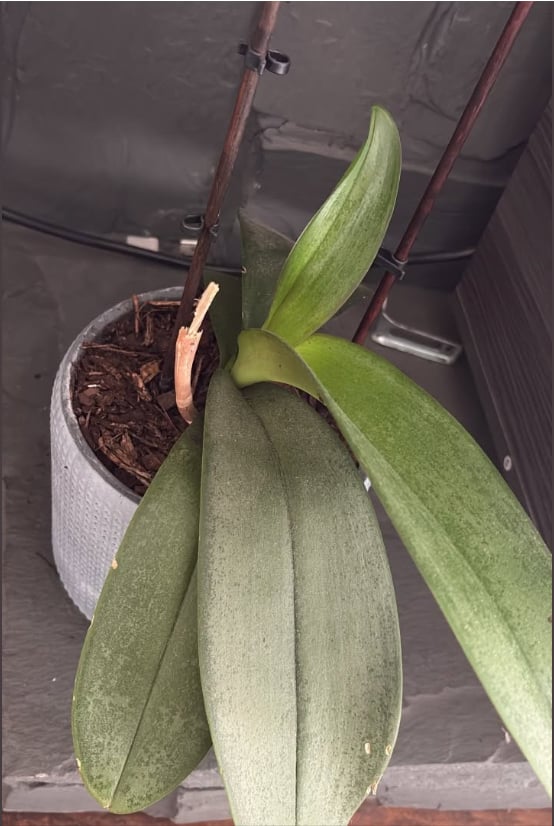
moth orchid (Phalaenopsis)
Why hasn’t my orchid flowered again for a year?
This moth orchid looks healthy enough but likely isn’t getting the right mix of bright light, feeding, and a slight temperature drop that triggers new flower spikes. Improve light, start regular orchid fertilizer, and give it a cooler, brighter spot for a few weeks to encourage blooming.
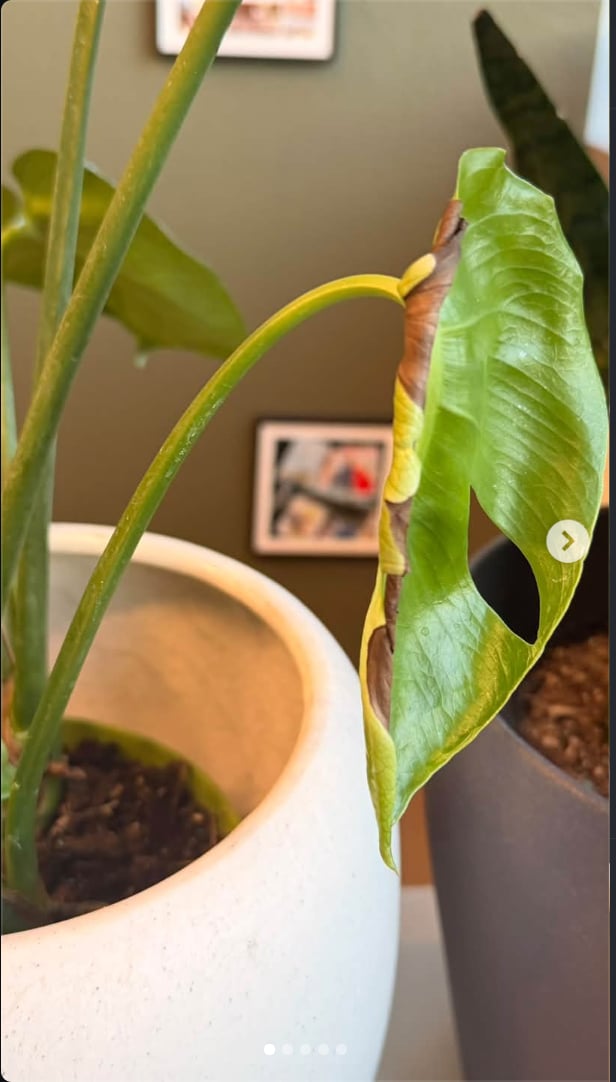
monstera
Why is my Monstera new leaf browning before it fully opens?
That brown edge on the new leaf is usually from stress while the leaf is still tightly rolled – most often low humidity, underwatering, or the leaf getting stuck and damaged. Check watering, light, and humidity, and focus on helping the next leaf grow in better.
How do I know when my plants need watering?
Most plants should be watered when the top layer of soil has dried out, not on a fixed schedule. Check the soil with your finger, lift the pot to feel the weight, and watch the leaves for early signs of thirst like slight drooping or dullness.
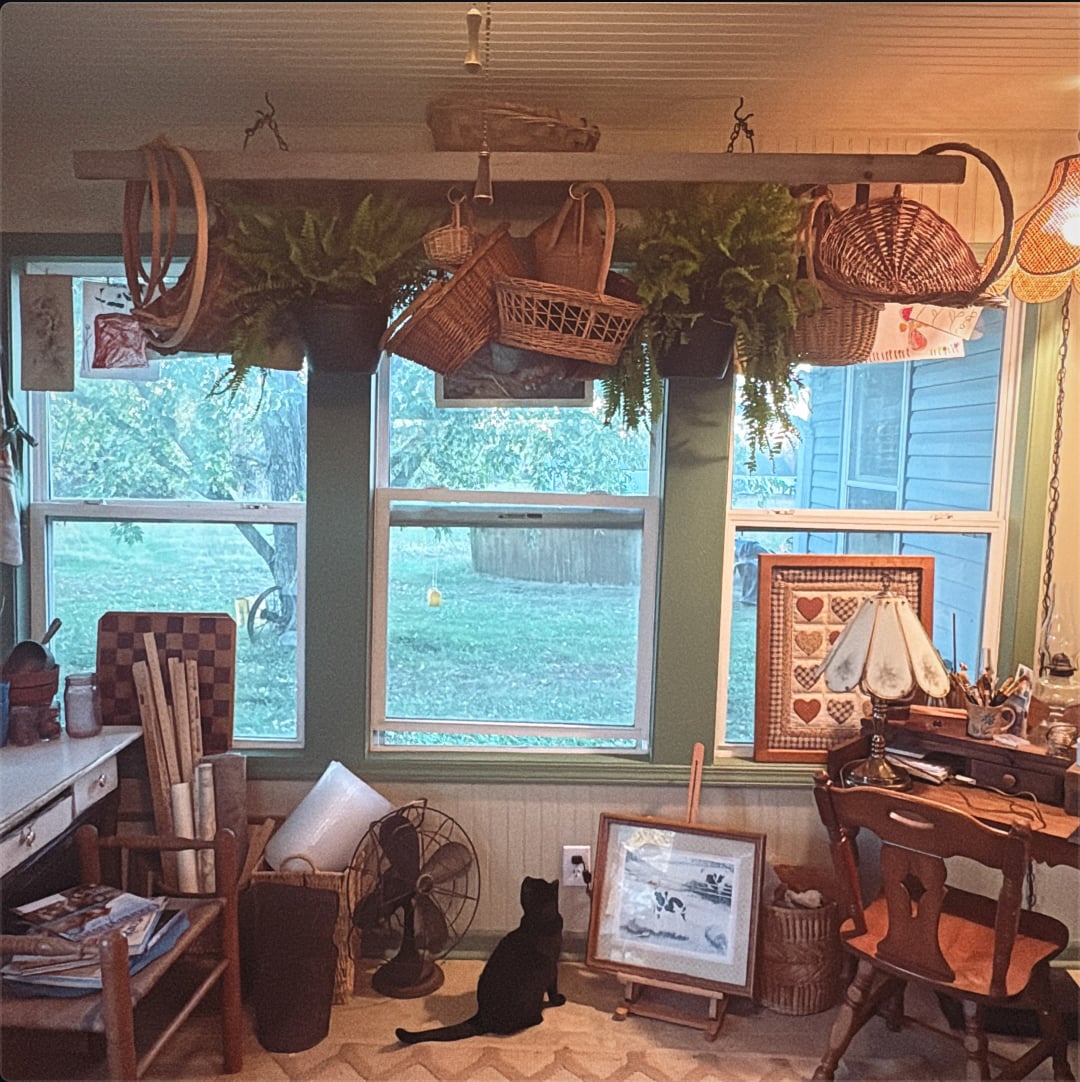
fern (likely Boston fern)
How do I overwinter hanging ferns in a bright sunroom?
That sunroom spot should work well if the ferns get bright but not harsh direct sun and the air isn’t too hot or dry. Indoors, water whenever the top of the soil just starts to feel dry, which is often about once a week but depends on your room’s temperature and humidity.