
euphorbia (succulent type) · Asked on Facebook · 2 November 2026
How often should I water this small succulent/euphorbia?
This is a succulent-type euphorbia, so water deeply but only when the soil is completely dry, then let it drain fully. In bright indoor light, that usually means about every 10–21 days, adjusting with the seasons and always checking the soil instead of the calendar.
The question
“How often should I water this”
What's likely going on
The plant in the photo is a small succulent-type euphorbia growing in a clay (terracotta) pot, sitting in strong light by a window. Succulents store water in their stems, so they’re built to handle dryness much better than constant moisture.
Clay pots dry out faster than plastic, and the plant is still small, so its roots don’t use water very quickly. That means it’s easier to overwater than underwater.
Because photos can’t show how wet the soil is or what mix it is (regular potting soil vs. gritty cactus mix), it’s safest to base watering on how dry the soil feels rather than a fixed schedule.
What to do
Check the soil before watering
Stick a finger in up to the first knuckle. If it feels even slightly damp or cool, wait. Only water when it feels completely dry.Water thoroughly, not in sips
When it’s dry, water until it runs out of the drainage hole, then empty any water from the saucer. This soaks all the roots but doesn’t leave them sitting in water.Use a rough schedule as a guide
- Warm, bright season: usually every 10–14 days.
- Cooler or darker months: often every 2–3+ weeks.
Always let the dryness test overrule the calendar.
Improve the soil if it stays wet too long
If the soil takes more than a week to dry, repot into a cactus/succulent mix or add coarse sand/perlite to regular soil for better drainage.Watch for signs
Wrinkling/shriveling = likely too dry; soft, dark, or mushy stems = too much water. If you see rot, cut back watering and let the soil dry more between waterings.
(Note: Many euphorbias have a milky sap that’s irritating if touched or eaten, so keep out of reach of pets and children.)
How to prevent it
- Keep it in bright light so the soil dries at a healthy pace.
- Always use pots with drainage holes.
- Avoid misting; succulents prefer dry air and water at the roots only.
When to worry
- The stem becomes soft, dark, or collapses: likely rot from overwatering—let it dry out and consider repotting into fresh, dry, fast-draining mix.
- A sudden pale or yellow color plus mushy spots: reduce watering immediately and move to a brighter, airy spot.
Answered by the GrowPls assistant. Every plant and room is different; if things don't improve, a clear close-up photo of the affected part is the fastest way to a better answer.
Related questions
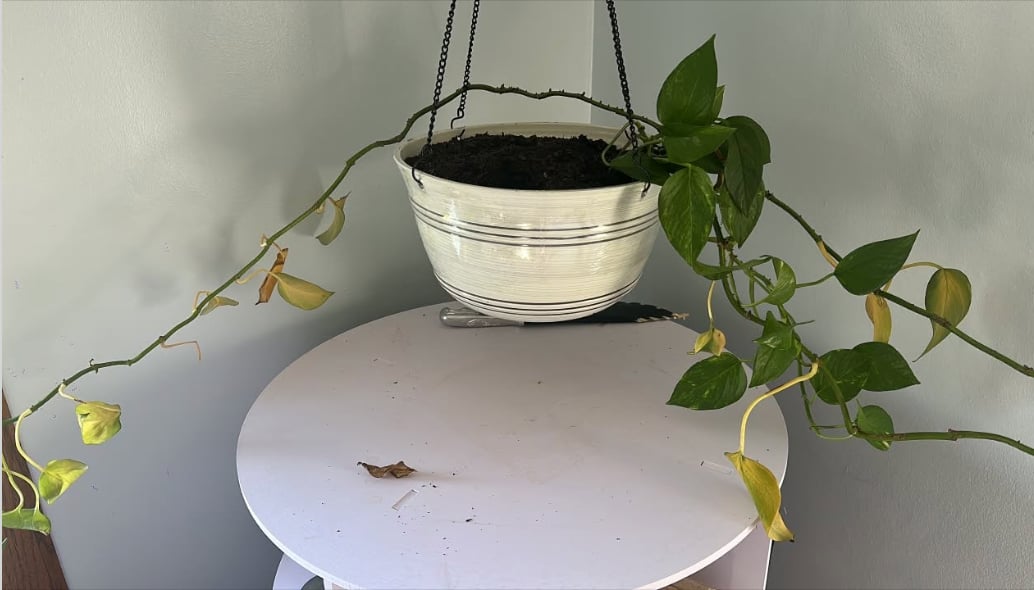
pothos (money plant)
Why are my pothos leaves turning yellow after repotting?
Those yellow leaves are most likely from stress after repotting plus soil that’s staying too wet. Check that the pot drains well, let the soil dry a bit between waterings, and trim off the worst yellow leaves.
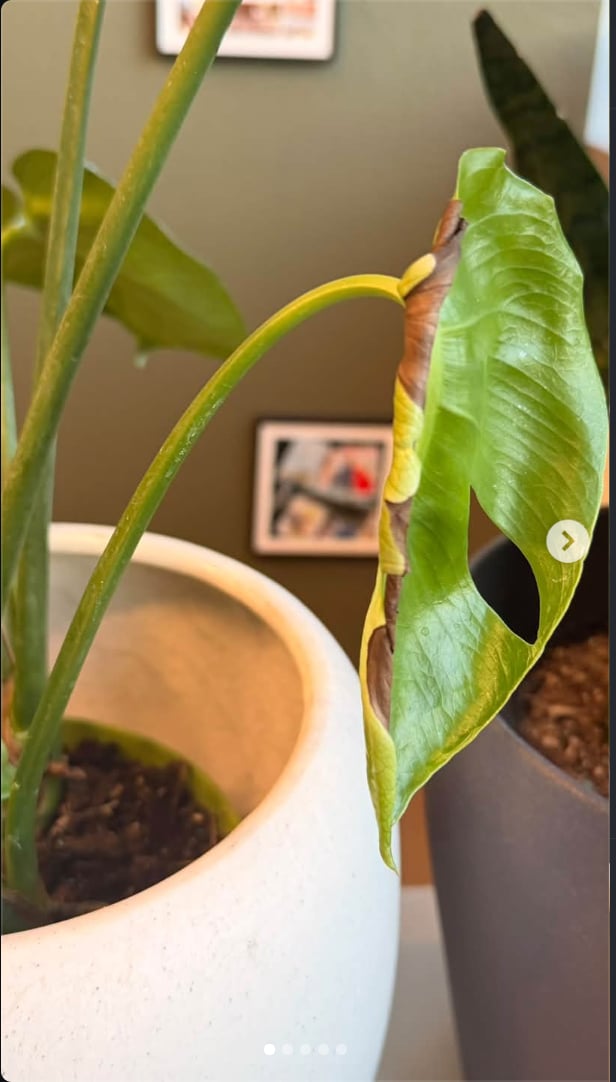
monstera
Why is my Monstera new leaf browning before it fully opens?
That brown edge on the new leaf is usually from stress while the leaf is still tightly rolled – most often low humidity, underwatering, or the leaf getting stuck and damaged. Check watering, light, and humidity, and focus on helping the next leaf grow in better.
How do I know when my plants need watering?
Most plants should be watered when the top layer of soil has dried out, not on a fixed schedule. Check the soil with your finger, lift the pot to feel the weight, and watch the leaves for early signs of thirst like slight drooping or dullness.
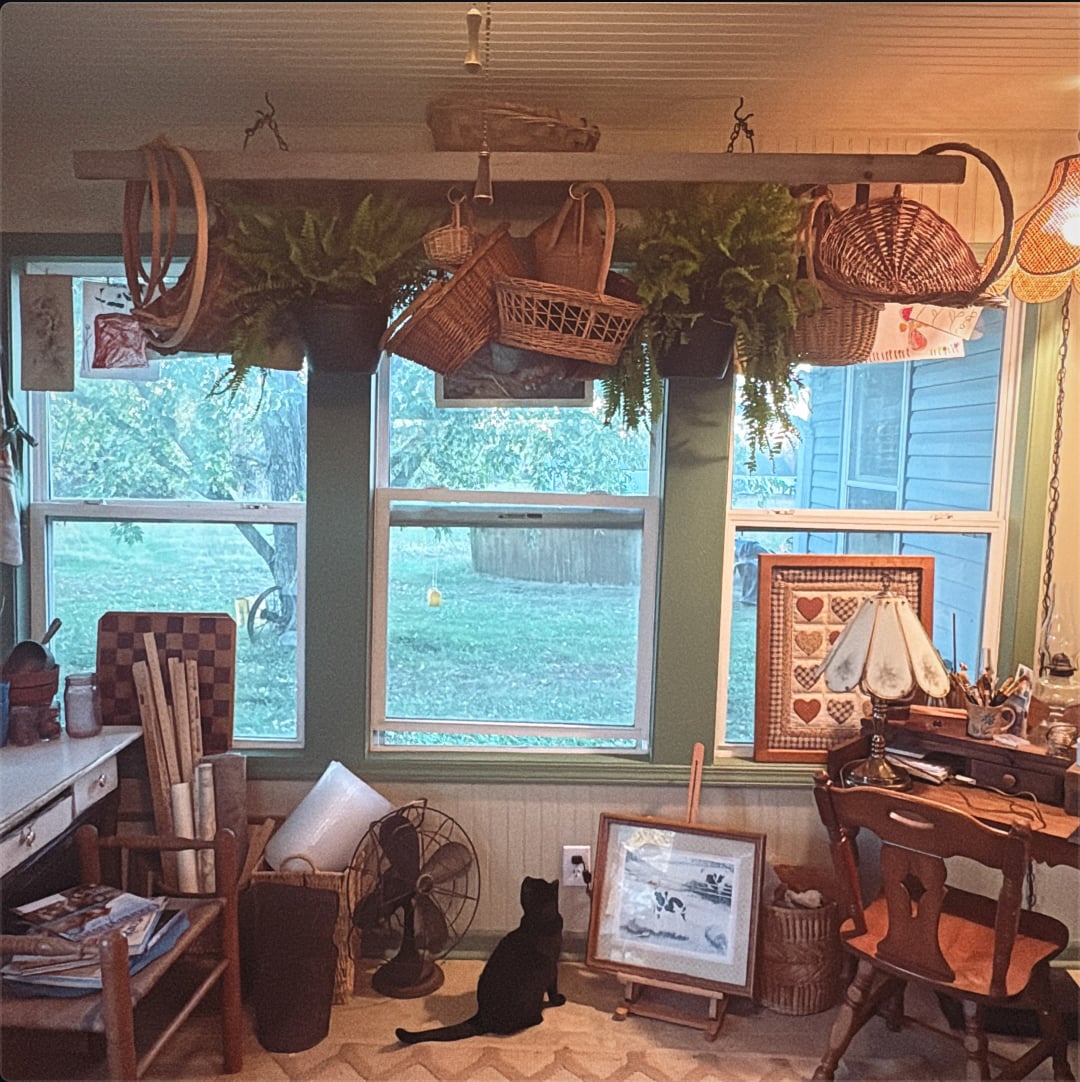
fern (likely Boston fern)
How do I overwinter hanging ferns in a bright sunroom?
That sunroom spot should work well if the ferns get bright but not harsh direct sun and the air isn’t too hot or dry. Indoors, water whenever the top of the soil just starts to feel dry, which is often about once a week but depends on your room’s temperature and humidity.