
Asked on Facebook · 5 November 2026
What are the best basic tips for a beginner plant owner?
Start by choosing easy plants, matching them to your light, and learning when to water from the soil—not the calendar. Keep things simple: good light, proper watering, and a pot with drainage will prevent most beginner problems.
The question
“What are some tips for a beginner plant owner?”
What's likely going on
Getting started with plants can feel confusing because every plant seems to have different rules. In reality, most beginner struggles come down to the same few things: wrong light, watering too often, and pots without drainage.
If those three are handled well, most beginner‑friendly plants will do just fine.
What to do
Choose truly easy plants
Start with tough ones: pothos, snake plant, ZZ plant, spider plant, peace lily, philodendron, jade, aloe, or areca palm. Avoid fussy plants at first (calathea, maidenhair fern, most bonsai).Match the plant to your light
Watch your room at different times of day. Lots of bright indirect light (a well‑lit room where you can read easily) suits most houseplants. Low light corners are only good for the toughest plants (snake, ZZ). Don’t put most plants in harsh midday sun behind clear glass; leaves can burn.Learn to water by checking the soil
Don’t follow a fixed schedule. Instead, stick a finger into the pot:- If the top 2–5 cm (about a finger’s depth) are dry, that’s usually time to water.
- If it’s still moist, wait a few days.
Water thoroughly until excess drains out the bottom, then empty any saucer.
Always use pots with drainage holes
This prevents roots sitting in water and rotting. If you love decorative pots with no hole, keep the plant in a plastic nursery pot and place that inside the decorative one.Use a simple, good potting mix
For most indoor plants, a general houseplant mix is fine. For cactus and succulents, use a fast‑draining "cactus mix" if available.Watch the leaves for feedback
Yellowing + soggy soil usually = overwatering. Crispy brown edges + very dry soil usually = underwatering or very dry air. Adjust one thing at a time.
How to prevent it
- Group plants with similar light and watering needs together.
- Rotate pots every few weeks so plants grow evenly.
- Dust leaves gently now and then so they can photosynthesize well.
- Fertilize lightly during the growing season (spring–monsoon) with a balanced liquid fertilizer at half strength, about once a month.
When to worry
- If multiple plants suddenly droop or yellow while soil is wet, cut back watering and check for drainage problems or root rot.
- If new leaves are tiny, pale, or distorted, check light first, then consider gentle fertilizer.
- If you see lots of tiny bugs, webs, or sticky leaves, isolate that plant and look up common pests (like mealybugs or spider mites) before they spread.
Starting simple and observing your plants regularly is the fastest way to learn—most skills come from just watching how your plants respond and adjusting slowly.
Answered by the GrowPls assistant. Every plant and room is different; if things don't improve, a clear close-up photo of the affected part is the fastest way to a better answer.
Related questions
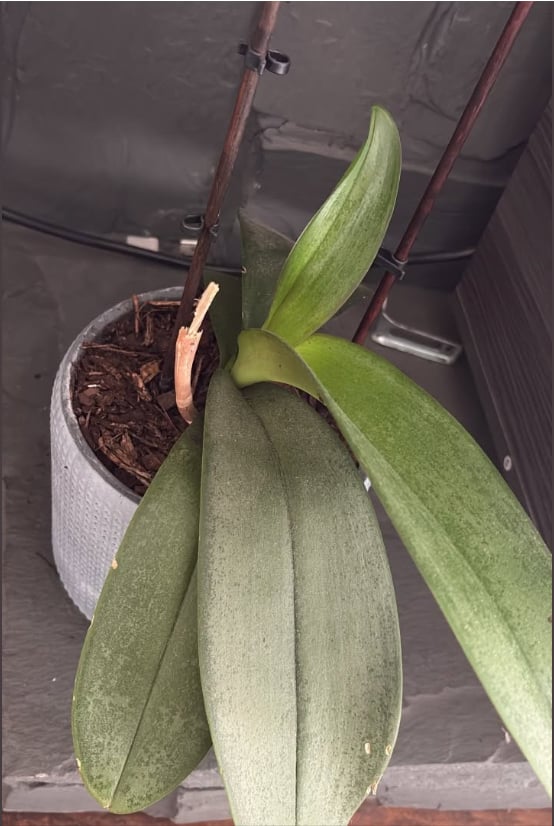
moth orchid (Phalaenopsis)
Why hasn’t my orchid flowered again for a year?
This moth orchid looks healthy enough but likely isn’t getting the right mix of bright light, feeding, and a slight temperature drop that triggers new flower spikes. Improve light, start regular orchid fertilizer, and give it a cooler, brighter spot for a few weeks to encourage blooming.
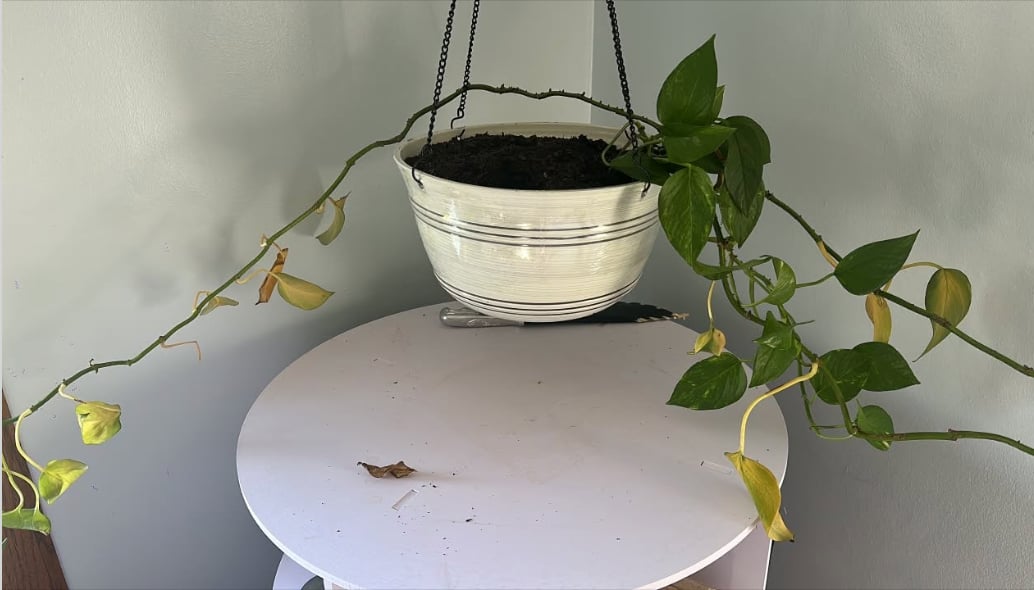
pothos (money plant)
Why are my pothos leaves turning yellow after repotting?
Those yellow leaves are most likely from stress after repotting plus soil that’s staying too wet. Check that the pot drains well, let the soil dry a bit between waterings, and trim off the worst yellow leaves.
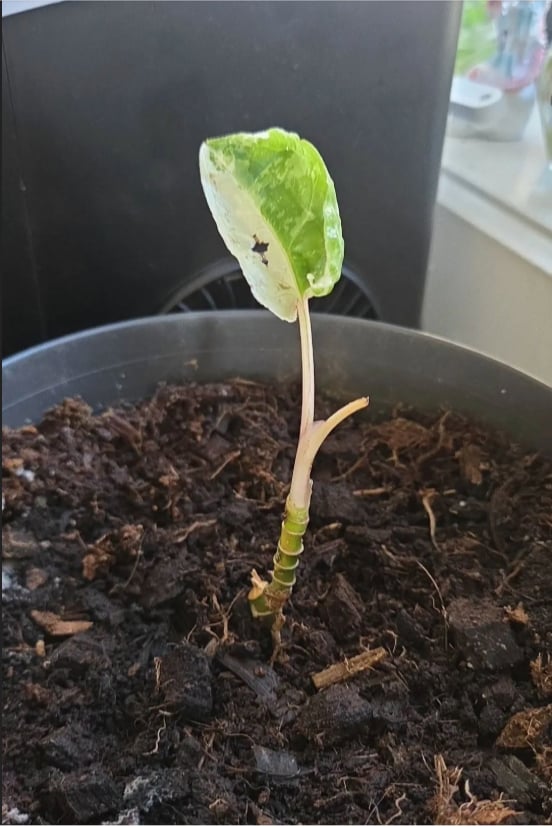
How can I identify this small cutting with only one damaged leaf?
From the photo, the plant is too small and damaged to confidently identify; it looks like a young aroid-type houseplant grown from a stem cutting. Let it grow a few new leaves and nodes, then compare leaf shape and growth habit for a more reliable ID.
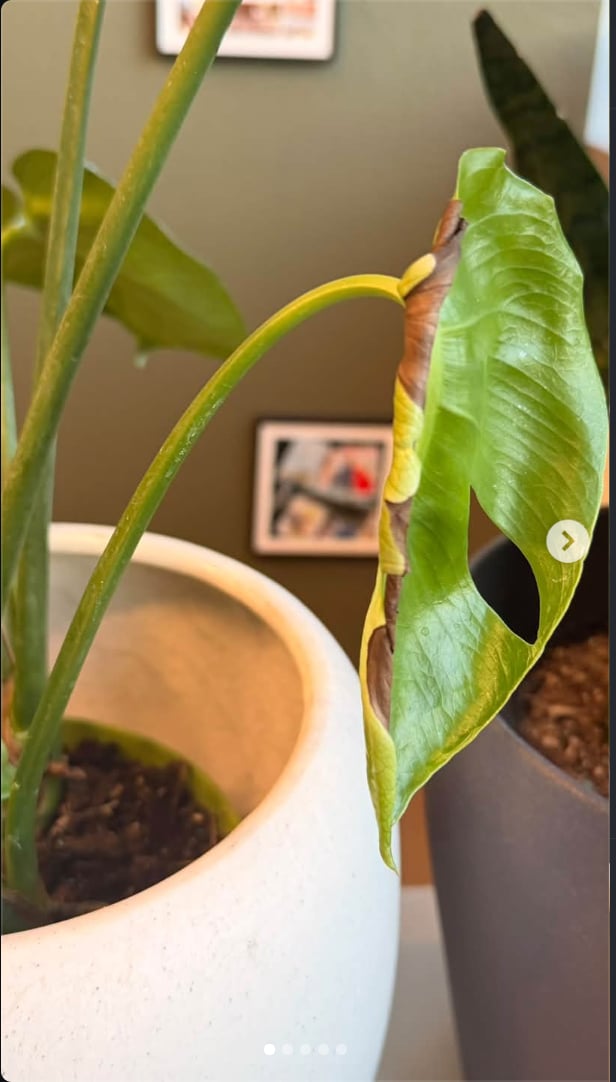
monstera
Why is my Monstera new leaf browning before it fully opens?
That brown edge on the new leaf is usually from stress while the leaf is still tightly rolled – most often low humidity, underwatering, or the leaf getting stuck and damaged. Check watering, light, and humidity, and focus on helping the next leaf grow in better.