
philodendron · Asked on Instagram · 31 October 2026
What are the tiny bugs in my philodendron potting soil?
Those look like moisture‑loving soil pests such as fungus gnats (or possibly springtails). Let the top of the soil dry out, add yellow sticky traps, and consider repotting into fresh, well‑draining mix if they’re heavy.
The question
“What are these bugs in the pot?”
What's likely going on
From the photo, there are clusters of very small dark specks on the plant tag and soil surface. The picture isn’t sharp enough to see body shape, so we can’t say the exact insect, but in houseplants like this philodendron, the two most common are:
- Fungus gnats – tiny black fly‑like insects that walk on the soil and fly up when disturbed. Their larvae live in constantly moist soil and feed on decaying material and fine roots.
- Springtails – tiny grey/white or dark bugs that run around on wet soil and may “jump” when touched. They mostly eat fungi and decaying matter and are more of a sign that the mix is staying very wet.
In both cases, they appear when the potting mix is kept damp for long stretches and there’s plenty of organic material to feed on.
A clearer close‑up of a single insect (from the side, with good light) would confirm which one, but the treatment is almost the same.
What to do
- Let the top 2–3 cm of soil dry before watering again. These pests need constant moisture; a drying cycle breaks their life cycle.
- Bottom‑water or water less often. When you do water, soak thoroughly, then drain well, and don’t leave water sitting in the saucer.
- Add yellow sticky traps at soil level. These catch adult fungus gnats and help reduce numbers.
- Stir and top with a dry layer. Gently fluff the top layer of soil and add a thin layer of coarse sand or small gravel; this makes the surface less friendly to egg‑laying.
- If infestation is heavy, repot. Move the philodendron into fresh, well‑draining potting mix, removing as much old soil as you can without tearing roots.
- For persistent gnats only: you can water once or twice with a biological control like Bacillus thuringiensis israelensis (BTi), often sold for mosquito control; it’s considered low‑toxicity but still keep away from pets and children.
How to prevent it
- Always use pots with drainage holes.
- Allow the soil to partly dry between waterings, especially in cooler or low‑light rooms.
- Avoid leaving fallen leaves to rot on the soil surface.
- Quarantine and check any new plant or bagged soil for hitchhiking insects.
When to worry
- If clouds of tiny flies appear every time the plant is touched, or seedlings and cuttings start to wilt, the gnat population is too high and you should combine drying cycles, sticky traps, and possibly BTi.
- If the plant’s new growth is stunted, roots are brown and mushy, or the pot never seems to dry, also check for overwatering and root rot in addition to the bugs.
- If numbers are modest and the plant is otherwise healthy, these bugs are mostly a nuisance and can be managed by adjusting watering habits.
Answered by the GrowPls assistant. Every plant and room is different; if things don't improve, a clear close-up photo of the affected part is the fastest way to a better answer.
Related questions
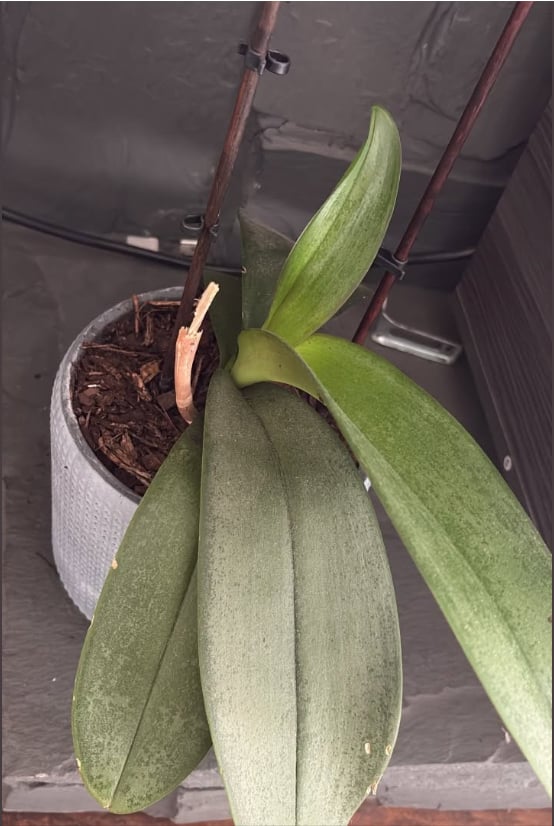
moth orchid (Phalaenopsis)
Why hasn’t my orchid flowered again for a year?
This moth orchid looks healthy enough but likely isn’t getting the right mix of bright light, feeding, and a slight temperature drop that triggers new flower spikes. Improve light, start regular orchid fertilizer, and give it a cooler, brighter spot for a few weeks to encourage blooming.
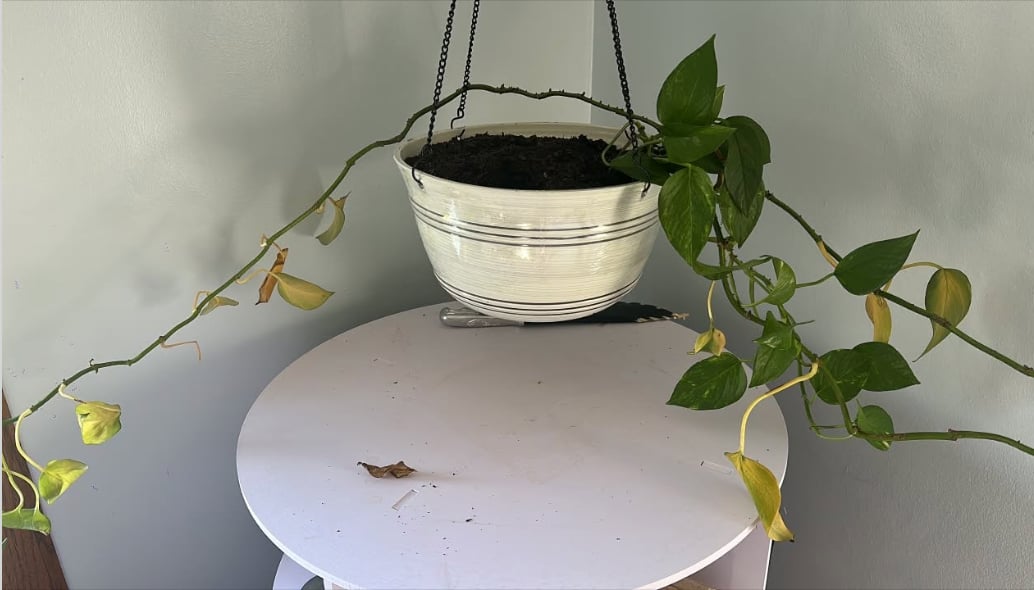
pothos (money plant)
Why are my pothos leaves turning yellow after repotting?
Those yellow leaves are most likely from stress after repotting plus soil that’s staying too wet. Check that the pot drains well, let the soil dry a bit between waterings, and trim off the worst yellow leaves.
How do I know when my plants need watering?
Most plants should be watered when the top layer of soil has dried out, not on a fixed schedule. Check the soil with your finger, lift the pot to feel the weight, and watch the leaves for early signs of thirst like slight drooping or dullness.
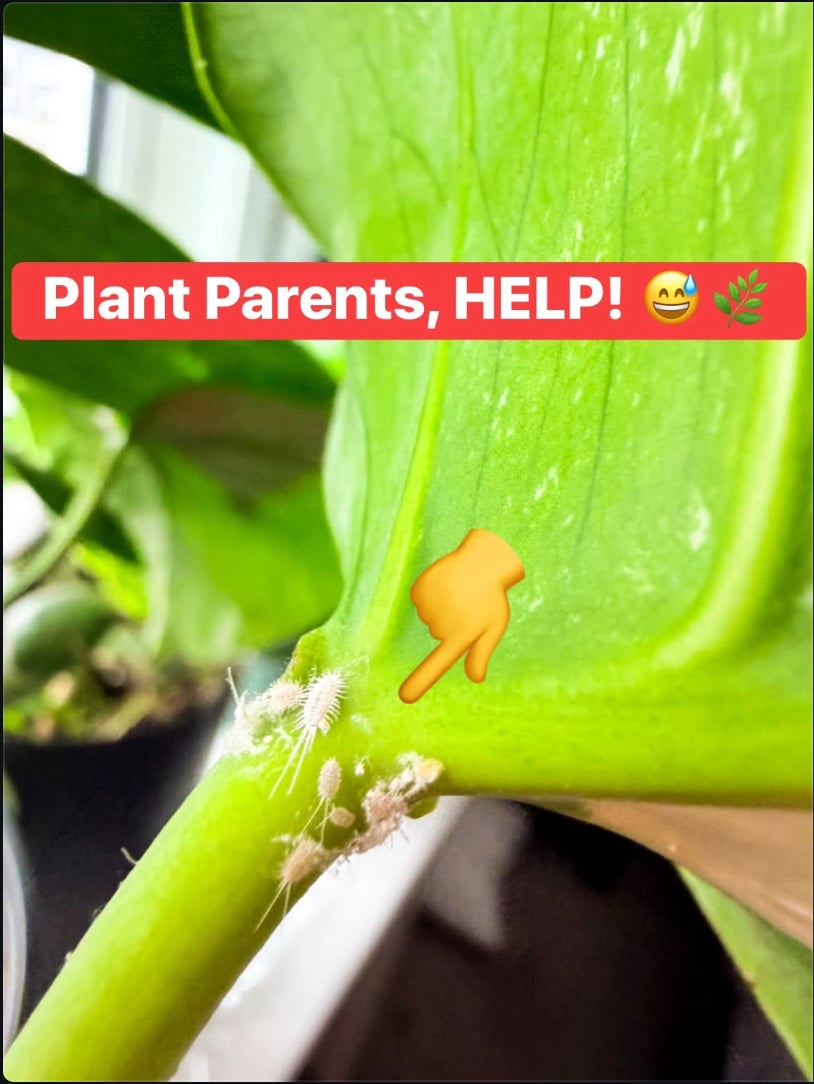
Are these white insects on my plant mealybugs and how do I get rid of them?
Those fluffy white insects in the leaf joint are mealybugs. Isolate the plant, wipe them off with cotton dipped in diluted rubbing alcohol, and repeat weekly, adding insecticidal soap or neem oil if they keep coming back.