
Asked on Facebook · 5 November 2026
What should I do when my plant leaves get brown spots?
Brown spots usually come from either watering issues, sunburn, pests, or a fungal disease. First, check the pattern of the spots, how you water, and look closely for insects, then remove the worst leaves and adjust care.
The question
“What's your best advice for a plant with brown spots?🌿🍂”
What's likely going on
Without a specific plant or photo, brown spots usually come from a few common causes:
Watering and roots
• Overwatering can cause root rot: spots start as soft or yellow patches that turn brown, often on lower, older leaves first.
• Underwatering or inconsistent watering: crispy brown patches or edges, soil dries rock hard between waterings.Leaf burn (sun or fertilizer)
• Sudden strong sun after shade can cause dry, tan‑brown patches where the light hits.
• Fertilizer burn shows as brown tips and margins after a recent feed.Fungal or bacterial leaf spot
• Brown dots or blotches with a yellow halo, sometimes spreading from leaf to leaf.
• Often worse on crowded, constantly damp foliage.Pests
• Tiny sucking insects (thrips, spider mites, scale, etc.) cause speckled or patchy browning.
• You may see webbing, sticky leaves, or tiny moving dots.
What to do
Inspect closely
Check tops and undersides of leaves and stems with a bright light. Look for bugs, webbing, sticky honeydew, or fuzzy mold.Adjust watering
Water only when the top 2–5 cm of soil are dry for most houseplants. Empty any standing water from saucers. If soil smells sour and stays wet, consider repotting into fresh, well‑draining mix.Remove worst leaves
Use clean scissors to trim badly spotted or dead leaves. This improves looks and can slow spread of disease. Discard them in the trash, not the compost, if disease seems likely.Improve air and light
Give bright, indirect light and ensure good air flow around leaves. Avoid crowding plants and avoid wetting foliage late in the day.If pests are found
Rinse the plant gently, then treat with insecticidal soap or neem oil according to the label. Keep away from pets and children while leaves are wet.If it looks fungal/bacterial
Keep leaves dry, space plants out, and remove affected parts. For severe, spreading cases, a copper‑based fungicide can help—read labels carefully and use only if cultural fixes aren’t enough.
How to prevent it
- Water on a schedule guided by soil dryness, not the calendar.
- Avoid letting water sit on leaves, especially in the evening.
- Give the right light for the plant—no sudden moves from shade to harsh sun.
- Clean leaves gently every month to spot pests early.
- Don’t over‑fertilize; use a weak, balanced fertilizer during active growth only.
When to worry
- Brown spots spread very quickly over a few days.
- New growth comes in already damaged or deformed.
- The stem/base turns mushy, or there’s a bad smell from the soil.
If that happens, take clear photos of the whole plant, a close‑up of several spotted leaves (front and back), and the soil surface. Those details make it much easier to pinpoint the exact cause and treatment.
Answered by the GrowPls assistant. Every plant and room is different; if things don't improve, a clear close-up photo of the affected part is the fastest way to a better answer.
Related questions
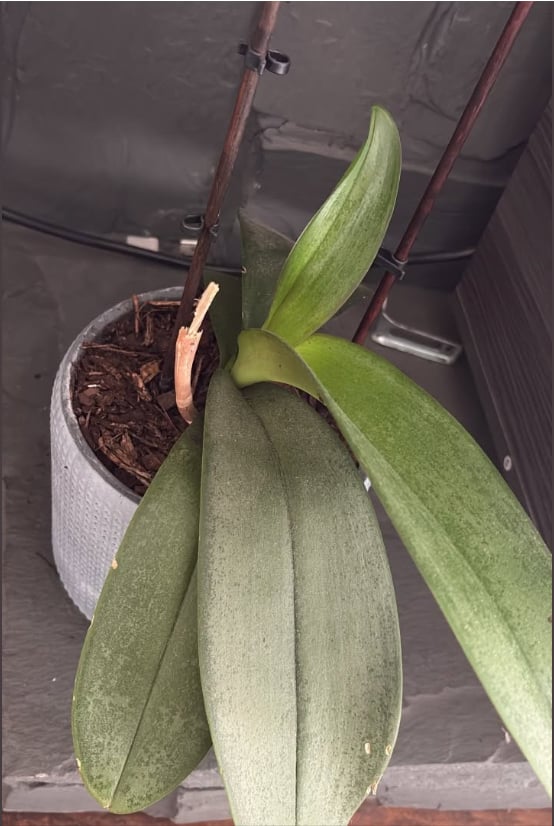
moth orchid (Phalaenopsis)
Why hasn’t my orchid flowered again for a year?
This moth orchid looks healthy enough but likely isn’t getting the right mix of bright light, feeding, and a slight temperature drop that triggers new flower spikes. Improve light, start regular orchid fertilizer, and give it a cooler, brighter spot for a few weeks to encourage blooming.
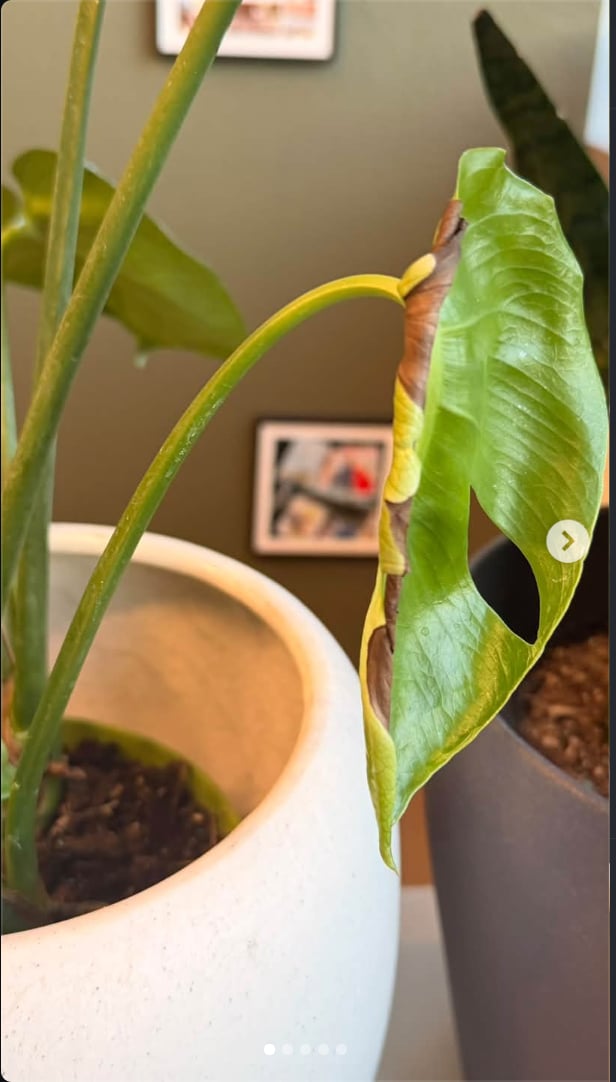
monstera
Why is my Monstera new leaf browning before it fully opens?
That brown edge on the new leaf is usually from stress while the leaf is still tightly rolled – most often low humidity, underwatering, or the leaf getting stuck and damaged. Check watering, light, and humidity, and focus on helping the next leaf grow in better.
How do I know when my plants need watering?
Most plants should be watered when the top layer of soil has dried out, not on a fixed schedule. Check the soil with your finger, lift the pot to feel the weight, and watch the leaves for early signs of thirst like slight drooping or dullness.
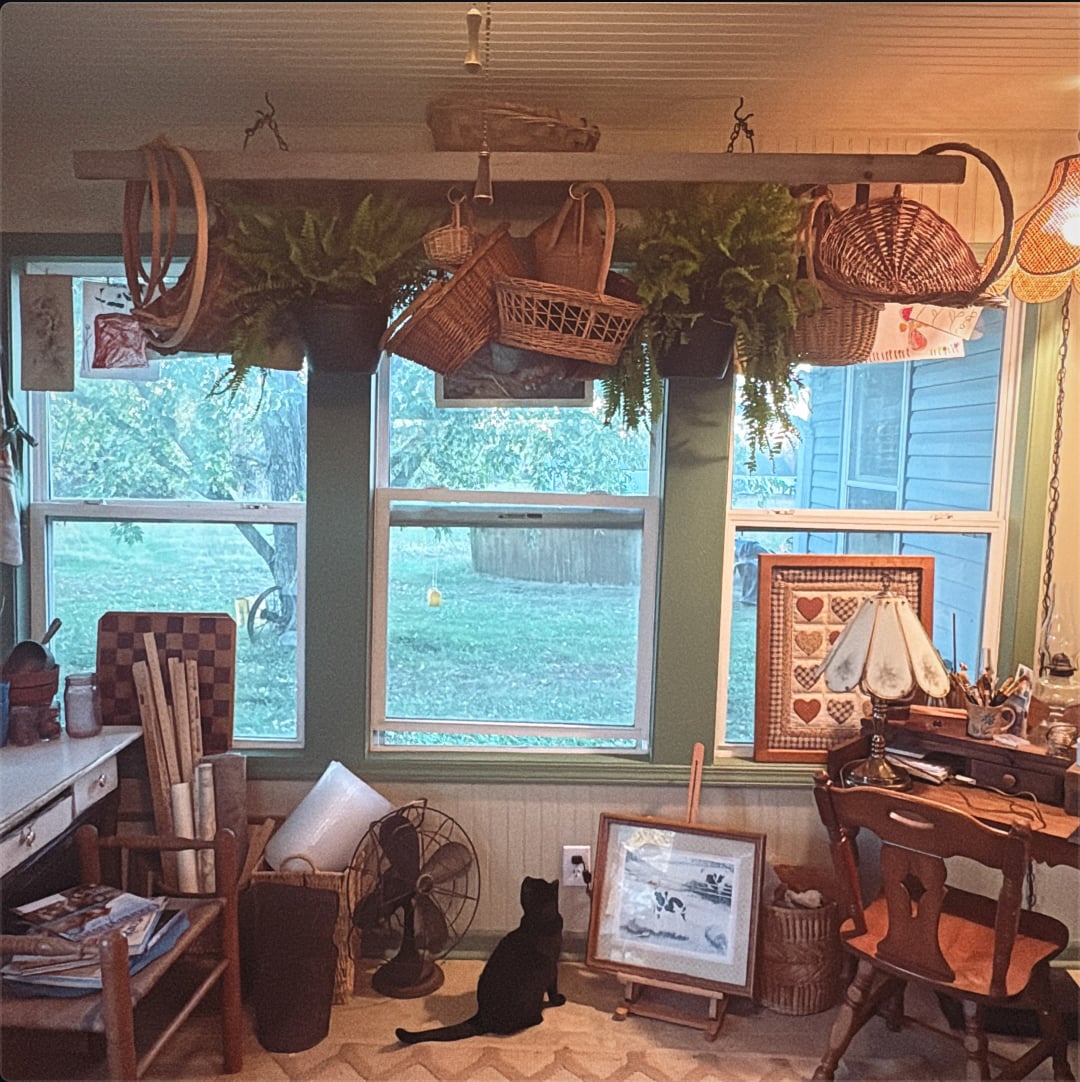
fern (likely Boston fern)
How do I overwinter hanging ferns in a bright sunroom?
That sunroom spot should work well if the ferns get bright but not harsh direct sun and the air isn’t too hot or dry. Indoors, water whenever the top of the soil just starts to feel dry, which is often about once a week but depends on your room’s temperature and humidity.