
Alocasia (African mask / Alocasia x amazonica) · Asked on Facebook · 2 November 2026
Why are my Alocasia (African mask) leaves getting yellow and brown patches?
Those yellow and brown patches are usually from stress to the roots and leaf tissue, most often from inconsistent or heavy watering plus strong light or low humidity. Check the roots and soil moisture, adjust watering, and move the plant to bright filtered light with higher humidity.
The question
“What's going wrong with my plant? I need advice”
What's likely going on
From the photo, the leaf has:
- Brown, dry patches between the veins
- A yellow “halo” around those patches
- Some edge yellowing and crisping
That pattern is typical of leaf tissue that has been damaged and then dried out, not a pest. On Alocasia, this usually comes from one or a mix of:
- Watering and root stress – Soil staying wet for a long time (or swinging from very dry to very wet) can damage roots. Damaged roots can’t supply water evenly, so parts of the leaf die off in patches.
- Light or temperature shock – Direct hot sun, or a cold draft, can scorch sections of an Alocasia leaf, which later turn brown with yellow edges.
- Fertilizer or mineral buildup – If fertilizer is strong or salts accumulate in the pot, the leaf tips and patches can burn similarly.
The photo doesn’t clearly show the potting mix or drainage holes, so to be sure, it helps to check the roots and soil condition.
What to do
Check the soil and roots
Gently slide the plant from its pot. Roots should be firm and light-colored. Trim any mushy, black, or foul-smelling roots, and repot in a loose, well‑draining mix (potting soil + perlite or coco chips).Adjust watering
Water only when the top 2–3 cm of soil feels dry. Water thoroughly, then empty any saucer so the pot isn’t sitting in water.Fix the light
Keep it in bright, indirect light. Move it back from harsh window sun or use a sheer curtain. Avoid cold drafts from AC or open windows at night.Rinse out excess fertilizer
If you fertilize often, run plenty of water through the pot once to flush salts. In future, feed lightly (about half strength) only in the growing season.Increase humidity
Alocasias like moist air. Group with other plants, use a pebble tray, or a humidifier if the air is very dry.Remove worst leaves
Once new growth looks healthy, you can cut off badly damaged leaves at the base. They won’t recover.
How to prevent it
- Keep a steady watering rhythm: consistently slightly moist, never soggy.
- Use a pot with drainage holes and airy mix.
- Protect from direct midday sun and sudden temperature swings.
- Fertilize sparingly and flush the soil a couple of times a year.
- Keep humidity moderate to high around the plant.
When to worry
- New leaves come out deformed, very small, or already spotted.
- Multiple leaves yellow and die in quick succession.
- The stem base or soil smells sour, and roots are mostly black or mushy.
If you see those signs, treat it as root rot (trim roots, fresh mix, smaller pot, careful watering). Otherwise, with gentler conditions, new leaves should grow in looking much better.
Answered by the GrowPls assistant. Every plant and room is different; if things don't improve, a clear close-up photo of the affected part is the fastest way to a better answer.
Related questions
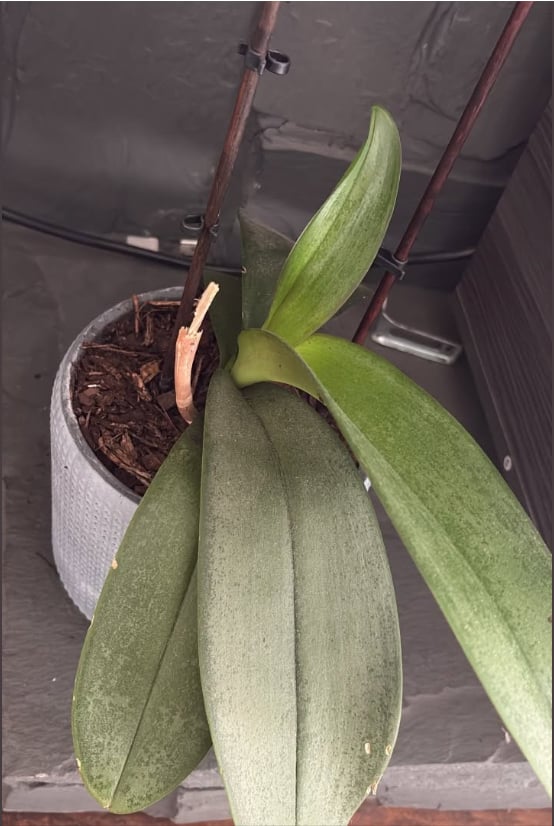
moth orchid (Phalaenopsis)
Why hasn’t my orchid flowered again for a year?
This moth orchid looks healthy enough but likely isn’t getting the right mix of bright light, feeding, and a slight temperature drop that triggers new flower spikes. Improve light, start regular orchid fertilizer, and give it a cooler, brighter spot for a few weeks to encourage blooming.
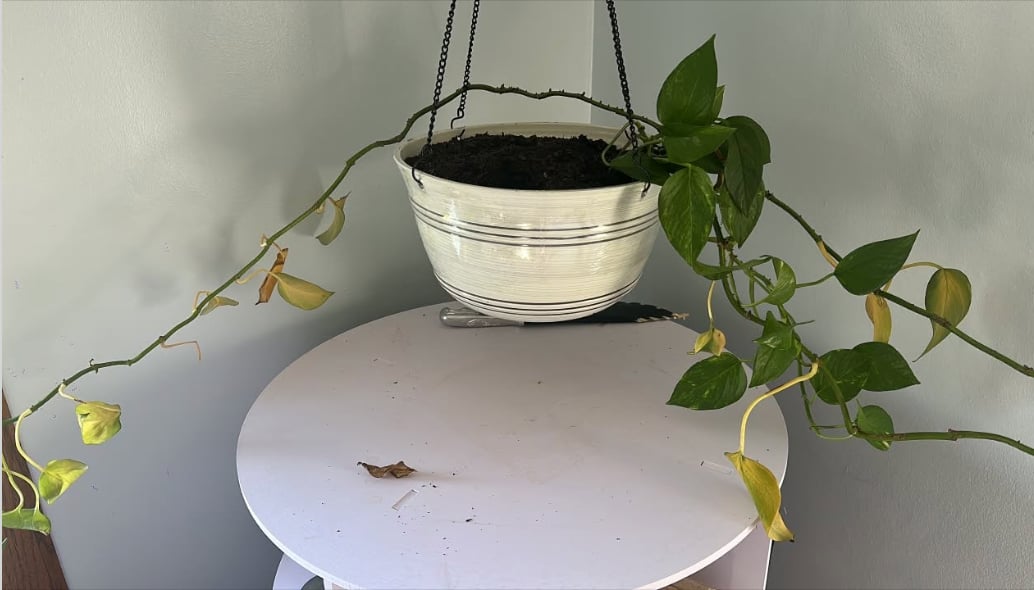
pothos (money plant)
Why are my pothos leaves turning yellow after repotting?
Those yellow leaves are most likely from stress after repotting plus soil that’s staying too wet. Check that the pot drains well, let the soil dry a bit between waterings, and trim off the worst yellow leaves.
How do I know when my plants need watering?
Most plants should be watered when the top layer of soil has dried out, not on a fixed schedule. Check the soil with your finger, lift the pot to feel the weight, and watch the leaves for early signs of thirst like slight drooping or dullness.
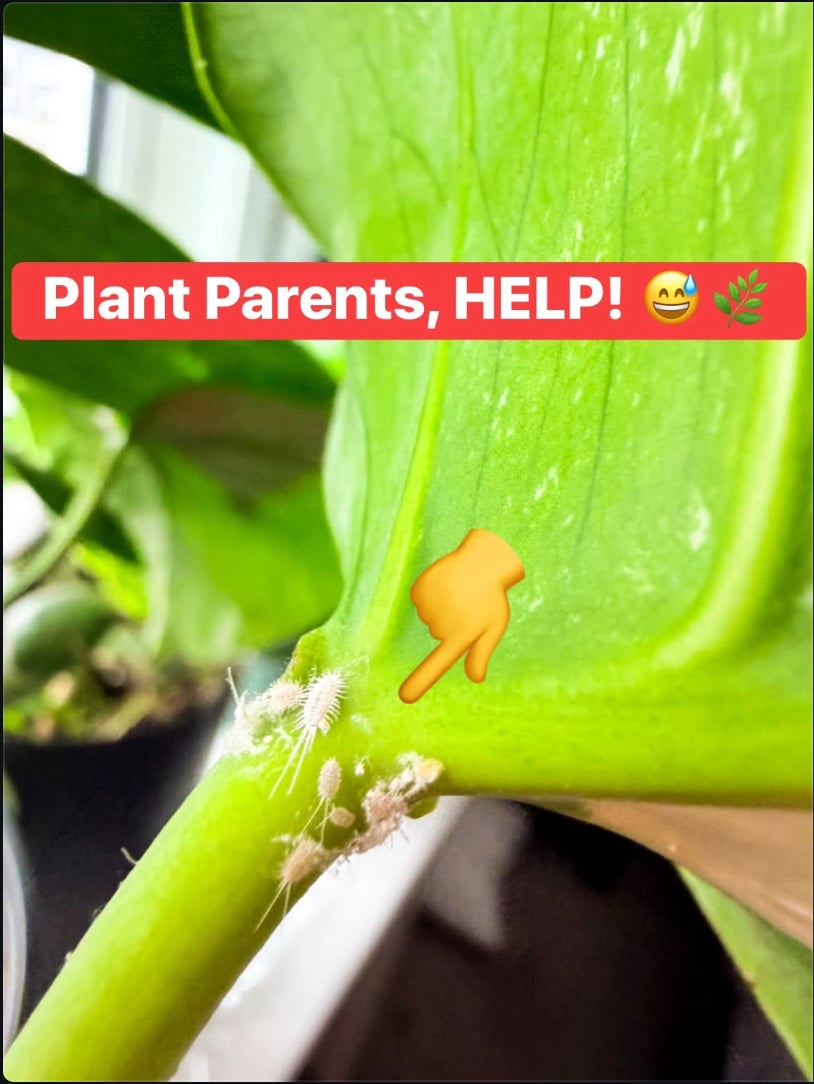
Are these white insects on my plant mealybugs and how do I get rid of them?
Those fluffy white insects in the leaf joint are mealybugs. Isolate the plant, wipe them off with cotton dipped in diluted rubbing alcohol, and repeat weekly, adding insecticidal soap or neem oil if they keep coming back.