
purple tradescantia and trailing peperomia · Asked on Facebook · 2 November 2026
Why are my new purple Tradescantia and trailing peperomia wilting?
Both plants look stressed from the move home plus either too much water and/or too-strong light. Check the roots, repot into a free‑draining mix, give bright but indirect light, and only water when the top of the soil has dried.
The question
“Just got this from little purple plant from a nursery and it’s already dying what am I doing wrong lol Advice on both plants would be helpful.”
What's likely going on
From the photos, the front purple plant looks like a type of Tradescantia (wandering dude / fantasy Venice type), and the trailing one is a peperomia.
What can be seen:
- Tradescantia: some leaves are limp and browning at the tips.
- Peperomia: stems and leaves look floppy and a bit shriveled, not firm.
Most likely causes (often combined):
- Post‑nursery shock. New plants go from greenhouse conditions to drier home air and different light, and often sulk or drop some growth the first couple of weeks.
- Watering problems in nursery soil. Both plants hate sitting in soggy peat. If the pot feels heavy and the soil stays wet for days, roots can start rotting, which shows up as limp, collapsing stems. If it’s bone‑dry and pulling from the sides, they’ll also flop, but the leaves will feel dry or crispy.
- Too much direct sun / heat. Tradescantia likes bright light but can scorch or dry out fast under strong direct sun or close grow lights. Peperomia prefers bright, indirect light.
What to do
- Check the soil and roots.
- Slide each plant gently out of its pot.
- If roots are mushy, dark, or smell sour, trim the worst bits with clean scissors.
- If roots are healthy, just loosen them a little.
- Repot into fresh, well‑draining mix.
- Use a pot with drainage holes.
- Mix regular potting soil with 30–40% perlite, pumice, or coarse sand so water runs through easily.
- Water correctly.
- After repotting, water once until it drains, then let the top 2–3 cm of soil dry before watering again.
- Tradescantia can be kept a bit more evenly moist; peperomia prefers to dry out more between waterings.
- Adjust the light.
- Place both in bright, indirect light (near a window but not burning midday sun).
- If using a grow light, keep it a bit higher so leaves don’t overheat.
- Tidy and wait.
- Snip off dead or completely limp leaves so the plant can focus on new growth.
- Give them 2–4 weeks without more changes.
How to prevent it
- Quarantine new plants and check roots within the first week instead of leaving them in nursery soil for months.
- Always use pots with drainage holes and a chunky mix for anything succulent‑like (peperomia) and vining plants.
- Change one thing at a time (light or pot or location) so they can adjust gradually.
When to worry
- If stems at the base turn black and mushy and the plant keeps collapsing, root rot may be advanced.
- If there are gnats flying out of the soil constantly, the mix is staying too wet and may need replacing again.
- If no new growth appears after 4–6 weeks of proper care, take another look at the roots or consider propagating healthy tips of the Tradescantia as a backup.
Answered by the GrowPls assistant. Every plant and room is different; if things don't improve, a clear close-up photo of the affected part is the fastest way to a better answer.
Related questions
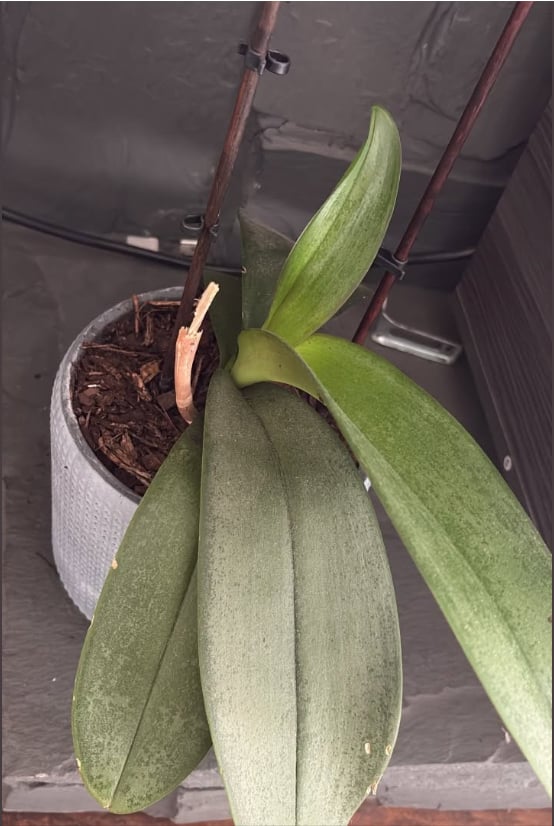
moth orchid (Phalaenopsis)
Why hasn’t my orchid flowered again for a year?
This moth orchid looks healthy enough but likely isn’t getting the right mix of bright light, feeding, and a slight temperature drop that triggers new flower spikes. Improve light, start regular orchid fertilizer, and give it a cooler, brighter spot for a few weeks to encourage blooming.
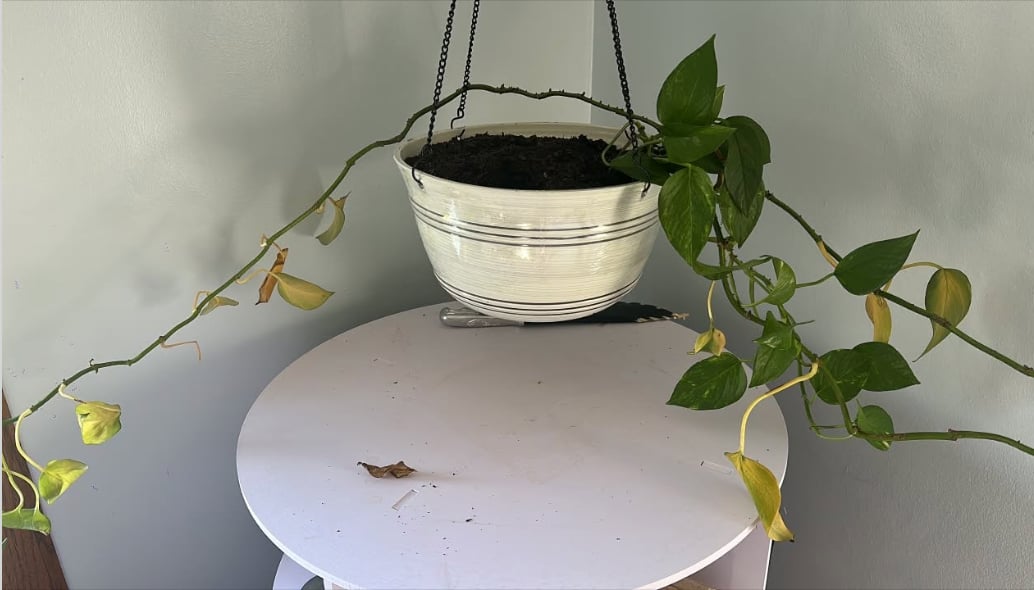
pothos (money plant)
Why are my pothos leaves turning yellow after repotting?
Those yellow leaves are most likely from stress after repotting plus soil that’s staying too wet. Check that the pot drains well, let the soil dry a bit between waterings, and trim off the worst yellow leaves.
How do I know when my plants need watering?
Most plants should be watered when the top layer of soil has dried out, not on a fixed schedule. Check the soil with your finger, lift the pot to feel the weight, and watch the leaves for early signs of thirst like slight drooping or dullness.
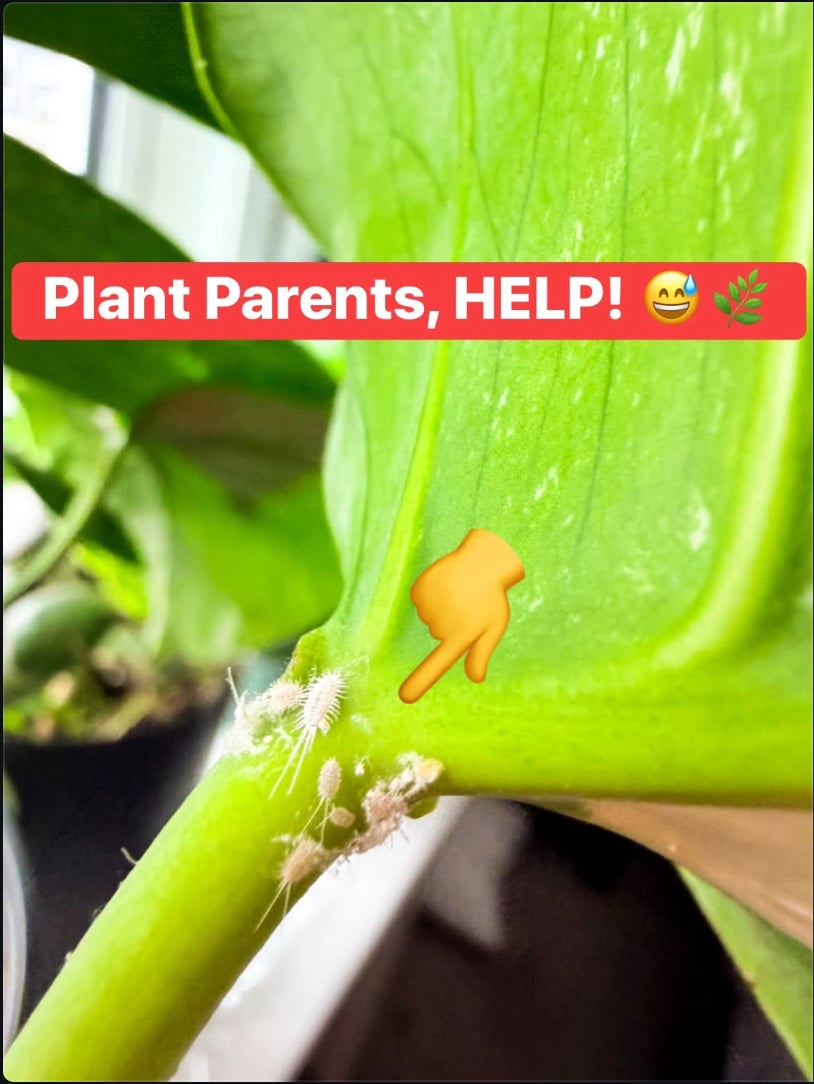
Are these white insects on my plant mealybugs and how do I get rid of them?
Those fluffy white insects in the leaf joint are mealybugs. Isolate the plant, wipe them off with cotton dipped in diluted rubbing alcohol, and repeat weekly, adding insecticidal soap or neem oil if they keep coming back.