
rattlesnake plant (Calathea lancifolia) · Asked on Instagram · 31 October 2026
Why are some leaves on my rattlesnake plant turning yellow?
On a rattlesnake plant, a few yellowing leaves are usually from normal aging plus a bit of stress from inconsistent watering or dry air, not a sudden disease. Remove the worst leaves, check that the soil dries slightly between waterings but never stays soggy, and keep humidity on the higher side.
The question
“I spotted a few little yellow leaves and a big leaf nothing has changed apart from I forgot to water it but it still felt damp when I did water it”
What's likely going on
From the photo, the plant is a rattlesnake plant (Calathea lancifolia). Most leaves look healthy and patterned, with just one larger leaf and a few small ones turning yellow.
What we can see:
- One older leaf is fully yellow and a bit brown at the tip.
- The rest of the plant looks full and green.
Most likely causes:
- Normal leaf aging with a bit of stress. Calatheas regularly drop older leaves. If watering was skipped once or has been a bit uneven (very wet, then quite dry), older leaves are the first to go yellow.
- Moisture / root stress. You mentioned the soil still felt damp when you watered. Constantly damp soil can also stress roots and cause yellowing, again usually starting with a few leaves.
- Dry air or low humidity. Calatheas love humid air. Dry rooms can speed up aging of some leaves, especially older outer ones.
Because only a few leaves are affected and new ones look fine, this doesn’t look like a disease or pest problem.
What to do
- Check the soil properly. Push a finger 2–3 cm deep. Water only when this layer feels just barely dry, not wet.
- Empty saucers after watering. Don’t let the pot sit in water; that leads to root rot and yellow leaves.
- Trim damaged leaves. Cut the fully yellow or crispy leaves off at the base. This won’t harm the plant and keeps it tidy.
- Raise humidity. Group plants together, use a pebble tray with water under (but not touching) the pot, or run a small humidifier nearby.
- Check light. Bright, indirect light is best. Move it out of hot direct sun, which can speed up leaf aging and crisping.
How to prevent it
- Keep a consistent watering routine: slightly moist, never bone-dry and never soggy.
- Use soft water if possible (rainwater, filtered), as hard tap water can slowly stress Calatheas.
- Feed lightly in the growing season (about once a month at half strength) to support new growth.
When to worry
- If many leaves start yellowing at once or the yellowing begins at the center of the plant, check the roots for rot and consider repotting into fresh, well‑draining mix.
- If you see spots, webbing, or sticky residue, inspect closely for pests like spider mites and treat promptly.
With a little adjustment to watering and humidity, a few yellow leaves on a rattlesnake plant are normal and it should keep putting out fresh, patterned foliage.
Answered by the GrowPls assistant. Every plant and room is different; if things don't improve, a clear close-up photo of the affected part is the fastest way to a better answer.
Related questions
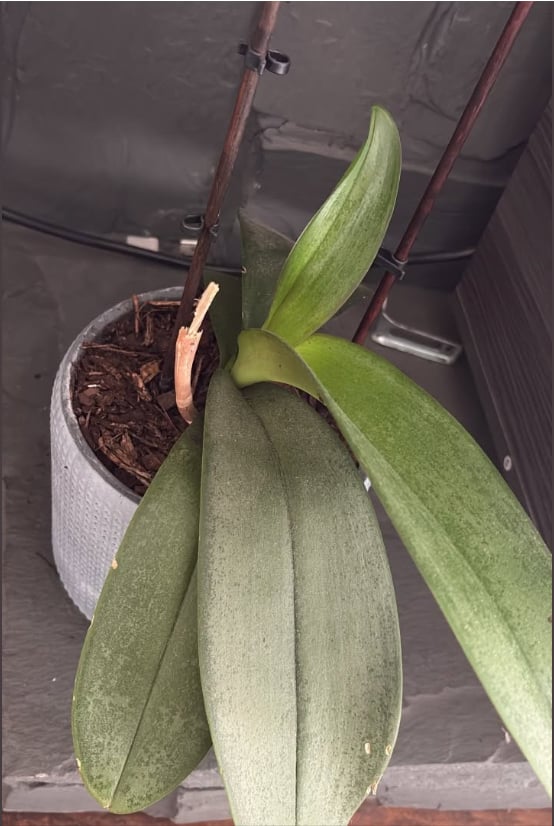
moth orchid (Phalaenopsis)
Why hasn’t my orchid flowered again for a year?
This moth orchid looks healthy enough but likely isn’t getting the right mix of bright light, feeding, and a slight temperature drop that triggers new flower spikes. Improve light, start regular orchid fertilizer, and give it a cooler, brighter spot for a few weeks to encourage blooming.
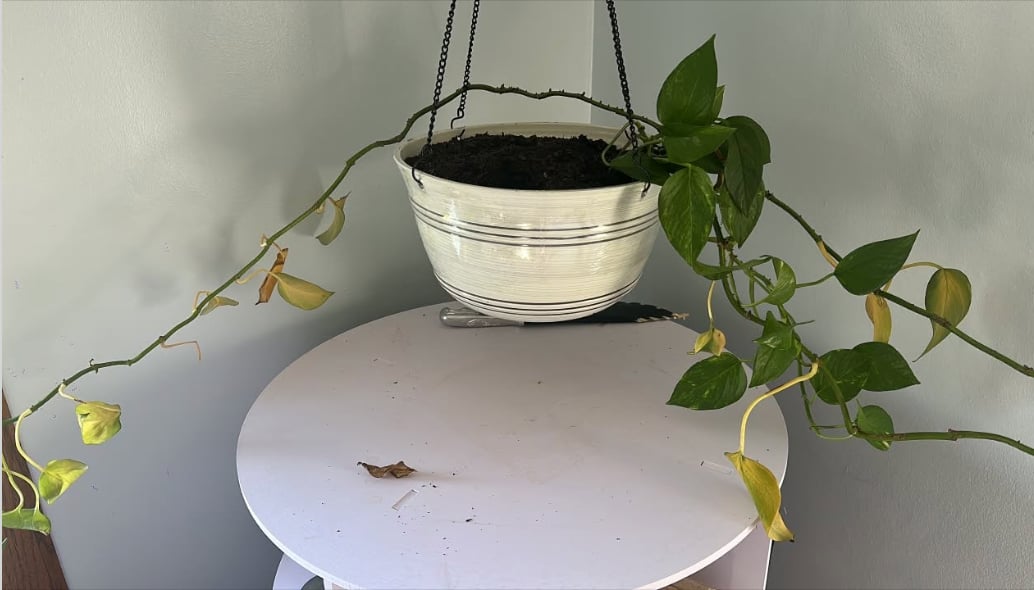
pothos (money plant)
Why are my pothos leaves turning yellow after repotting?
Those yellow leaves are most likely from stress after repotting plus soil that’s staying too wet. Check that the pot drains well, let the soil dry a bit between waterings, and trim off the worst yellow leaves.
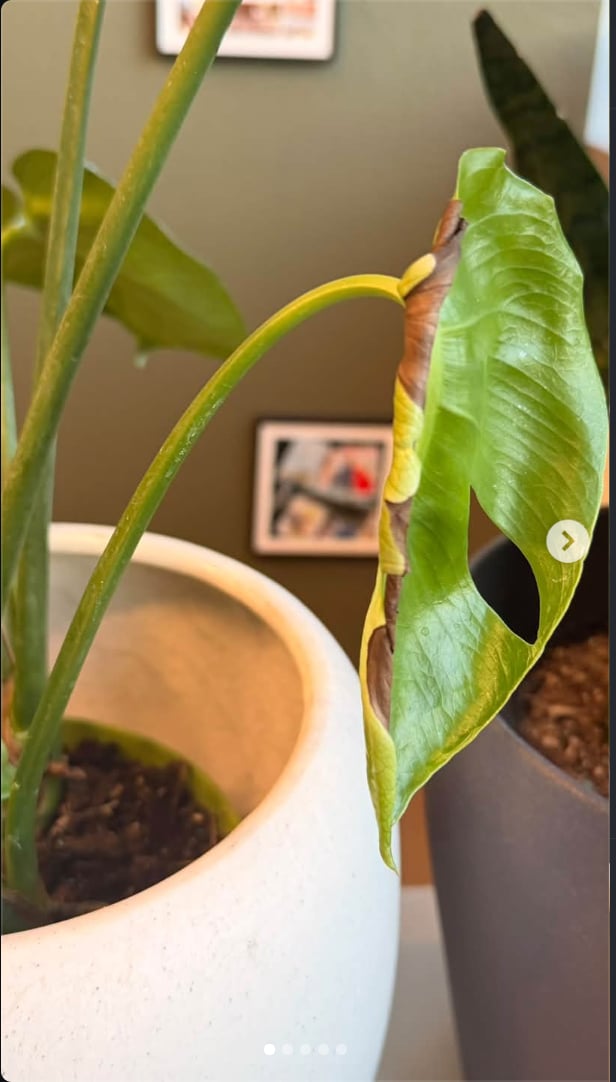
monstera
Why is my Monstera new leaf browning before it fully opens?
That brown edge on the new leaf is usually from stress while the leaf is still tightly rolled – most often low humidity, underwatering, or the leaf getting stuck and damaged. Check watering, light, and humidity, and focus on helping the next leaf grow in better.
How do I know when my plants need watering?
Most plants should be watered when the top layer of soil has dried out, not on a fixed schedule. Check the soil with your finger, lift the pot to feel the weight, and watch the leaves for early signs of thirst like slight drooping or dullness.