
peace lily · Asked on Facebook · 5 November 2026
Why are the leaves on my peace lily turning yellow?
This is a peace lily, and the yellow, droopy lower leaves are usually from watering problems—most often the roots staying too wet in a pot with poor drainage. Check for a drainage hole, let excess water run out, trim the worst leaves, and adjust watering so the top of the soil dries slightly between waterings.
The question
“I have no idea what kind of plant this is. Mother in laws plant, why yellow leaves?!”
What's likely going on
From the photo, the plant is a peace lily (Spathiphyllum). The yellowing is mostly on the older, lower leaves, many of which are also drooping.
That pattern almost always comes from root stress, usually one of these:
- Overwatering / no drainage – Peace lilies hate sitting in soggy soil. A solid decorative pot or a saucer that stays full can keep roots constantly wet, causing yellow, limp leaves starting from the bottom.
- Underwatering (less likely here) – When very dry, peace lilies droop dramatically, but the leaves more often go crispy brown at the tips and edges rather than soft yellow.
- Old leaves aging out – Some yellowing of the very oldest leaves is normal, but here it’s happening on too many leaves at once, so something in the care routine is off.
Without seeing the soil and pot base, overwatering or poor drainage is the most likely cause.
What to do
Check the pot and drainage
Lift the pot. Is there a drainage hole underneath? If it’s inside a decorative outer pot, take it out and empty any standing water.Test the soil moisture
Stick a finger 2–3 cm (about an inch) into the soil. If it feels wet or muddy, wait to water until it’s just barely damp; if it’s bone dry and the whole plant is limp, give it a thorough drink.Adjust watering
Water only when the top layer of soil feels dry. Then water deeply until excess runs out the bottom, and discard the water from the saucer.Trim damaged leaves
Use clean scissors to cut off the worst yellow leaves at the base. This won’t fix the problem but helps the plant focus on healthy growth and makes it easier to see if things improve.Consider repotting if soil is sour or compacted
If the soil smells bad, is very dense, or you see black, mushy roots, repot into fresh, well‑draining potting mix and a pot with a drainage hole.
How to prevent it
- Keep the plant in bright, indirect light (like near a bright window but not harsh midday sun on the leaves).
- Develop a simple routine: water when the top feels dry, never on a strict calendar.
- Use a pot with a drainage hole and empty saucers so roots never sit in water.
- Feed lightly with a balanced houseplant fertilizer 2–3 times during the growing season; peace lilies don’t need much.
When to worry
- If new leaves (not just old ones) start yellowing quickly.
- If you see black, mushy, or foul‑smelling roots when you check the soil—that suggests root rot.
- If the plant stays limp even after correcting watering.
If any of these happen, a prompt repot into fresh soil and a draining pot is the best next step. Otherwise, with corrected watering, new growth should come in green and healthy over the next few weeks.
Answered by the GrowPls assistant. Every plant and room is different; if things don't improve, a clear close-up photo of the affected part is the fastest way to a better answer.
Related questions
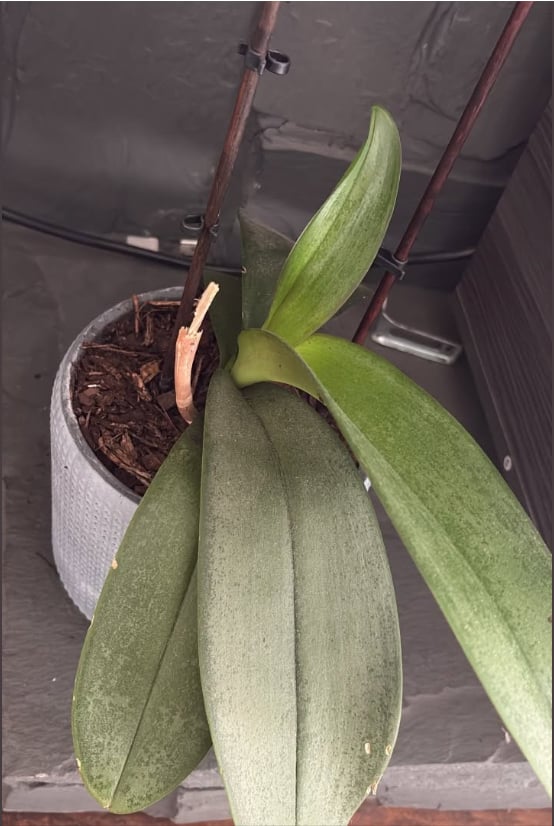
moth orchid (Phalaenopsis)
Why hasn’t my orchid flowered again for a year?
This moth orchid looks healthy enough but likely isn’t getting the right mix of bright light, feeding, and a slight temperature drop that triggers new flower spikes. Improve light, start regular orchid fertilizer, and give it a cooler, brighter spot for a few weeks to encourage blooming.
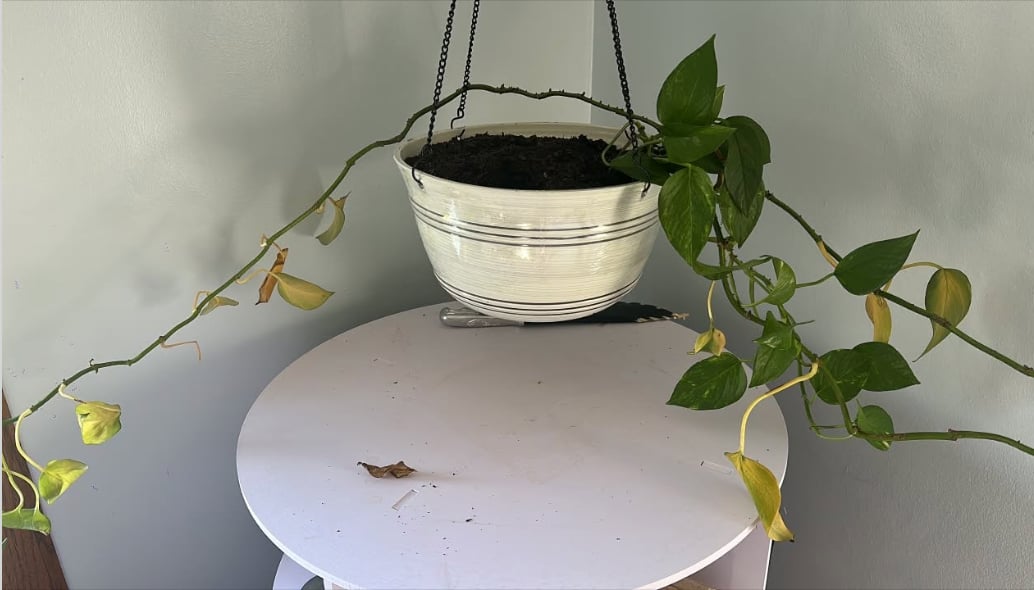
pothos (money plant)
Why are my pothos leaves turning yellow after repotting?
Those yellow leaves are most likely from stress after repotting plus soil that’s staying too wet. Check that the pot drains well, let the soil dry a bit between waterings, and trim off the worst yellow leaves.
How do I know when my plants need watering?
Most plants should be watered when the top layer of soil has dried out, not on a fixed schedule. Check the soil with your finger, lift the pot to feel the weight, and watch the leaves for early signs of thirst like slight drooping or dullness.
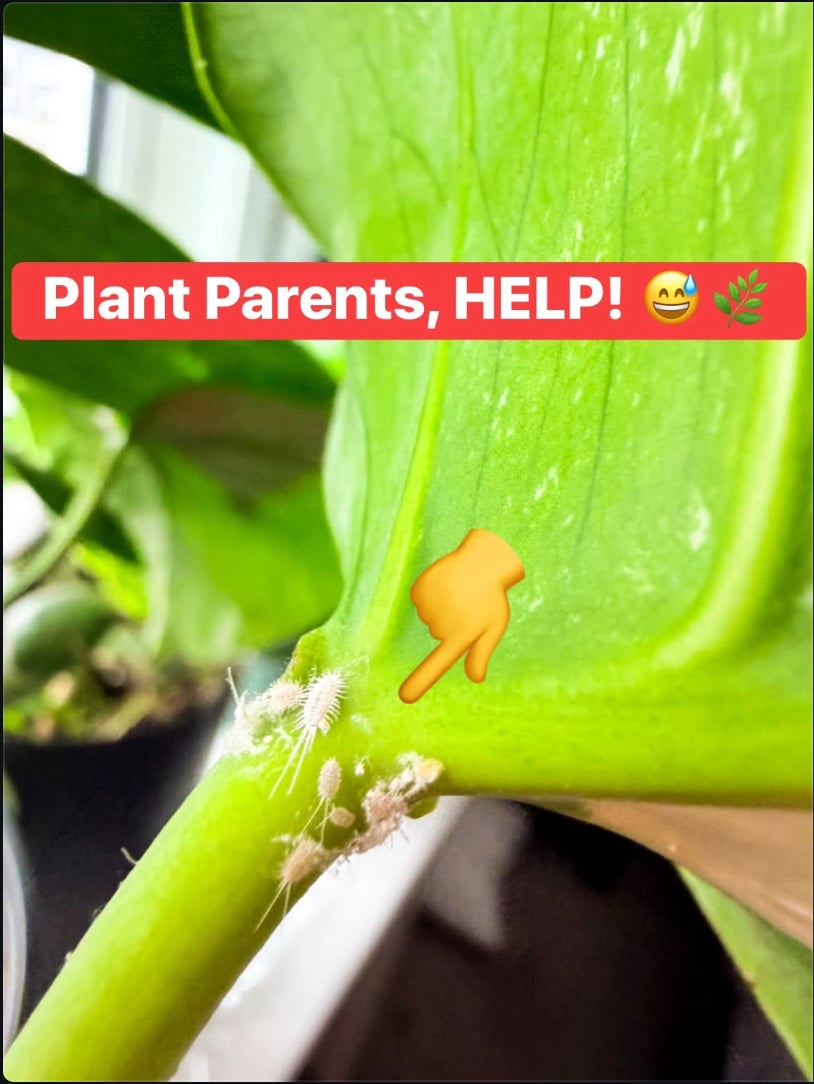
Are these white insects on my plant mealybugs and how do I get rid of them?
Those fluffy white insects in the leaf joint are mealybugs. Isolate the plant, wipe them off with cotton dipped in diluted rubbing alcohol, and repeat weekly, adding insecticidal soap or neem oil if they keep coming back.