
Asked on Facebook · 2 November 2026
Why are the lower leaves of my houseplant turning bright yellow?
The oldest leaves are yellowing from stress, usually from watering issues plus lower light. Check that the pot drains freely, empty any standing water from the saucer, then adjust watering so the top of the soil dries slightly before you water again.
The question
“Can anyone tell me whats wrong with my plant and how to fix it?”
What's likely going on
From the photo, the lower leaves are turning a solid bright yellow, while the newer, upper leaves are still deep green. There are no obvious spots or bite marks, so this doesn’t look like pests or a leaf disease.
That pattern usually means one (or a mix) of:
- Normal aging plus low light: Oldest leaves naturally yellow and drop first, especially if the plant isn’t getting quite enough light to support all of them.
- Over‑watering or poor drainage: If the soil stays wet for days or the pot sits in water on the saucer, roots get starved of air and older leaves turn yellow and limp.
- Under‑watering (less likely here): If the soil becomes very dry and the leaves feel crispy, they can also yellow, but the whole plant usually looks droopy.
Without touching the soil it’s hard to be exact, so checking the pot and soil moisture is the key to telling these apart.
What to do
- Check the soil and roots. Push a finger 2–3 cm into the soil. If it’s soggy or smells sour, it’s staying too wet. If it’s bone dry and pulling from the sides of the pot, it’s too dry.
- Fix drainage. Make sure the pot has holes at the bottom. Empty any water that collects in the saucer after 10–15 minutes. If there’s no drainage, repot into one with holes using a light, chunky mix (potting soil mixed with perlite or bark works well for most foliage plants).
- Adjust watering. Water thoroughly only when the top layer of soil feels dry. For most indoor foliage plants, that means letting the top 2–3 cm dry between waterings rather than keeping it constantly wet.
- Improve the light. Move it closer to a bright window with filtered light, or keep it where it gets bright indirect light for several hours a day. Avoid harsh midday sun right on the leaves.
- Remove spent leaves. Once a leaf is fully yellow, snip it off close to the stem with clean scissors. This won’t fix the problem but tidies the plant and lets it focus on healthy growth.
How to prevent it
- Keep a simple watering routine: check the soil first, then water; don’t go by the calendar alone.
- Use pots with drainage holes and a well‑draining mix so excess water can escape.
- Give steady bright, indirect light; dim corners lead to more leaf drop.
- Feed lightly with a balanced liquid fertilizer at half strength every 4–6 weeks during the growing season if the plant is actively putting out new leaves.
When to worry
- If many leaves yellow at once, including the newer ones.
- If the plant becomes mushy at the base or the soil smells rotten (signs of root rot).
- If you see tiny insects, webbing, or sticky residue on leaves.
In those cases, unpot the plant to inspect the roots, trim any brown/mushy ones, repot into fresh, airy soil, and reduce watering while it recovers.
Answered by the GrowPls assistant. Every plant and room is different; if things don't improve, a clear close-up photo of the affected part is the fastest way to a better answer.
Related questions
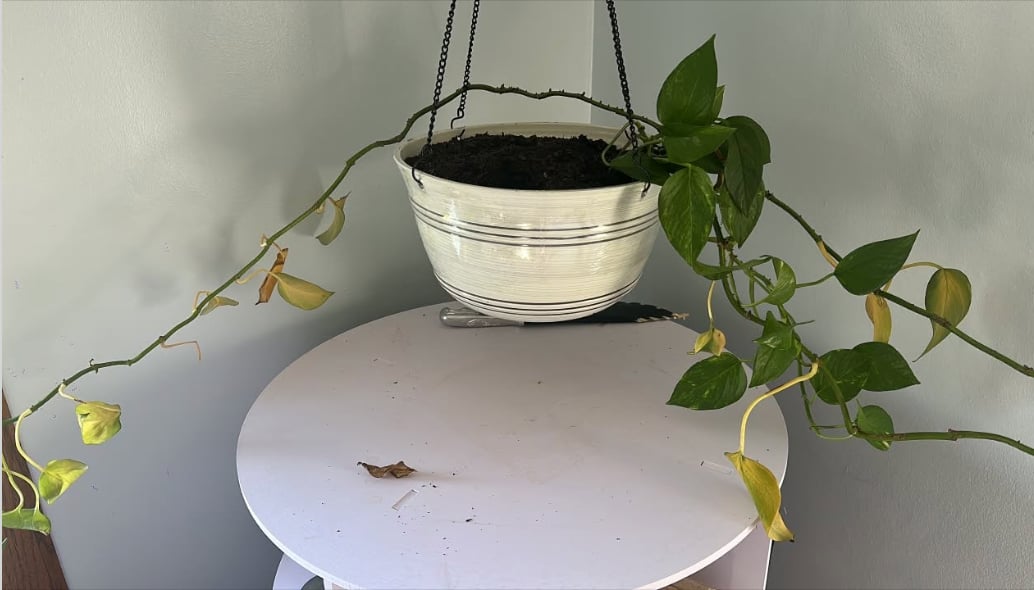
pothos (money plant)
Why are my pothos leaves turning yellow after repotting?
Those yellow leaves are most likely from stress after repotting plus soil that’s staying too wet. Check that the pot drains well, let the soil dry a bit between waterings, and trim off the worst yellow leaves.
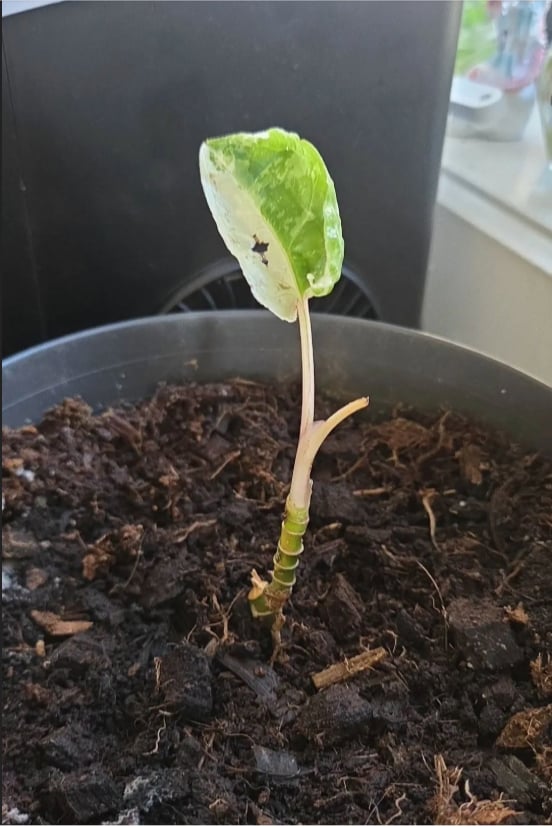
How can I identify this small cutting with only one damaged leaf?
From the photo, the plant is too small and damaged to confidently identify; it looks like a young aroid-type houseplant grown from a stem cutting. Let it grow a few new leaves and nodes, then compare leaf shape and growth habit for a more reliable ID.
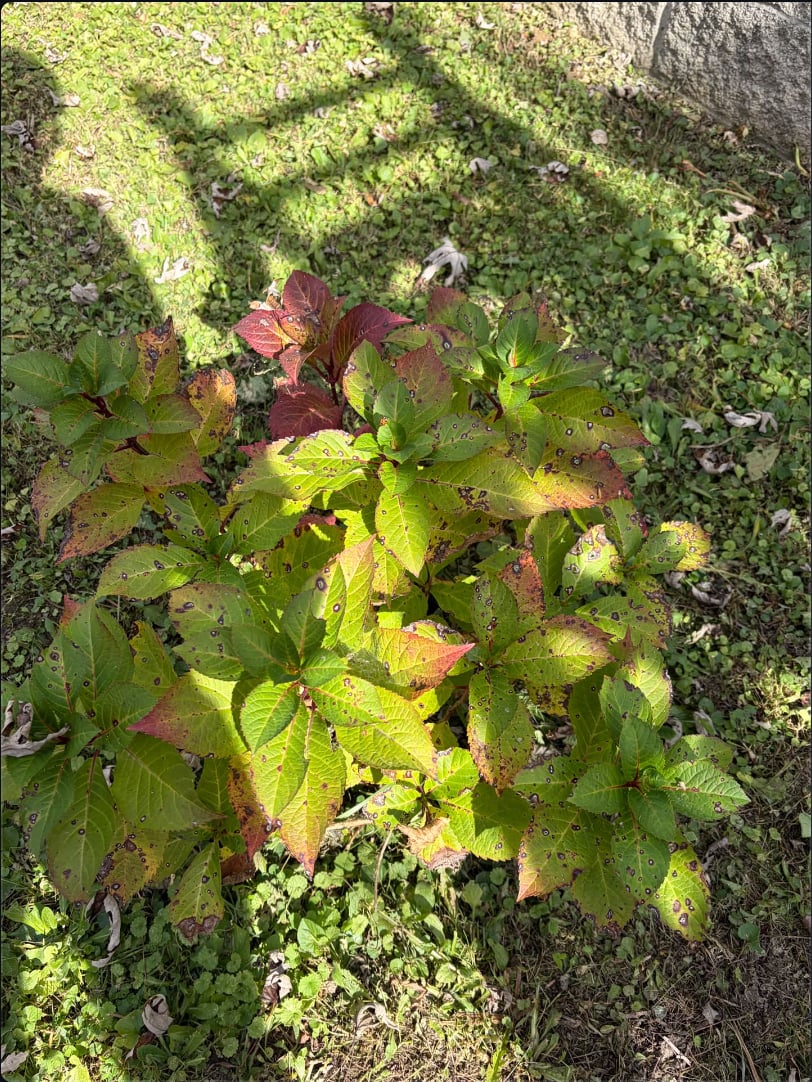
hydrangea
What is causing spots and discoloration on my hydrangea leaves?
The shrub has a leaf‑spot disease, most likely a fungal problem made worse by wet leaves and crowded growth. Remove the worst leaves, clean up fallen ones, and keep the plant drier and better ventilated; it usually clears up without harsh chemicals.
How do I know when my plants need watering?
Most plants should be watered when the top layer of soil has dried out, not on a fixed schedule. Check the soil with your finger, lift the pot to feel the weight, and watch the leaves for early signs of thirst like slight drooping or dullness.