
clivia · Asked on Facebook · 5 November 2026
Why are the lower leaves on my clivia turning yellow?
The oldest leaves at the bottom are yellowing from either normal aging plus a bit of stress, usually from staying too wet on a windowsill. Let the top of the soil dry before watering again, empty the saucer, and remove the fully yellow leaves.
The question
“Why are the leaves yellowing? It’s been on the windowsill?”
What's likely going on
From the photo, the yellowing is on the lowest, outer leaves while the central new leaves look green and firm. That pattern usually means:
- Normal leaf aging, exaggerated by watering habits. Older leaves on clivia naturally yellow and die off over time. If the soil is kept constantly wet, the roots get stressed and aging speeds up. The pot looks quite moist and it’s sitting in a saucer, which can trap extra water.
- Possibly a light or temperature change. A windowsill can be a bit harsh: strong midday sun can scorch, while cold drafts from glass or an air-conditioner can stress the plant. Stress often shows first in the oldest leaves.
It does not look like a disease or pest problem from this photo.
What to do
- Check the soil moisture. Stick a finger a couple of centimeters into the soil. If it still feels wet, wait before watering. Clivia likes to dry slightly between waterings.
- Empty the saucer. After watering, pour off any water that collects in the tray so the roots aren’t sitting in it.
- Adjust light and drafts. Keep it in bright, indirect light. If the windowsill gets very hot sun or is cold at night, move the pot 30–60 cm back from the glass.
- Remove spent leaves. Once a leaf is mostly yellow or brown, cut it off close to the base with clean scissors. This won’t harm the plant and keeps it tidy.
- Check drainage. Make sure the pot has drainage holes and the mix is not heavy garden soil. If it stays soggy for days, consider repotting into a well‑draining houseplant mix.
How to prevent it
- Water thoroughly, then let the top layer of soil dry before watering again.
- Use a free‑draining potting mix and a pot with good holes.
- Keep in bright, indirect light rather than strong midday sun.
- Avoid cold drafts from windows or AC.
When to worry
- If new inner leaves start turning yellow or mushy.
- If you notice a bad smell from the soil, or roots are brown/soft when checked.
- If yellowing spreads rapidly up the plant.
If any of these happen, unpot gently to inspect the roots for rot and trim off any brown, mushy parts, then repot into fresh, drier soil.
Answered by the GrowPls assistant. Every plant and room is different; if things don't improve, a clear close-up photo of the affected part is the fastest way to a better answer.
Related questions
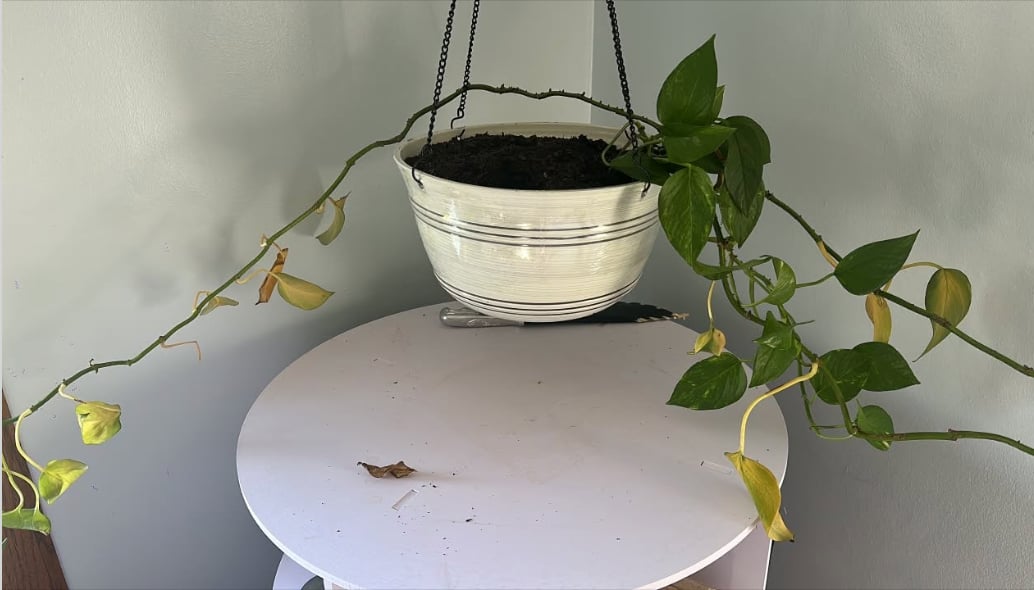
pothos (money plant)
Why are my pothos leaves turning yellow after repotting?
Those yellow leaves are most likely from stress after repotting plus soil that’s staying too wet. Check that the pot drains well, let the soil dry a bit between waterings, and trim off the worst yellow leaves.
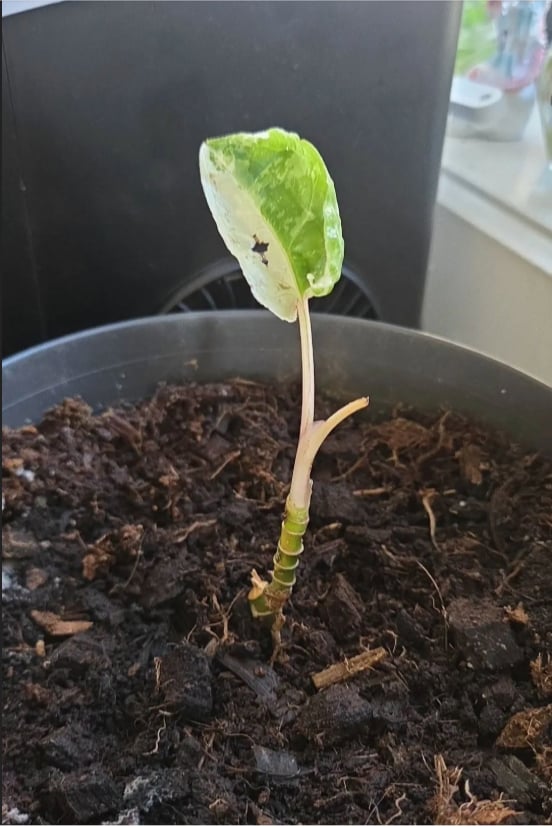
How can I identify this small cutting with only one damaged leaf?
From the photo, the plant is too small and damaged to confidently identify; it looks like a young aroid-type houseplant grown from a stem cutting. Let it grow a few new leaves and nodes, then compare leaf shape and growth habit for a more reliable ID.
How do I know when my plants need watering?
Most plants should be watered when the top layer of soil has dried out, not on a fixed schedule. Check the soil with your finger, lift the pot to feel the weight, and watch the leaves for early signs of thirst like slight drooping or dullness.
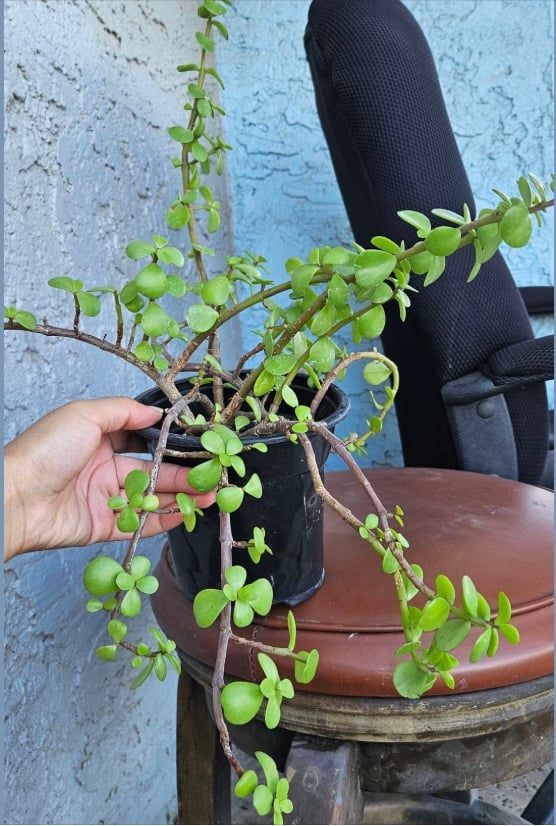
elephant bush
Why is my elephant bush (Portulacaria afra) droopy and losing leaves?
This elephant bush is most likely reacting to a change in light and watering, and it’s probably staying too wet in its current soil. Move it to brighter light, let it dry more between waterings, and consider repotting into a fast‑draining succulent mix.