
Christmas cactus · Asked on Facebook · 2 November 2026
Why are the segment tips on my Christmas cactus cutting turning brown?
The brown, shriveling tips are most likely rot from staying too wet while the cutting is still weakly rooted, sometimes combined with strong sun. Check the roots, cut back to healthy tissue, and re-root the best pieces in a very well‑draining mix, watering only when the top dries.
The question
“Is this from root rot? I had asked another group recently, and I was told I had overwatered and needed to change the soil to a cactus one. People also told me to pluck off the affected bits, but it keeps happening anyway. This was a clipping from my nana's old plant. She passed away a few years ago, so I'm getting pretty nervous about potentially losing this plant. Thank you!”
What's likely going on
From the photo, the end segments of this Christmas cactus (Schlumbergera) are turning brown, translucent, and then shriveling. That pattern usually means stem rot from excess moisture rather than a simple dry‑out.
What can be seen:
- The affected pads are at the tips, not the base.
- They look soft / water‑soaked at first, then dry and crispy.
What this suggests:
- A cutting with small or weak roots is kept a bit too wet, so water sits in the segments and they start to rot from the ends.
- Sometimes strong direct sun on a stressed, overwatered cutting can speed up this damage.
- True root rot would show as black, smelly, mushy roots and the lowest segments collapsing; that isn’t visible in the photo, so it needs checking in the pot.
What to do
Unpot and inspect the roots.
- Healthy roots: firm, white to light tan, no bad smell.
- Rotting roots: black/brown, mushy, slimy, or smell sour.
Trim to healthy tissue.
- With a clean knife or scissors, remove any black, mushy roots.
- Snap or cut off any pads that are soft or brown. Stop where the inside looks firm and green.
Rescue healthy segments as cuttings (if needed).
- If only part of the plant is sound, detach 2–3‑segment pieces.
- Let the cut ends dry and callus 1–2 days in a dry, shaded place.
Repot in a very free‑draining mix.
- Use cactus/succulent mix plus extra coarse sand, pumice, or perlite.
- Choose a small pot with a drainage hole.
- Plant segments just deep enough to stand upright.
Water carefully.
- After repotting, lightly mist or barely moisten once; then wait until the top 2–3 cm of mix are dry before watering again.
- When you water, soak thoroughly, then let all excess drain away.
Give bright, indirect light.
- Place it near a bright window but out of harsh midday sun that can scorch stressed pads.
How to prevent it
- Use a loose, "airy" mix so water runs through quickly.
- Avoid letting the pot sit in a saucer of water.
- Water less often while the plant is rooting; it needs moisture, not constant wetness.
- In warm climates, provide light shade during the hottest hours.
When to worry
- If new, previously healthy segments start turning soft near the base of the plant, or the whole plant becomes limp and collapses, the rot is progressing.
- If, after repotting and careful watering, there is no new growth or the remaining pads keep browning over the next month, take fresh cuttings from any remaining healthy pieces and restart them.
Because this plant is sentimental, it’s worth making several small cuttings now and rooting them in separate pots. That way, even if one fails, another is likely to survive and carry on your nana’s plant.
Answered by the GrowPls assistant. Every plant and room is different; if things don't improve, a clear close-up photo of the affected part is the fastest way to a better answer.
Related questions
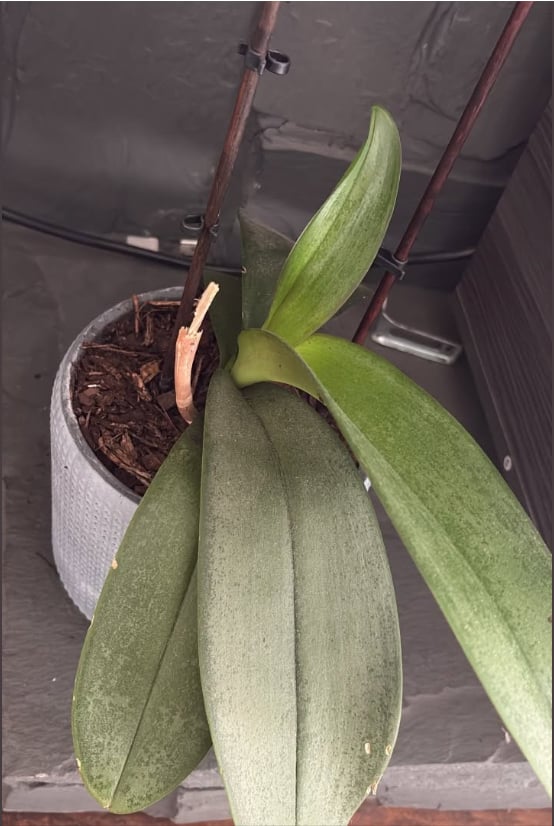
moth orchid (Phalaenopsis)
Why hasn’t my orchid flowered again for a year?
This moth orchid looks healthy enough but likely isn’t getting the right mix of bright light, feeding, and a slight temperature drop that triggers new flower spikes. Improve light, start regular orchid fertilizer, and give it a cooler, brighter spot for a few weeks to encourage blooming.
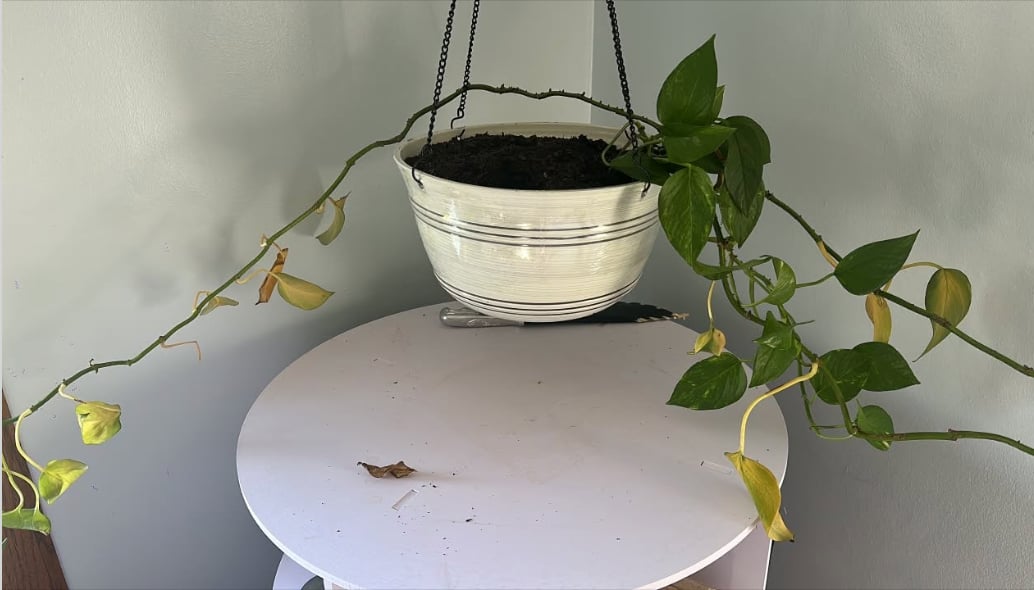
pothos (money plant)
Why are my pothos leaves turning yellow after repotting?
Those yellow leaves are most likely from stress after repotting plus soil that’s staying too wet. Check that the pot drains well, let the soil dry a bit between waterings, and trim off the worst yellow leaves.
How do I know when my plants need watering?
Most plants should be watered when the top layer of soil has dried out, not on a fixed schedule. Check the soil with your finger, lift the pot to feel the weight, and watch the leaves for early signs of thirst like slight drooping or dullness.
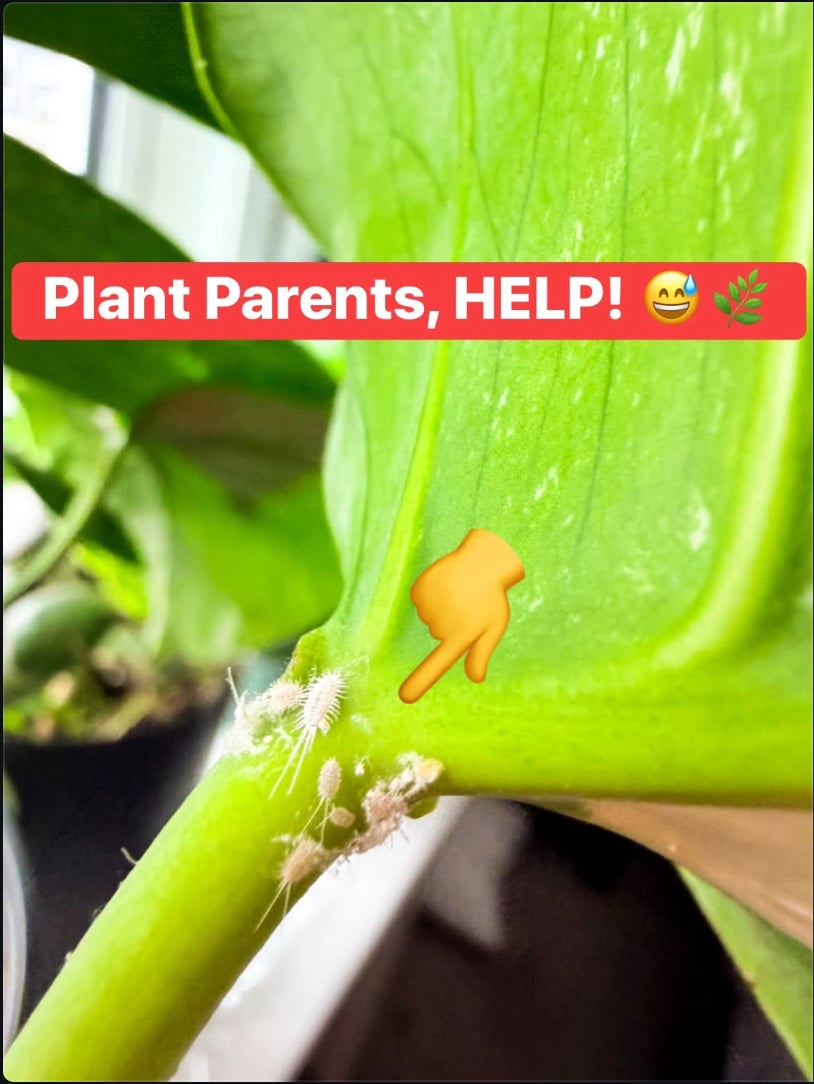
Are these white insects on my plant mealybugs and how do I get rid of them?
Those fluffy white insects in the leaf joint are mealybugs. Isolate the plant, wipe them off with cotton dipped in diluted rubbing alcohol, and repeat weekly, adding insecticidal soap or neem oil if they keep coming back.