
Asked on Facebook · 2 November 2026
How often should I water my plants in winter?
Most plants need much less water in winter—often about half as often as in summer. Check the soil with your finger and only water when the top layer feels dry, instead of following a fixed schedule.
The question
“How often do you all water your plants during winter?”
What's likely going on
In winter, almost all plants slow down. Days are shorter, light is weaker, and growth slows, so they drink less water. If we keep watering like it’s summer, the soil stays wet too long, roots can’t breathe, and root rot (roots rotting in soggy soil) becomes a big risk.
There isn’t one correct schedule for everyone, because it depends on:
- Where the plant lives – indoors vs outdoors, cool balcony vs warm bright room.
- Type of plant – cacti and succulents vs leafy tropical plants vs herbs.
- Pot and soil – fast‑draining soil and clay pots dry quicker than heavy soil and plastic pots.
So instead of a strict “water every X days,” it’s better to learn how to read the soil.
What to do
Use the finger test instead of a calendar
Push a finger 2–3 cm into the soil:- If it feels dry, water thoroughly until a bit drains out the bottom.
- If it feels cool or damp, wait a few more days.
Adjust by plant type
- Cacti & succulents: often every 2–4 weeks in winter, sometimes longer. Let soil go completely dry between waterings.
- Leafy indoor plants (pothos, peace lily, etc.): usually every 10–20 days, depending on light and warmth.
- Herbs/flowering plants in active growth: may still need weekly watering if in bright, warm spots.
Watch the leaves
- Drooping + dry soil: plant is thirsty.
- Yellowing, soft, or mushy stems + wet soil: likely overwatered.
Water less but deeply
When you do water, soak the root zone well, then let excess drain. Avoid frequent tiny sips.
How to prevent it
- Move plants to the brightest spot available; more light = slightly more water use.
- Use pots with drainage holes so extra water can escape.
- In cool rooms, reduce watering even more; cold + wet soil is a bad combination.
- Avoid leaving water sitting in saucers for more than 15–20 minutes.
When to worry
- The soil is staying wet for more than 10–14 days and leaves are yellowing or dropping.
- You notice a sour smell, black/brown mushy roots, or fungus gnats swarming from the soil.
If that happens, unpot the plant, trim rotten roots, repot in fresh, well‑draining mix, and water less often through the rest of winter.
Answered by the GrowPls assistant. Every plant and room is different; if things don't improve, a clear close-up photo of the affected part is the fastest way to a better answer.
Related questions
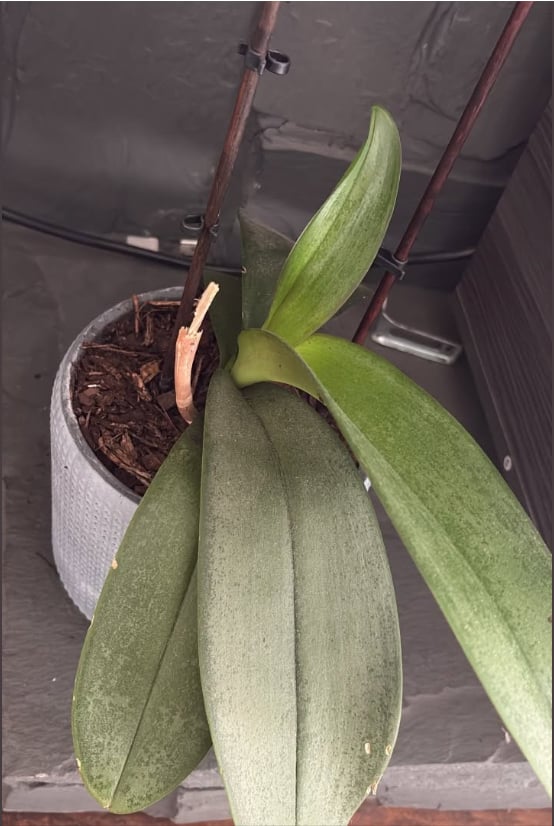
moth orchid (Phalaenopsis)
Why hasn’t my orchid flowered again for a year?
This moth orchid looks healthy enough but likely isn’t getting the right mix of bright light, feeding, and a slight temperature drop that triggers new flower spikes. Improve light, start regular orchid fertilizer, and give it a cooler, brighter spot for a few weeks to encourage blooming.
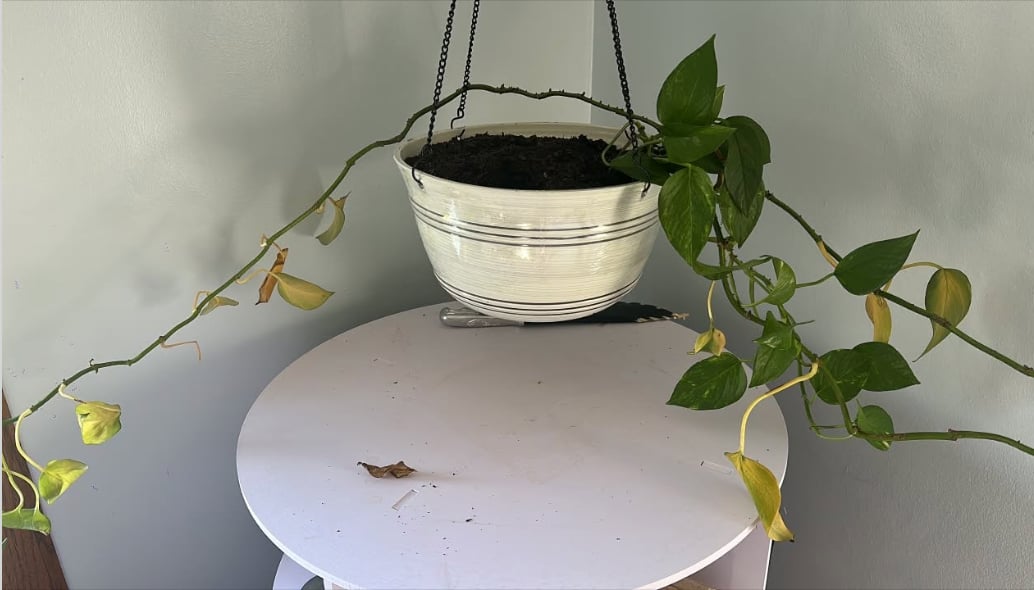
pothos (money plant)
Why are my pothos leaves turning yellow after repotting?
Those yellow leaves are most likely from stress after repotting plus soil that’s staying too wet. Check that the pot drains well, let the soil dry a bit between waterings, and trim off the worst yellow leaves.
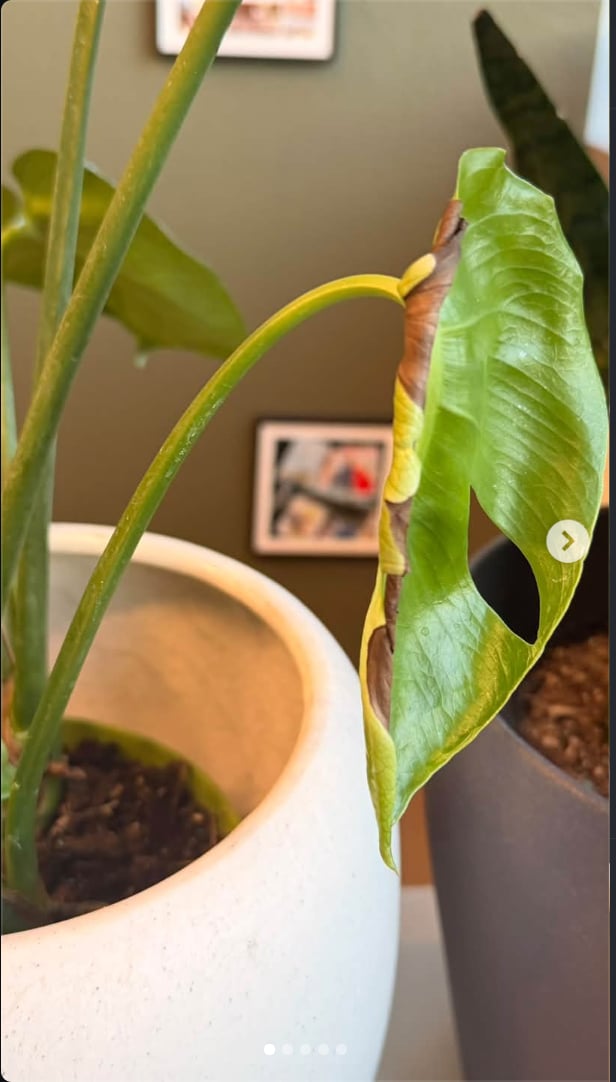
monstera
Why is my Monstera new leaf browning before it fully opens?
That brown edge on the new leaf is usually from stress while the leaf is still tightly rolled – most often low humidity, underwatering, or the leaf getting stuck and damaged. Check watering, light, and humidity, and focus on helping the next leaf grow in better.
How do I know when my plants need watering?
Most plants should be watered when the top layer of soil has dried out, not on a fixed schedule. Check the soil with your finger, lift the pot to feel the weight, and watch the leaves for early signs of thirst like slight drooping or dullness.